
Flowers
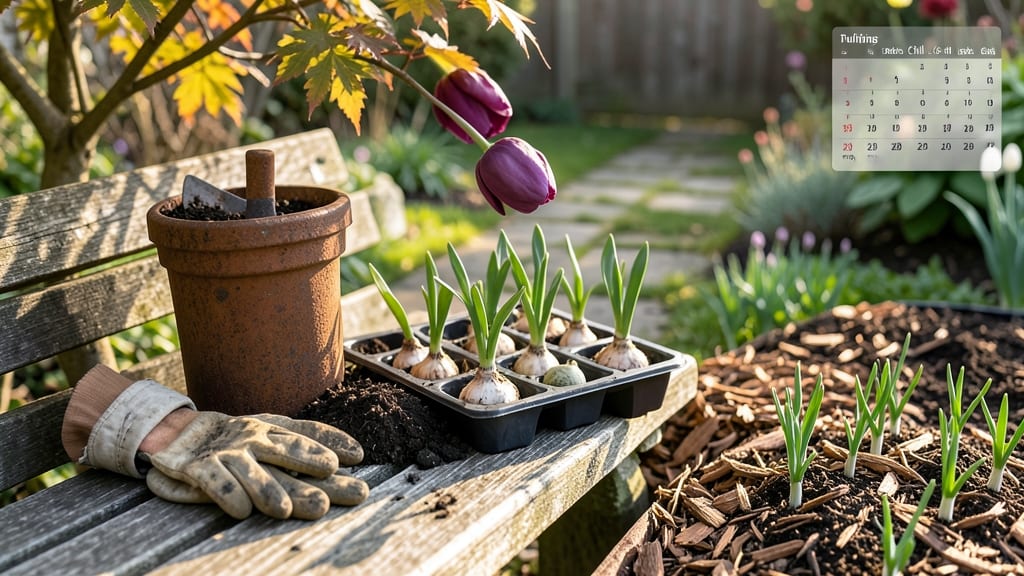
Planting flowers in spring is all about timing—waiting for the last frost to pass and soil to warm up ensures your 🌸 blooms thrive, not just survive.
Timing your spring flower planting can mean the difference between vibrant blooms and wilted disappointment—so knowing your USDA zone is non-negotiable. In Zone 6a, where I garden, that means waiting until after April 15, when the risk of frost has faded and the soil hits 60°F.
But here’s the catch: not all flowers play by the same rules. Annuals like petunias and marigolds are eager to grow, while perennials like daylilies and hostas can wait until early May. Planting too early risks frost damage, while waiting too long might leave you scrambling for summer color.
Below, I break down the exact planting windows by zone, the best flowers for each month, and how to adjust for unpredictable weather—so you can enjoy a garden bursting with color all season long.
USDA zone planting deadlines: when to plant flowers by region
Timing your spring flower planting is like catching a wave—too early and you risk frost damage, too late and you miss peak blooms. Your USDA zone determines the perfect window, as last frost dates vary dramatically from zone 3 (subzero winters) to zone 11 (tropical warmth).
For example, gardeners in zone 5 typically wait until mid-April, while those in zone 9 can start as early as February. Understanding these deadlines ensures your annuals and perennials thrive from the first day.
Cold-hardy flowers like pansies and snapdragons can handle light frosts, while tender varieties such as petunias and geraniums need warmer soil. My rule of thumb? Plant cool-season annuals 4-6 weeks before your last frost, and warm-season flowers 2-3 weeks after.
Soil temperature matters just as much as air temperature—aim for 60°F (15°C) or higher for most flowers to sprout reliably.
Here’s the critical timeline by zone: Use this as your gardening GPS to avoid common mistakes like planting marigolds too soon in cold zones or impatiens too late in hot climates. Each zone’s deadline is tied to its average last frost date, but always check your local National Weather Service for real-time updates.
| USDA Zone | Last Frost Date | Ideal Planting Window | Cold-Hardy Annuals | Tender Perennials |
|---|---|---|---|---|
| Zones 3-4 | Late May | Early April - Mid-May | Pansies, Sweet Alyssum, Violas | Peonies (after frost) |
| Zones 5-6 | Mid-April | Mid-March - Early May | Snapdragons, Calendula, Stock | Coneflowers, Black-Eyed Susans |
| Zones 7-8 | Early March | February - Early April | Petunias, Marigolds, Zinnias | Lavender, Salvia, Russian Sage |
| Zones 9-10 | Mid-January | January - March | Geraniums, Impatiens, Begonias | Bougainvillea, Hibiscus, Plumbago |
| Zone 11 | None (tropical) | Year-round (succession plant) | Vinca, Portulaca, Celosia | Bird of Paradise, Orchids, Hibiscus |
In zones 3-4, where winters are harsh, focus on cool-season flowers like pansies and sweet alyssum—they’ll bloom even in 40°F (4°C) temperatures. My trick? Start seeds indoors in March for a head start.
For zones 5-6, you’ve got a longer window, so don’t rush—wait until the soil warms to 55°F (13°C) before planting zinnias or cosmos, which love heat but hate cold feet.
Southern gardeners in zones 7-10 can plant warm-season annuals like petunias and geraniums as early as January, but beware of heat stress if you’re in zone 10. I’ve learned the hard way—planting impatiens too early in zone 9 leads to leggy, sad plants.
Instead, wait until March when nights stay above 50°F (10°C). For zone 11, think outside the box: succession planting every 6-8 weeks keeps your garden bursting with color year-round.
Pro tip: Use row covers or cold frames to extend your planting season in cooler zones. I’ve successfully planted marigolds in zone 6 by mid-April using a simple floating row cover—it adds 2-3°F (1-2°C) of warmth, making all the difference.
For tender perennials like lavender, wait until after the last frost, even if it means starting with container-grown plants from nurseries.
Watch for microclimates in your garden—south-facing beds warm up faster than north-facing ones. If you’re in zone 7 but have a microclimate that stays frost-free, you might plant petunias by February there.
Always test your soil temperature with a soil thermometer—it’s the most reliable way to know when it’s safe to plant. My soil thermometer saved my geraniums last spring
Best spring flowers to plant by month for your zone
Spring is the perfect time to transform your garden into a vibrant canvas, but not all flowers are ready to bloom at the same time.
In my Zone 6a garden, I’ve learned that planting pansies in March gives them a head start, while waiting until May for petunias ensures they thrive in warmer soil. The key? Matching each flower’s hardiness to your local frost dates and soil temperatures.
For gardeners in Zones 5-9, the timing shifts slightly—earlier zones can start as soon as soil is workable, while warmer zones may wait until after April 15 to avoid heat stress.
Below, I’ve broken down the best flowers to plant each month, tailored to your zone, so you can enjoy continuous color from early spring through summer.
🌱 Numbered Highlights: Best Spring Flowers by Month for Zones 5-9
- March: Pansies (Zones 5-9), Tulips (bulbs in cold zones), Sweet Alyssum (cool-tolerant annual). Plant 4-6 weeks before last frost for early blooms.
- April: Daffodils (bulbs), Sweet Peas, Calendula. Wait until soil reaches 50°F (10°C)—ideal for Zones 5-7.
- May: Petunias, Marigolds, Zinnias (heat-loving annuals). Plant after May 15 in Zones 8-9 to avoid wilting.
- June (Succession Planting): Cosmos, Sunflowers, Nasturtiums. Sow every 2-3 weeks for continuous blooms through fall.
Pro Tip: Use succession planting for annuals like marigolds—sow new seeds every 4 weeks to extend your blooming season.
In Zone 5, I always start with hardy annuals like pansies in March, even if the ground is still cold. These cool-season flowers can handle light frosts and often rebloom in fall.
For Zones 8-9, where winters are mild, I delay planting until April 15 to avoid fungal diseases that thrive in warm, damp soil.
One of my favorite tricks is layering flowers by height and bloom time. For example, plant tall sunflowers in June behind low-growing alyssum from March. This creates a natural progression of color and texture, ensuring your garden never looks bare.
Succession planting is another game-changer—I sow zinnias every 3 weeks in May and June to keep the blooms coming until frost.
Don’t forget about perennials, which often need to be planted in early spring or fall. In my garden, daylilies and coneflowers go in April, giving their roots time to establish before summer heat.
For bulbs like tulips, plant them in October or November for next year’s spring show—but if you’re in a warmer zone (like Zone 9), wait until February to avoid premature sprouting.
If you’re new to spring planting, start with easy-care annuals like marigolds or snapdragons, which forgive minor timing mistakes. For a foolproof garden, mark your calendar for the last frost date in your zone (check the USDA Plant Hardiness Zone Map) and add 4-6 weeks for cool-season flowers.
With this approach, you’ll have blooms from March through October—no wilted disappointment here! 🌸