
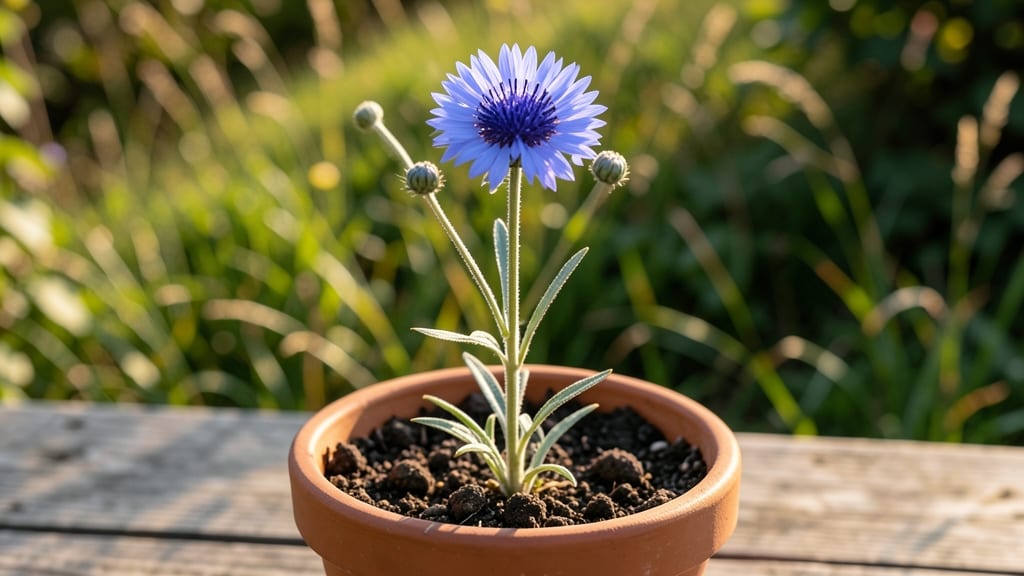
How Tall Do Cornflowers Grow: Variety-Specific Heights Revealed

Flowers

How Tall Do Cornflowers Grow: Variety-Specific Heights Revealed

How tall do cornflowers grow? They reach heights between 8 inches and 3 feet, depending on the variety you choose—so whether you’re dreaming of a cottage garden or a cutting garden, there’s a perfect fit.

Wondering how tall your cornflowers will reach before they burst into vibrant blue blooms? The height of these cheerful annuals can vary dramatically—from delicate dwarf varieties to towering giants—depending on the specific type you plant.

Dwarf varieties like 'Centauro' stay compact at just 8-12 inches, making them ideal for borders or container gardens, while standard types such as 'Black Ball' can stretch up to 3 feet, perfect for adding vertical interest to flower beds.

In this guide, you’ll discover how sunlight, soil, and spacing influence height, plus the best varieties for your garden’s needs—whether you want a low-growing display or a dramatic backdrop for taller plants.

Dwarf
8-12 in
Container friendly
Semi-Dwarf
1-2 ft
Most popular
Standard
2-3 ft
Full orchard size

Cornflower height by variety: dwarf to giant types explained

When planning your garden, knowing cornflower height by variety is key to creating stunning visual impact. These cheerful blooms range from compact dwarf types perfect for containers to towering giants that anchor borders. The right variety can transform your space—whether you need low-growing accents or dramatic vertical statements.

Cornflowers (Centaurea cyanus) thrive in USDA zones 3-10, and their mature height depends entirely on the cultivar. Some varieties stay under a foot tall, while others reach nearly three feet. Understanding these differences helps you maximize bloom potential while preventing overcrowding in your flower beds.

Factors that affect cornflower height (and how to maximize it)

Cornflowers (Centaurea cyanus) are famously adaptable, but their height potential depends heavily on growing conditions. While some varieties naturally stay compact, others can reach impressive heights with the right care. Understanding these factors helps you maximize vertical growth or control stature in tight spaces.

Sunlight is the most critical factor—cornflowers need at least 6 hours of full sun daily to reach their full height. In shadier conditions, expect stunted growth and fewer blooms. Even well-adapted varieties like Telephone Pole will struggle without adequate light, often growing 2-3 feet shorter than expected.

Key Factors That Influence Cornflower Height
  1. 🌞 Sunlight: 6+ hours daily = full height; less than 4 hours = stunted growth (1-2 ft max)
  2. 🌱 Soil pH: 6.0-7.5 = optimal growth; below 5.5 = weak stems (height loss up to 30%)
  3. 💧 Watering: Deep weekly watering = strong stems; surface watering = leggy, weak growth
  4. ✂️ Pruning: Pinch back early = bushier, shorter plants; no pruning = taller but fewer blooms
  5. 🌡️ Temperature: 60-75°F = ideal growth; above 85°F = slowed growth and height reduction

Soil pH plays a surprising role in stem strength. Cornflowers thrive in slightly acidic to neutral soil (pH 6.0-7.5). If your soil is too acidic (<5.5), plants may grow up to 30% shorter due to nutrient deficiencies, particularly calcium, which strengthens cell walls.

Test your soil and amend with lime if needed to encourage taller growth.

Watering techniques also impact height. Deep, consistent watering at the soil base encourages strong root development, which supports taller stems. Avoid overhead watering, which can weaken stems and lead to fungal issues that stunt growth.

For varieties like Black Ball, proper hydration helps them reach their 2-3 foot potential instead of staying under 18 inches.

Pruning strategies can dramatically alter height. If you want shorter, bushier cornflowers, pinch back the main stems when they're 6-8 inches tall. This encourages lateral branching and reduces overall height by 20-30%.

For taller varieties like Telephone Pole, minimal pruning lets them grow 3-4 feet tall, perfect for cut flower arrangements.

Finally, temperature matters—cornflowers grow best in moderate climates (60-75°F). In hotter regions, growth slows, and plants may stay shorter. Provide light shade during peak afternoon heat to prevent stress. With these factors optimized, even dwarf varieties like Centauro can grow 10-15% taller than expected.

★★★★★4.7(7 reviews)
Categories Flowers
Variety Height Range Spacing Best For
'Centauro' (Dwarf) 8–12 inches 6–8 inches apart Containers, window boxes
'Black Ball' 12–18 inches 10–12 inches apart Cut flowers, borders
'Telephone Pole' 30–36 inches 12–18 inches apart Backdrop planting
'Blue Boy' 24–30 inches 12–15 inches apart Cut arrangements
'Carmen' 18–24 inches 10–12 inches apart Pollinator gardens
'Heirloom Blue' 20–28 inches 12–16 inches apart Wildflower meadows
'Ruby Wedding' 18–24 inches 12 inches apart Wedding bouquets
'White Swan' 24–30 inches 12–15 inches apart Contrast planting
'Blue Bouquet' 15–20 inches 8–10 inches apart Mass plantings
'Purple Haze' 28–32 inches 18 inches apart Tall borders
'Red Beauty' 20–26 inches 12–14 inches apart Color accents