
Planting
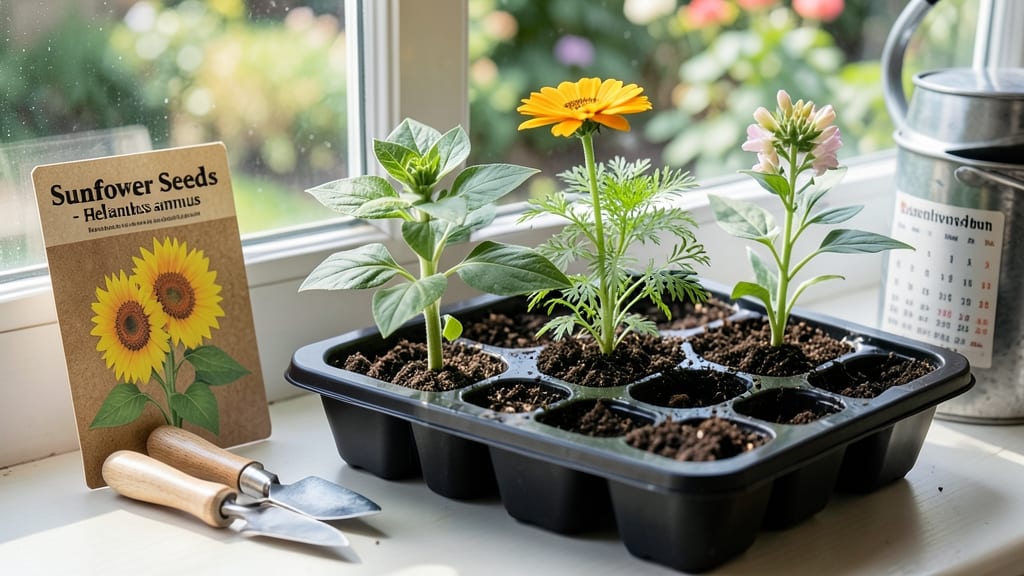
Planting cut flower seeds at the right time ensures stunning, long-lasting blooms that turn your garden into a bouquet factory—straight from soil to vase.
Timing your cut flower seeds perfectly can mean the difference between wilted stems and a breathtaking bouquet—straight from your garden to the vase. But with microclimates shifting planting windows by weeks, how do you know when to start?
Most cut flowers thrive when planted after the last frost, once soil temperatures hit a steady 60°F. However, cool-season varieties like snapdragons can handle early sowing, while heat-lovers like zinnias need warmer ground. The key is matching your region’s frost dates to your flower’s needs.
In this guide, I’ll break down the exact months for your USDA zone, microclimate tweaks for urban heat islands or shaded spots, and whether to start seeds indoors or direct-sow for maximum stem length. Ready to turn your garden into a cut flower powerhouse?
Optimal cut flower seed planting months by USDA Hardiness zones
Timing your cut flower seeds is like choreographing a dance between soil warmth and frost risk. Plant too early, and tender seedlings get nipped by late frosts—plant too late, and you miss the peak bloom window.
Your USDA Hardiness Zone is your first clue, but local frost-free dates and soil temperature matter just as much. For example, Zones 1-4 often wait until May for warm-season flowers, while Zones 8-10 can start as early as February.
Cool-season cut flowers like snapdragons and calendulas tolerate light frosts, so you can sow them 4-6 weeks before your last frost date. Warm-season stars like zinnias and sunflowers, however, need soil temperatures above 60°F to germinate reliably. Use a soil thermometer to check—it’s your secret weapon for success.
Here’s the game-changer: succession planting. By staggering sowings every 2-3 weeks, you’ll enjoy continuous bouquets from June through October. For instance, plant cosmos seeds in April, May, and June in Zone 6 to keep stems coming all season.
The key? Track your frost-free days and adjust based on your local climate.
| Flower Variety | USDA Zones | Planting Window | Succession Planting Tip | Notes |
|---|---|---|---|---|
| Zinnias | 3-11 | After last frost (soil 60°F+) | Sow every 2 weeks until July | Deadhead for continuous blooms |
| Sunflowers | 2-11 | April-June (Zone 2-5) / March-May (Zone 6-11) | Plant tall varieties first, dwarfs later | Stake tall varieties for vase life |
| Dahlias | 7-11 | Start indoors 8-10 weeks before last frost | Transplant after soil warms to 65°F | Pinch back young plants |
| Cosmos | 3-11 | April-July (direct sow) | Sow every 3 weeks for late blooms | Drought-tolerant once established |
| Snapdragons | 2-11 | 4-6 weeks before last frost (cool season) | Sow again in late summer for fall blooms | Bolt-resistant varieties available |
| Calendulas | 3-11 | March-April or August-September | Self-seeds prolifically | Edible petals for garnishes |
| Delphiniums | 3-9 | Start indoors 10-12 weeks before last frost | Stake heavily for tall stems | Cut back after first flush |
Let’s talk frost-free dates, because they’re the backbone of your planting schedule. Use the National Weather Service’s frost calendar or local cooperative extension service to pinpoint your average last frost date. For example, in Zone
Microclimate adjustments: how to shift planting times for sunny patches, shade, OR urban heat islands
Your garden’s microclimate can shift planting times by 2-4 weeks, turning a failed harvest into a lush bouquet. Urban heat islands bake soil faster, while shaded corners stay cool longer—both demand adjustments to your cut flower seed schedule.
I’ve grown zinnias in both extremes and learned these tricks to sync planting with local conditions.
Start by observing your garden’s sun exposure patterns. A south-facing patch may hit 90°F soil temps by May, while a north side stays cool until June.
For cut flowers like sunflowers or cosmos, this means delaying seeds by 2 weeks in hot spots or advancing them in shaded areas by the same margin.
- 🌡️ Soil temperature: Wait until soil reaches 60°F+ for warm-season flowers (e.g., zinnias, marigolds). Use a soil thermometer—my urban beds hit 75°F by late April!
- ☀️ Sun intensity: Full-sun spots dry out faster; water deeply before sowing to prevent seed desiccation. Shade-tolerant snapdragons can handle partial shade.
- 🌬️ Wind exposure: Windy areas cool faster at night—extend your last frost date by 10 days. Use windbreaks (like cornstalks) to protect young seedlings.
- 🏙️ Urban heat islands: Pavement radiates heat; delay heat-sensitive dahlias by 3 weeks. Plant in raised beds with black plastic mulch to warm soil faster.
- 🌧️ Rainfall patterns: Shaded areas stay damp longer—opt for drought-tolerant flowers like larkspur or stagger plantings to avoid fungal risks.
For urban heat islands, I swear by row covers to cool soil. Lay them over beds 2–3 days before planting to drop temps by 10–15°F.
In my Zone 7 city garden, this lets me plant sunflowers in mid-April instead of waiting for May. Pair this with drip irrigation to avoid stressing seedlings.
Shaded microclimates? Advance your schedule by 2 weeks for cool-loving flowers like delphiniums. Test soil moisture—if it’s still cold and damp in May, wait. My north-side beds stay cool until early June, so I start cosmos seeds indoors in late March to transplant by Memorial Day.
Pro tip: Use shade cloth over hot patches to mimic cooler conditions. A 30% shade cloth can drop temps by 5–10°F, letting you plant zinnias in late April instead of June. Monitor your garden’s microclimate zones for a month to fine-tune timing.
Remember, succession planting is your secret weapon. In hot zones, sow half your seeds early (with row covers) and the rest 2 weeks later. This spreads blooms and insures against heat waves. My sunflower patch now yields 30% more stems by staggering plantings!