
How To
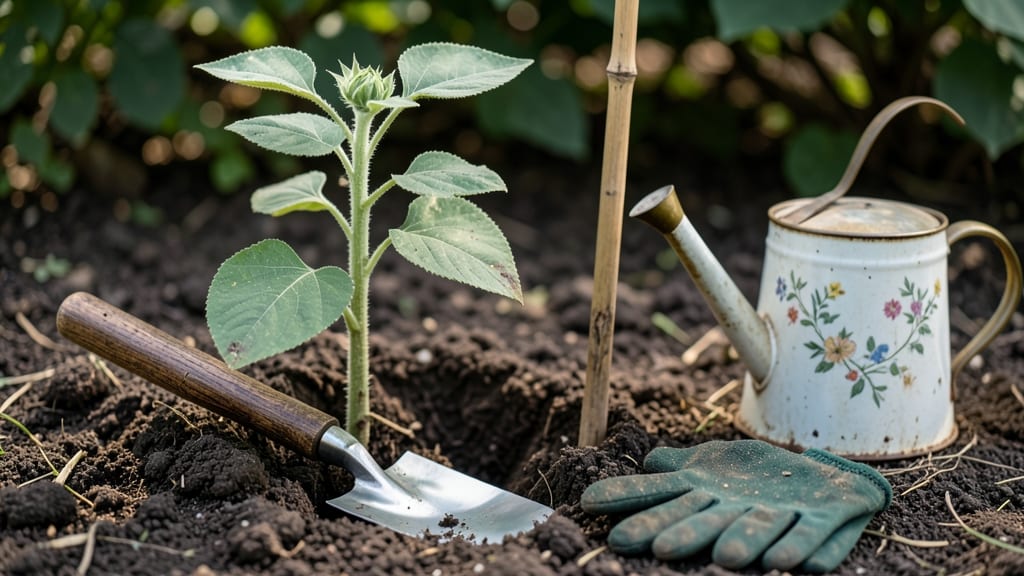
Planting a sunflower seedling the right way means strong stems and vibrant blooms—not flopping stems or stunted growth. 🌻
Picture this: You’ve nurtured your seedlings indoors, only to transplant them and watch them lean or wilt within days. It’s frustrating, but the fix is simpler than you think—it all comes down to depth, spacing, and a few pro tips most guides skip.
Sunflowers are tough, but they need a solid start. Too deep, and they’ll struggle to break through; too shallow, and they’ll topple. In USDA Zone 6a, timing matters too—mid-April to early June is your window to avoid frost damage and give them room to thrive.
Below, I’ll walk you through the exact spacing, depth, and care tricks that turn weak seedlings into towering, sun-soaked giants. No guesswork, just results.


Optimal sunflower seedling depth and spacing for maximum growth
Sunflowers grow best when planted at the right depth and spacing, which directly impacts stem strength and flower production. Too shallow, and roots struggle; too deep, and seedlings may rot.
Similarly, overcrowding weakens plants by competing for nutrients and sunlight. Let’s dive into the science-backed guidelines to ensure your sunflowers reach their full potential.
For most sunflower varieties, the ideal planting depth is 1 to 2 inches below soil level.
This depth provides enough stability for the seedling to establish roots while allowing the stem to emerge without obstruction. Giant varieties (like 'Mammoth' or 'Russian Giant') benefit slightly more from the deeper end of this range, while dwarf varieties (like 'Teddy Bear' or 'Sunspot') can thrive at the shallower end.
Spacing is equally critical. Plant seedlings 12 to 24 inches apart in rows spaced 2 to 3 feet apart.
This spacing prevents overcrowding, reduces disease risk, and allows each plant to access adequate sunlight and nutrients. Dwarf varieties can handle the closer end of this range (12 inches), while tall varieties need the full 24 inches to avoid competition.
Here’s a quick reference table to guide your planting:
When planting, use your finger or a small trowel to create holes at the correct depth. Gently place the seedling in the hole, ensuring the soil line on the stem matches the soil level outside the hole.
This prevents buried stems, which can rot and weaken the plant. After planting, firm the soil lightly around the base to eliminate air pockets.
Overcrowding is a common mistake that leads to weak stems and pale flowers. If you’re growing multiple rows, maintain the 2-3 foot row spacing to allow airflow and reduce humidity around the foliage.
This spacing also makes it easier to monitor plants for pests or diseases early on. For container gardening, use at least one 5-gallon pot per plant to avoid root competition.
Adjust your spacing if you’re growing sunflowers for cut flowers or seed production. For cut flowers, tighter spacing (12-18 inches) can work, but you’ll need to harvest stems earlier to avoid overcrowding.
For seed production, give plants the full 24 inches to ensure robust flower heads and seed development. Always prioritize airflow to prevent fungal diseases like powdery mildew.
One final tip: If you’re planting in poor soil, consider adding compost or well-rotted manure to the planting hole. This boosts nutrient availability and helps seedlings establish faster.
Water thoroughly after planting, but avoid overwatering, which can lead to root rot. Aim for 1 inch of water per week, adjusting for rainfall in your area.
With the right depth and spacing, your sunflowers will grow strong, tall, and vibrant—turning your garden into a stunning display of golden blooms. Happy planting! 🌻
Step-by-step guide to transplanting sunflower seedlings without shock
Transplanting sunflower seedlings can be tricky—they’re delicate but resilient, and the wrong technique can cause transplant shock or weak stems. The key is gradual preparation and careful handling to ensure your seedlings thrive in their new home.
Start by choosing a cloudy day or late afternoon to minimize stress from direct sunlight and heat.
Before you begin, gather your tools: a small trowel, garden gloves, a watering can with a gentle spray nozzle, and a stake or support for taller varieties.
Sunflowers need space to grow, so plan your garden layout with 12-24 inches between plants and 2-3 feet between rows to prevent overcrowding and competition for nutrients.
- Hardening Off (7-10 days before transplanting): Move seedlings outdoors for 2-3 hours daily, gradually increasing time. Start with shade and slowly introduce direct sunlight to toughen them up.
- Prepare the Soil: Loosen soil to 12 inches deep and mix in compost or aged manure for nutrients. Sunflowers prefer well-draining soil with a pH of 6.0-7.5.
- Dig Holes: Dig holes twice as wide as the seedling’s root ball and 1-2 inches deeper than the container. This encourages roots to spread outward.
- Remove Seedlings: Gently squeeze the container sides to loosen roots, then lift the seedling by its base, not the stem. Avoid damaging the root ball.
- Plant Carefully: Place the seedling in the hole, ensuring the soil line matches the container line. Fill with soil, pressing lightly to remove air pockets.
- Water Thoroughly: Use 1-2 gallons of water per plant to settle the soil and hydrate roots. Water at the base, not the leaves, to prevent disease.
- Add Support: For varieties over 5 feet tall, insert a stake or use a trellis to prevent leaning or breaking in wind.
After transplanting, monitor your sunflowers for signs of stress, like yellowing leaves or leaning stems. If stems lean, gently guide them upright and secure with soft ties.
Mulch around the base with 2-3 inches of straw or wood chips to retain moisture and suppress weeds, but keep mulch away from the stem to prevent rot.
Water your seedlings deeply every 2-3 days for the first week, then taper to every 3-5 days once established. Avoid overhead watering to prevent fungal diseases like powdery mildew, which can weaken stems. In hot climates, water in the early morning to reduce evaporation and stress.
Within a few days, your sunflowers should show signs of recovery—new leaves will emerge, and stems will straighten. If you notice wilted leaves despite watering, it may indicate root damage during transplanting.
Trim any damaged roots and give them extra care until they recover. With the right technique, your seedlings will grow into strong, vibrant sunflowers in no time!
🌱