
How To
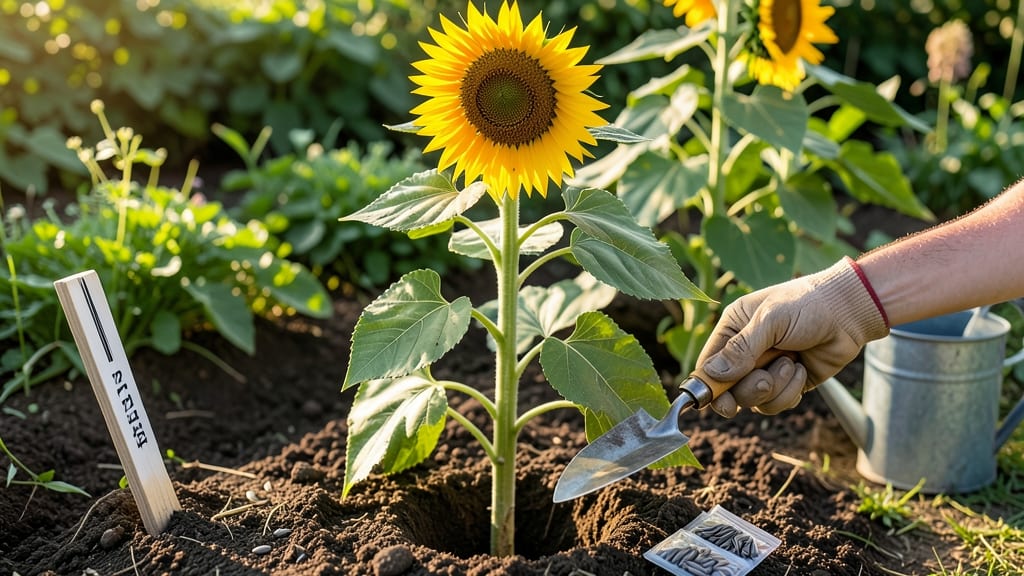
Planting two sunflower seeds per hole is the sweet spot for strong, healthy 🌻 stalks — but depth and spacing matter just as much as the count.
Picture this: you’ve cleared the garden bed, the soil is warm, and you’re ready to drop seeds. But if you bury them too deep or crowd them together, you’ll end up with weak stems or wasted effort.
The right number per hole isn’t just about quantity—it’s about giving each seedling room to thrive from the start.
Most gardeners swear by 1-2 seeds per hole, spaced 6-12 inches apart, but dwarf varieties can handle tighter clusters. Below, I’ll break down the exact planting depth, when to thin seedlings, and how to avoid common pitfalls that kill germination before it begins.
Whether you’re growing 3-foot dwarfs or 14-foot giants, mastering this step ensures your sunflowers reach their full potential without competing for resources.
Optimal sunflower seed count per hole: single vs. multiple seeds explained
When planting sunflowers, the number of seeds per hole directly impacts your success rate. Many gardeners wonder whether to plant 1, 2, or 3 seeds per hole, but the answer depends on your sunflower variety and growing goals.
For most gardeners, planting 2 seeds per hole strikes the perfect balance between efficiency and success. This method ensures at least one strong seedling while minimizing waste.
Sunflower seeds have a high germination rate (typically 80-90%), but planting multiple seeds increases your chances of getting a healthy plant. If you plant just one seed per hole, you risk losing that entire hole if germination fails.
On the other hand, planting 3 seeds per hole can lead to overcrowding, which weakens individual plants and reduces bloom quality.
Here’s the key difference: Dwarf varieties (1-3 feet tall) can handle closer spacing, while giant varieties (6-14 feet tall) need more room to thrive. The seed count you choose should align with your sunflower’s mature size and your garden’s layout.
For dwarf sunflowers (like 'Teddy Bear' or 'Moulin Rouge'), planting 2 seeds per hole is ideal because their smaller stature means they can tolerate closer spacing. These varieties typically reach 1-3 feet tall, so they don’t need as much room to spread out.
You can even plant them as close as 4-6 inches apart if you’re growing them for cut flowers or borders.
On the other hand, giant sunflowers (such as 'Mammoth' or 'Russian Giant') require more space. These towering plants can grow 10-14 feet tall, so planting 2 seeds per hole with 12-18 inches of spacing is crucial.
If you plant 3 seeds in a hole for these varieties, you’ll likely need to thin them aggressively to prevent stunted growth and weak stems.
Another factor to consider is your seed quality. If you’re using heirloom or organic seeds, their germination rates might be slightly lower, making the 2-seed method even more advantageous.
Always check the seed packet for specific instructions, but remember that real-world conditions often require adjustments based on your climate and soil.
Once your sunflower seedlings emerge, it’s time to thin them. Wait until they have 2-3 true leaves before carefully removing the weaker seedlings. Use a small trowel or your fingers to gently pull them out, leaving the strongest, most vigorous plant in each hole.
This step is critical for ensuring your sunflowers grow tall and healthy without competing for nutrients.
Pro tip: If you’re growing sunflowers in containers or small spaces, stick to 1 seed per hole with 4-6 inches of spacing. This prevents overcrowding and allows you to maximize your container’s potential. Just be prepared to replant if the seed fails to germinate.
In summary, the 2-seed method is the gold standard for most sunflower varieties, offering the best balance of success and efficiency. Whether you’re growing dwarf, semi-dwarf, or giant sunflowers, this approach minimizes waste and maximizes your chances of a stunning, sun-filled garden. Happy planting!
Perfect planting depths and soil conditions for sunflower germination
Sunflower seeds need the right conditions to germinate quickly and grow strong. The key factors are planting depth, soil temperature, and moisture levels. When planted too deep, seeds may rot; too shallow, and they dry out.
Let’s break down the perfect setup for your sunflower seeds to thrive from the start.
Ideal soil temperature for sunflower germination is between 50°F and 90°F. If your soil is cooler than 50°F, germination slows dramatically. Use a soil thermometer to check—this simple tool can save you from wasted seeds.
Warmer soil speeds up sprouting, but avoid planting when temperatures exceed 90°F, as seeds may dry out too quickly.
Now, let’s prepare the planting hole. Start by loosening the soil to a depth of 6 inches with a trowel or fork. This improves root penetration and water absorption.
Remove any rocks or debris, as they can hinder seedling growth. A well-prepared hole ensures your seeds get the nutrients and space they need to establish strong roots.
- 1 Dig holes 1 inch deep using your finger or a small trowel. This depth balances protection from drying out while allowing easy sprouting.
- 2 Place 2-3 seeds per hole, spaced 6-12 inches apart. This accounts for uneven germination—you’ll thin later to keep the strongest seedling.
- 3 Cover seeds lightly with soil, patting gently to remove air pockets. Avoid compacting the soil too firmly, as this can suffocate emerging roots.
- 4 Water thoroughly until moisture reaches 2 inches deep. Use a gentle spray to avoid displacing seeds, and keep the soil consistently moist (not soggy) until germination.
- 5 Monitor soil moisture daily. Sunflower seeds need consistent moisture to germinate, but avoid waterlogging, which can cause rot. Mulch lightly with straw to retain humidity.
If your seeds fail to germinate within 7-14 days, check for common issues like overwatering or poor soil contact. Seeds need direct contact with moist soil to absorb water and trigger germination.
If the soil is too dry, rehydrate gently with a misting bottle. Patience is key—sunflowers can take longer to sprout in cooler conditions.
Once seedlings emerge, thin them to 1 strong plant per hole by snipping weaker stems at soil level. This reduces competition for nutrients and sunlight, ensuring your sunflowers grow tall and robust.
With the right depth, temperature, and moisture, your sunflower seeds will germinate reliably and reward you with stunning blooms all season.
🌱