
Flowers
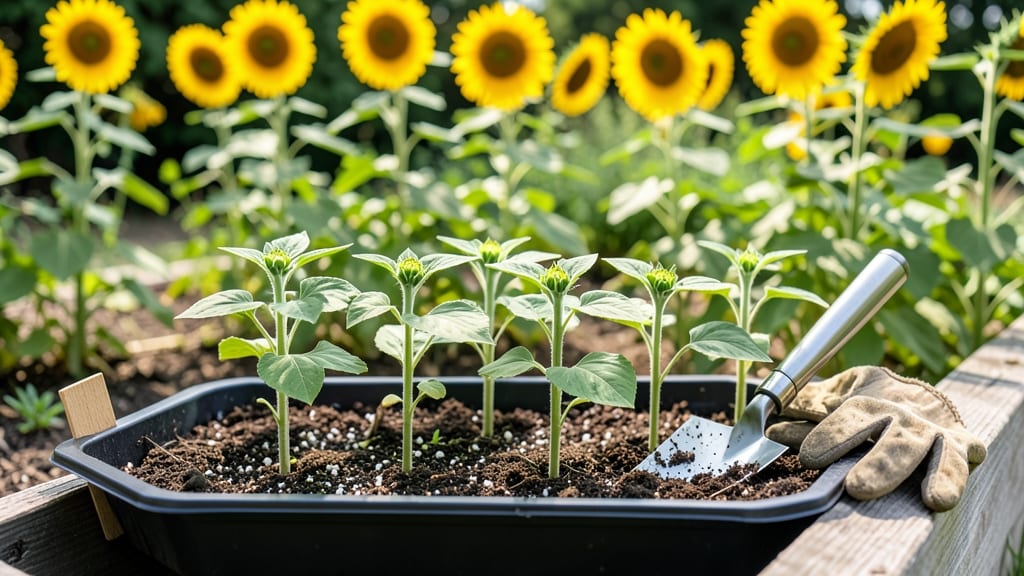
Planting sunflowers in Zone 7 at the right time means the difference between towering, vibrant blooms and floppy stalks that barely stand up. The key window is mid-April through early July, but timing depends on whether you’re starting seeds indoors or sowing directly.
Sunflowers aren’t just cheerful garden additions—they thrive best when planted at the perfect time in Zone 7, ensuring sturdy stems and full blooms. Get it wrong, and you risk leggy stalks or weak flowers.
Zone 7 gardeners have two main planting options: spring (mid-April to early July) for classic sunflowers or a second chance in early summer (late July to early August) for late-season varieties. Soil temperature matters—wait until it’s at least 55°F to avoid germination delays.
Below, I break down the exact months to plant, how to adjust for late frosts, and which sunflower varieties grow best in Zone 7’s shorter season. Ready for bold blooms and easy care?
Optimal sunflower planting months in Zone 7 for maximum growth
Sunflowers in Zone 7 demand precise timing to avoid leggy stems or weak blooms. The ideal planting window spans from mid-April to early July, but soil temperature and frost dates dictate the exact timing.
Direct sowing after the last frost (typically April 15) ensures sturdy growth, while indoor starts can extend your season. Let’s break down the best months and methods for your sunflowers to thrive.
For direct sowing, aim for April 15 to June 1 when soil temperatures reach 55°F or warmer. This aligns with Zone 7’s average last frost date and gives sunflowers enough time to mature before fall frosts.
If you’re starting seeds indoors, begin 4–6 weeks before your last frost (around March 15 to April 1) to transplant hardened-off seedlings outdoors by late April.
Here’s a quick reference for your Zone 7 sunflower planting schedule, including soil temperature thresholds and frost considerations:
| Planting Method | Best Months | Soil Temp Requirement | Frost Risk | Notes |
|---|---|---|---|---|
| Direct Sowing | Mid-April to June 1 | 55°F+ | Low (after last frost) | Plant 1" deep, 6" apart; thin to 12–24" apart. |
| Indoor Starts | March 15–April 1 | 60–70°F (indoors) | Moderate (harden off before transplanting) | Transplant after last frost; avoid shocking roots. |
| Late Summer Sowing | Late July–Early August | 60°F+ | High (first frost risk) | Choose fast-maturing varieties (e.g., 'Autumn Beauty'). |
If you’re planting in late summer (July–August), opt for fast-maturing varieties like 'Teddy Bear' or 'Autumn Beauty' to ensure blooms before the first frost (October 15). These varieties mature in 50–60 days, giving them enough time to thrive despite the shorter season.
Avoid giant varieties like 'Russian Giant' for late plantings—they need 120 days to mature.
Adjust your planting timeline if your Zone 7 area experiences early or late frosts. Check your local USDA frost map or use a frost calendar from your county extension office.
For example, if your last frost occurs May 1, delay direct sowing until May 15 to avoid frost damage. Conversely, if your first frost comes October 1, prioritize early plantings or fast varieties.
Protect young seedlings from unexpected frosts with row covers or black plastic mulch, which warms the soil and speeds germination. Even a single night below 32°F can stunt growth, so monitor 5-day forecasts closely.
In urban areas, heat islands can delay frosts—plant 1–2 weeks later if your neighborhood stays warmer than rural zones.
For soil preparation, amend heavy clay soils with compost or sand to improve drainage, as sunflowers hate soggy roots. Test your soil’s pH—sunflowers prefer 6.0–7.5. If your soil is too acidic, add lime 2–3 weeks before planting.
Well-draining, fertile soil ensures sturdy stems and vibrant blooms, even in Zone 7’s variable climate.
Once planted, maintain consistent moisture during germination (keep soil damp but not waterlogged). After sprouting, reduce watering to 1–1.5 gallons per week, focusing on the root zone.
Overwatering leads to weak stems and blossom rot, while underwatering causes stunted growth. Mulch with straw or grass clippings to retain moisture and suppress weeds.
With the right timing, your Zone 7 sunflowers will reward you with towering stems and cheerful blooms from late summer through fall.
Whether you’re direct sowing in spring or starting indoors for a head start, these guidelines will help you avoid common pitfalls and enjoy a bountiful sunflower display. 🌻
How to adjust sunflower planting for Zone 7’s microclimates and soil conditions
Zone 7 gardeners face unique challenges like heavy clay soils and late spring frosts, but sunflowers can still thrive with smart adjustments. The key is understanding how your local microclimate affects planting timing and soil preparation.
Urban heat islands, for example, can push planting dates 2 weeks earlier than rural areas.
Start by testing your soil drainage—sunflowers hate soggy roots. Amend clay-heavy soil with compost or sand to improve aeration. In areas with late frosts, opt for fast-maturing varieties like 'Teddy Bear' to avoid leggy growth. Companion planting with bush beans or marigolds can also extend your growing season.
- Plant after last frost (typically mid-April in Zone 7) when soil reaches 55°F—use a soil thermometer for accuracy.
- For urban heat islands, plant 2 weeks earlier (early April) to avoid heat stress during germination.
- In clay soils, mix in 3 inches of compost or use raised beds to improve drainage and warmth.
- Use black plastic mulch to warm soil faster in cool microclimates, helping seeds germinate 3–5 days sooner.
- Pair sunflowers with bush beans or marigolds to deter pests and improve soil fertility naturally.
- If late frosts are a risk, start a few seeds indoors (4–6 weeks before last frost) for early transplants.
Don’t let heavy clay soil discourage you—sunflowers are surprisingly adaptable. Work in organic matter like composted leaves or aged manure to break up compaction. For urban gardens, consider container growing with well-draining potting mix if your yard soil is too dense.
Watch for microclimate signs like nearby trees or buildings that create cooler pockets. These areas may need later planting dates (late April) or protective cloches for seedlings. Always monitor your local frost forecast—a sudden cold snap can set back young plants.
Extend your sunflower season by planting succession crops every 2 weeks from May through early July. This ensures continuous blooms and attracts pollinators like bees and butterflies. Just remember: dwarf varieties like 'Moulin Rouge' work best in containers or small spaces.
With these adjustments, you’ll enjoy taller stems and brighter blooms—even in Zone 7’s tricky conditions. Happy growing! 🌻