
Blooming
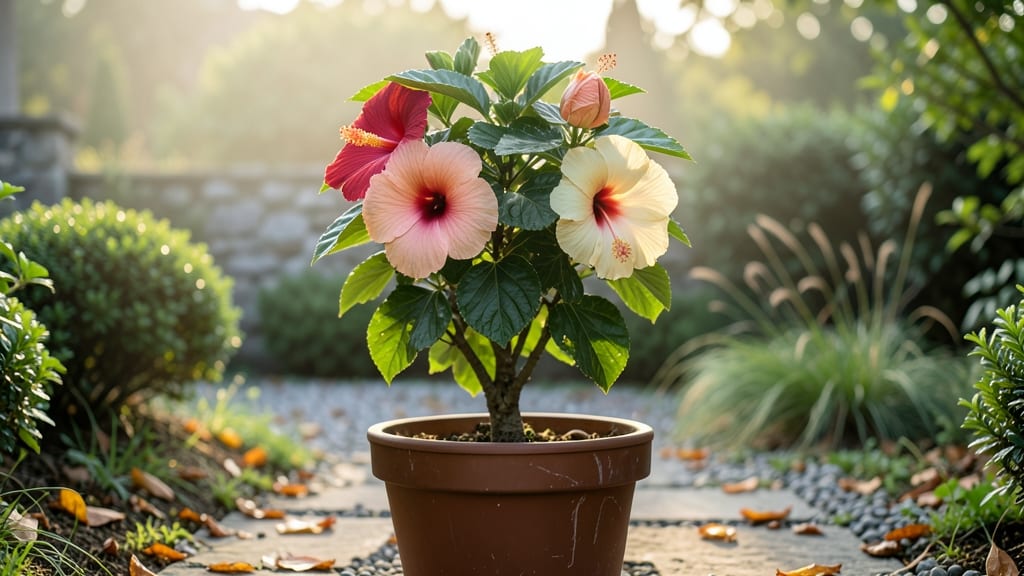
The hibiscus flowering season spans from late spring through early fall, with peak blooms in summer when days are longest and temperatures are warm.
If you’ve ever dreamed of a garden bursting with vibrant hibiscus blooms, timing is everything—knowing the exact flowering season for your climate zone can mean the difference between a few scattered flowers and a full, colorful display.
In USDA Zone 6a, where frost lingers until April, hibiscus (🌸) typically starts blooming in June and continues until frost in October, but tropical varieties can flower year-round in warmer regions.
What you might not realize is that even a small shift in care—like adjusting pruning or fertilization—can push those blooms earlier or extend the season by weeks.
For example, a light spring feed encourages new growth, while summer feeding keeps flowers coming, but overdoing it in fall can stunt next year’s blooms.
Below, I’ll break down the month-by-month blooming windows for hibiscus in your zone, plus the 3 key adjustments to coax more flowers—no matter where you garden.
Hibiscus flowering season by USDA climate Zone: month-by-month breakdown
Timing your hibiscus care to match its natural blooming cycle is the secret to a garden overflowing with vibrant flowers. Unlike many plants, hibiscus varieties—especially Hibiscus rosa-sinensis—have distinct seasonal patterns that shift dramatically across USDA zones 7-11.
In warmer zones, you might enjoy year-round blooms, while cooler regions demand extra care to coax flowers outside their typical summer-to-fall window.
Understanding these patterns helps you plan for pruning, fertilization, and winter protection—all critical for maximizing flower production. For example, tropical hibiscus in Zone 11 may bloom year-round, while hardy varieties in Zone 7 need strategic interventions to extend their 3-5 month flowering season.
🌸 Key Insight: The longest blooming windows occur in Zones 9-11, where hibiscus can flower for 8-12 months with proper care. In contrast, Zones 7-8 often see a shorter, more concentrated bloom unless you take proactive steps.
In Zone 7, hibiscus typically bloom from June to September, aligning with the warmest months. Hardy varieties like 'Southern Belle' can handle brief cold snaps but require heavy mulching and spring pruning to encourage new growth. Without these steps, blooms may be sparser or delayed.
Moving to Zone 8, the flowering season stretches to May through October, thanks to milder winters. Here, 'Arctic Pink' varieties thrive with late-summer fertilization to push fall blooms. A light frost warning in October signals it’s time to cover plants or move potted hibiscus indoors.
Zones 9-10 offer the best of both worlds: longer blooming seasons and less winter stress. In Zone 9, hibiscus like 'Dwarf Red' may bloom from April to November, while Zone 10 varieties like 'Lime Green' can flower nearly year-round.
The key here is consistent deadheading to prevent energy drain.
💡 Pro Tip: In Zones 7-8, a late-summer fertilizer boost (high in phosphorus) can trigger additional fall blooms. Pair this with morning watering to prevent fungal issues from prolonged humidity.
For Zone 11 gardeners, hibiscus like 'Peppermint' reward minimal effort with year-round color. Focus shifts to pest control (like aphids) and pruning leggy growth to maintain shape. Even in these warm climates, drought stress can reduce blooms, so deep watering every 3-5 days keeps flowers abundant.
If you’re in a transitional zone (e.g., Zone 8b), experiment with microclimates. A south-facing wall can extend blooms by 2-3 weeks compared to shaded areas. Similarly, container-grown hibiscus offer flexibility—move pots to protected spots during cold snaps.
To extend the season in cooler zones, combine these strategies: prune in early spring to remove dead wood, apply mulch to insulate roots
How to trigger early or late hibiscus blooms: pruning and care tips
Want to extend your hibiscus blooming season? With the right techniques, you can coax vibrant flowers months earlier or later than their natural hibiscus flowering season. The key lies in understanding how strategic pruning, light exposure, and fertilizer timing influence bloom cycles.
Even in cooler climates, you can push your hibiscus to flower outside its typical summer window.
Hibiscus plants naturally bloom during warm months, but their growth cycles can be manipulated. For example, tropical hibiscus varieties like Hibiscus rosa-sinensis thrive in USDA zones 9-11, while hardier types in zones 7-8 need extra care to extend their season.
By adjusting care routines, you can transform a single-season bloomer into a year-round star.
- 🌞 Adjust Light Exposure: Move potted hibiscus indoors near a south-facing window for 6+ hours of light during cooler months. Use grow lights if natural light is insufficient.
- ✂️ Prune Strategically: Cut back 1/3 of stems in early spring to encourage new growth. For late blooms, prune lightly in mid-summer to stimulate fall flowers.
- 💧 Water Consistently: Maintain even moisture—never let soil dry out completely. Reduce watering slightly in fall to signal dormancy.
- 🌿 Fertilize Smartly: Use a balanced 10-10-10 fertilizer every 4-6 weeks during growing season. Switch to low-nitrogen in late summer to promote blooms.
- 🌡️ Warm Roots: In cold climates, wrap pots with burlap or use a heat mat to keep roots warm, encouraging earlier blooms.
One common mistake gardeners make is over-pruning in fall, which can delay spring blooms. Always prune after the last expected frost in your zone. For example, in USDA zone 8, prune in late March rather than winter.
This gives your hibiscus time to recover and bloom by early summer.
Light exposure is another game-changer. Hibiscus plants need full sun (6+ hours daily), but if you're pushing for early blooms, supplement with grow lights during short winter days.
Place lights 6-12 inches above the plant for 12-14 hours daily. This mimics longer daylight hours and tricks the plant into blooming earlier.
Fertilizer timing is critical—too much nitrogen early in the season leads to leafy growth but fewer flowers. Instead, feed with a phosphorus-rich fertilizer (like 5-10-10) in late spring to encourage blooming. For late-season flowers, apply a potassium boost in early fall to strengthen stems and buds.
Remember, hibiscus are sensitive to sudden changes. Gradually adjust light, water, and temperature to avoid stress. With patience, your hibiscus can bloom 3-4 months outside its natural season—adding months of color to your garden! 🌸