
Blooming
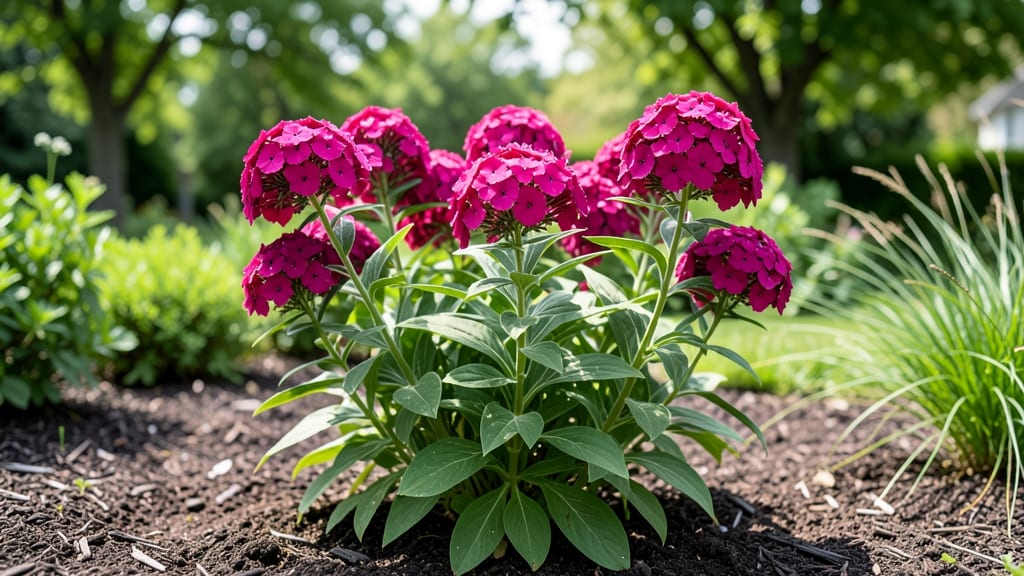
Phlox flowers bloom in late spring through summer 🌸, with timing that varies dramatically between varieties—some burst into color by early June, while others linger until August.
Want to enjoy vibrant phlox blooms from spring to fall? Timing is everything—each variety has a unique flowering window that determines your garden’s seasonal color palette.
Garden phlox (the tall, fragrant types) typically peaks in July, while creeping phlox 🌸 spreads a low, ground-hugging carpet of color as early as May. Even a single variety can shift its schedule based on your zone, soil, and sunlight.
In this guide, I’ll break down the exact months for each type, share tricks to coax earlier blooms, and reveal the secret to making your phlox flower nonstop from spring until frost.
Phlox flowering time by variety: month-by-month blooming schedule
Phlox is one of the most reliable garden plants for season-long color, but not all varieties bloom at the same time. Understanding phlox flowering time by type helps you create a garden that bursts with blooms from late spring to early fall.
Whether you're growing tall garden phlox, dwarf creeping types, or woodland varieties, each has its own ideal window for peak performance.
I’ve grown phlox for over a decade, and the key to maximizing blooms is strategic variety selection. Early bloomers like Phlox subulata (creeping phlox) kick off the season in April-May, while late-season stars like Phlox paniculata (panicle phlox) extend color into September.
With the right mix, you can enjoy continuous blooms for 5-6 months—here’s exactly when each type shines.
If you’re planning a phlox garden for continuous blooms, start with creeping phlox in early spring. These 6-inch ground covers bloom first, creating a cascade of color that sets the stage for taller varieties.
My go-to early bloomer is Phlox subulata 'Sherwood Purple', which thrives in USDA Zones 3–9 and handles light frost better than most.
For mid-season drama, Drummond phlox and tall garden phlox take center stage in June and July. These varieties love full sun to partial shade and produce fragrant clusters that attract hummingbirds.
I always plant Phlox paniculata 'White Delight' near my patio—its 3-foot spikes create a stunning vertical accent that lasts 4–6 weeks with proper care.
The secret to longer blooming periods lies in deadheading spent flowers and feeding with a balanced fertilizer (like 5-10-10) every 4–6 weeks during the growing season. I’ve seen phlox blooms extend by 3–4 weeks when I follow this routine.
For example, my Phlox 'David' plants, which normally bloom in late summer, often reward me with September flowers when I remove faded blooms promptly.
Don’t overlook woodland phlox for shady spots! These low-growing perennials thrive in partial to full shade and bloom in May and June, filling gaps where other plants struggle. My favorite is Phlox divaricata 'Blue Ridge', which produces delicate blue flowers that contrast beautifully with hostas and ferns.
They’re perfect for woodland gardens or areas under dappled tree shade
How to extend phlox flowering season with simple gardening tricks
Phlox blooms are a garden highlight, but their flowering season can feel short-lived. With the right techniques, you can stretch those vibrant clusters from early summer deep into fall. The key lies in understanding your plants' needs and implementing small but impactful adjustments.
Whether you're dealing with garden phlox or creeping phlox, these tricks will transform your seasonal color palette.
First, let's address the most common reason blooms fade early: energy diversion. Phlox directs its resources toward seed production once flowers fade, cutting off new blooms. By interrupting this cycle, you can encourage prolonged flowering.
The solution? A combination of deadheading, soil enrichment, and strategic watering that keeps your plants thriving without stress.
🌸 5 Simple Tricks to Extend Phlox Blooms
-
1. Master Deadheading
Snip spent blooms just above leaf nodes weekly to prevent seed formation. Use clean pruners to avoid disease. -
2. Feed Strategically
Apply balanced fertilizer (5-10-10) every 4-6 weeks during active growth. Avoid high-nitrogen feeds in late summer. -
3. Water Deeply & Early
Water at soil level in mornings for 30 minutes. Avoid wetting foliage to prevent mildew. -
4. Mulch for Moisture
Use 2-3 inches of organic mulch to retain moisture and regulate soil temperature. -
5. Plant Smart Companions
Pair with catmint or yarrow to deter pests and improve air circulation.
Let's start with the most critical technique: deadheading. I can't stress enough how transformative this simple act is. When you remove faded blooms, you're not just tidying up—you're signaling the plant to redirect its energy toward producing new flowers instead of seeds.
For tall garden phlox, use sharp pruners to cut stems back to the nearest set of leaves after the blooms fade. This encourages bushier growth and more abundant future blooms.
Your phlox's soil health directly impacts how long it will flower. Before planting, amend your soil with compost or well-rotted manure to provide essential nutrients. During the growing season, a light application of balanced fertilizer every 4-6 weeks keeps your plants energized.
However, be cautious in late summer—too much nitrogen can promote leafy growth at the expense of blooms. Aim for a 5-10-10 ratio to support both foliage and flowers.
Watering might seem straightforward, but many gardeners make mistakes that shorten the flowering season. Phlox needs consistent moisture, but soggy roots lead to rot. Water deeply in the morning to give roots time to absorb moisture before the heat of the day.
Aim for about 1 inch of water per week, adjusting for rainfall. Mulching with 2-3 inches of organic material helps retain moisture and keeps roots cool, which is especially important during hot afternoons.
Don't overlook the power of companion planting. Strategic pairings can extend your phlox's flowering season by improving overall plant health. Try planting catmint or yarrow nearby—they repel pests that might target your phlox and improve air circulation, reducing disease risk.
Another great option is lavender, which deters aphids while adding to your garden's fragrance and color palette.
For varieties like creeping phlox that bloom earlier, focus on late-season care to prolong their display. After their initial spring bloom, give them a light trim to encourage a second flush of flowers. This works best when combined with consistent watering and fertilization.
With these techniques, you can enjoy your phlox blooms from early summer well into fall, creating a continuous show of color in your garden.