
Flowers
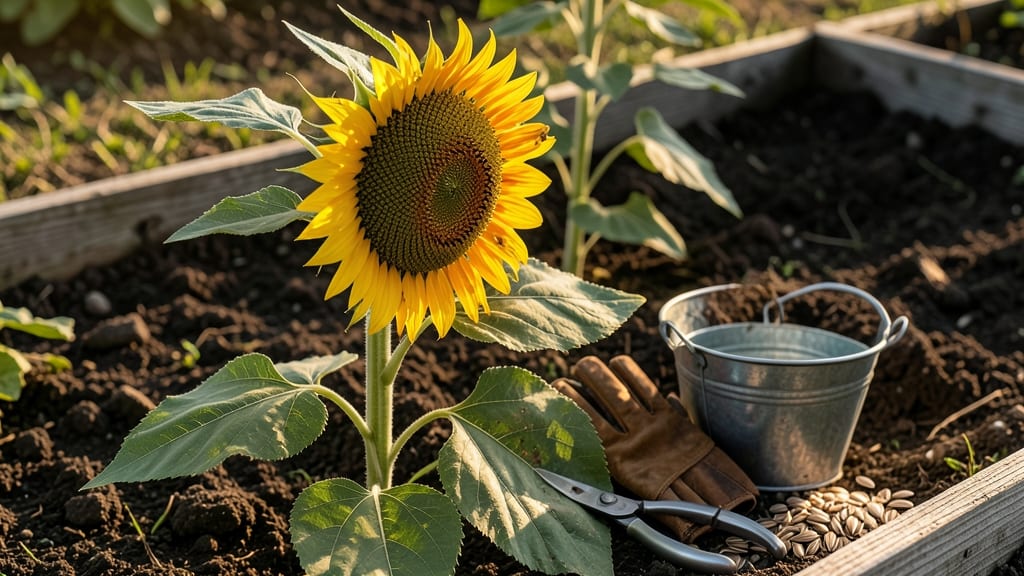
Sunflowers are ready to harvest when the back of the petals turns brown and the seed head feels heavy 🌻 — a perfect balance between too soon and too late.
Picture this: you’ve nurtured your towering sunflowers all summer, and now the moment of truth arrives. One wrong move, and you’ll either miss out on crisp, flavorful seeds or end up with bitter, fallen heads.
The key is knowing exactly when to act, and it’s all about reading the plant’s signals.
Look for four telltale signs: the petals drooping, the seed head turning a rich brown, a firm weight when shaken, and seeds that are plump but not yet gray. These cues mean your sunflowers are at their peak—ready to be picked for seeds, buds, or even pressed flowers.
In this guide, I’ll walk you through each step, from spotting the perfect harvest moment to storing your sunflowers for long-term use. No more guesswork—just a foolproof way to enjoy your hard work.


4 Key signs sunflowers are ready for harvest (with visual guide)
Harvesting sunflowers at the right time ensures you get nutrient-rich seeds or crisp edible buds instead of bitter, overripe heads. The key is watching for four distinct visual cues that indicate peak ripeness.
These signs apply to both standard varieties and early-maturing types, though timing may vary by 1-2 weeks.
First, focus on the flower head color. When the petals start drooping slightly and turn from golden yellow to a brownish hue, it’s your first clue. This change signals the plant is redirecting energy from blooms to seed development.
For early varieties, this might happen in late July, while late-season types could wait until September.
Next, check the seed head weight. A mature sunflower head should feel heavy and solid when gently shaken. If it feels light or hollow, the seeds aren’t ready yet. This test is especially useful for tall varieties where visual cues might be harder to spot from the ground.
Now, let’s talk seeds. The best time to harvest is when seeds are plump and brown but before they turn gray or start falling out. Use a small knife to split open a seed—if the inside is firm and brown, it’s perfect.
Green or soft seeds mean you’re too early, while gray or shriveled seeds mean you’ve waited too long.
Finally, observe the stem and leaves. As the flower matures, the stem may weaken slightly, and the lower leaves might yellow. This natural decline indicates the plant is channeling all resources into the seed head.
However, if leaves wilt dramatically or the stem browns excessively, the plant may be stressed or diseased.
| Sign | What to Look For | Early Varieties | Late Varieties |
|---|---|---|---|
| 🌻 Petal Color | Petals droop and turn brown | Late July | Late August-September |
| 🌾 Seed Head Weight | Feels heavy and solid when shaken | 50-60 days after flowering | 70-90 days after flowering |
| 💧 Seed Maturity | Seeds plump, brown, and firm | Late July-August | September-October |
| 🌿 Stem & Leaves | Lower leaves yellow, stem weakens | Early August | Early October |
For early-maturing varieties, like ‘Teddy Bear’ or ‘Moulin Rouge’, you’ll notice these signs 4-6 weeks earlier than giant varieties like ‘Russian Giant’. Early types often reach harvest readiness by late July, while standard and tall varieties may not be ready until September.
Always check the seed packet for specific days to maturity.
Timing also depends on your climate zone. In warmer zones (8-10), sunflowers may mature faster, while cooler zones (3-6) could see a delayed harvest. If frost threatens before seeds mature, consider harvesting the entire head and drying it indoors to salvage seeds.
One common mistake is waiting until the petals fall completely. While this can happen, the seeds might already be overripe. Instead, aim to harvest 1-2 days before the petals fall naturally.
This ensures you get seeds at their peak flavor and nutritional value, whether you’re saving them for planting or enjoying them roasted.
Pro tip: Harvest on a dry, sunny morning to reduce moisture and prevent mold. Use a sharp pair of pruners or a knife to cut the stem, leaving a 1-2 inch stub.
This helps the plant redirect energy to any remaining seed heads, potentially giving you a second harvest if you’re growing multiple varieties.
Once harvested, store sunflower heads in a well-ventilated, dry place for 1-2 weeks to fully dry the seeds. For edible buds, harvest when the head is still tightly closed and the petals are just starting to show color. This usually happens 2-3 weeks before the seeds mature.
How to harvest sunflower heads for seeds vs. edible buds (step-by-step)
Harvesting sunflowers isn’t a one-size-fits-all task—it depends on whether you’re after crisp edible buds or nutrient-rich seeds. Each method requires a different approach, from timing to storage. For seeds, you’ll want to wait until the back of the flower head turns brown and the seeds feel firm inside.
For edible buds, you’ll pick them when the petals are just starting to open but haven’t fully bloomed yet.
Grab your sharp pruning shears or a clean knife—never pull stems by hand, as this can damage the plant. The best time to harvest is on a dry, sunny morning when dew has evaporated. This minimizes moisture, reducing the risk of mold or rot.
Whether you’re harvesting for seeds or buds, the goal is to preserve freshness and quality, so timing and technique matter just as much as the tools you use.
Step-by-Step Harvesting Guide
-
Step 1: Identify the Harvest Stage
For seeds: Wait until the back of the petals turns brown and the seed head feels heavy when shaken. For buds, pick when petals are partially open but still tightly closed. -
Step 2: Gather Your Tools
Use sterilized pruning shears, a clean bucket or basket, and gloves (optional, for seed harvesting). Avoid touching the flower heads directly to prevent contamination. -
Step 3: Cut at the Right Angle
For seeds, cut the entire flower head from the stem, leaving a 1-inch stub. For buds, snip just above a leaf node to encourage new growth. -
Step 4: Handle with Care
Place harvested heads in a shady, well-ventilated area immediately. For seeds, let them dry on the stem for 1-2 weeks before processing. For buds, refrigerate in a paper bag to slow wilting. -
Step 5: Store Properly
Seeds: Once dry, remove seeds and store in an airtight container in a cool, dark place. Bud: Use within 3-5 days or freeze for up to 3 months to preserve freshness.
If you’re harvesting for seeds, let the flower heads dry completely on the plant or indoors. Once fully dry, rub the seeds from the head into a bowl and winnow out debris.
For edible buds, trim the petals and stems, then store them in the fridge like you would greens. The key difference? Seeds need time to mature, while buds should be picked young for the best texture and flavor.
Pro tip: If you’re unsure whether your sunflowers are ready, do the shake test. Hold the seed head and give it a gentle shake—if seeds rattle inside, they’re ready.
If it feels light, wait a few more days. This simple trick saves you from harvesting too early and missing out on the best flavor or seed quality.
Once harvested, store your sunflowers correctly to maximize shelf life. For seeds, keep them in a cool, dry place for up to 6 months. For buds, wrap them in a damp paper towel and refrigerate to keep them crisp.
Proper storage ensures you’ll enjoy your harvest long after the growing season ends.
Whether you’re saving seeds for next year’s garden or enjoying buds in salads, knowing when and how to harvest makes all the difference. With these steps, you’ll turn your sunflowers into a bountiful harvest—no guesswork required! 🌻