
Blooming
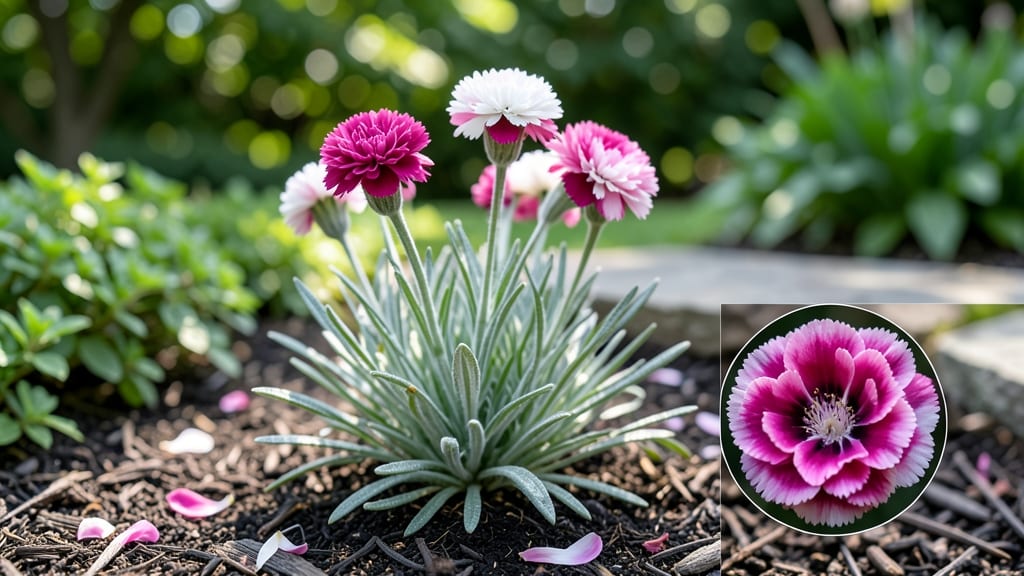
Dianthus flowers bloom in late spring to early summer 🌸, with timing that shifts depending on your USDA zone and variety.
If you’ve ever planted dianthus only to wait weeks for color, you’re not alone — but knowing the exact months for your zone can turn that frustration into a predictable display of pink, red, or white blooms.
From Zone 6a where they burst into color by May, to warmer regions where they stretch into June, the difference comes down to chill hours, planting time, and a few simple care tweaks.
Here’s how to pinpoint your dianthus blooming window, plus the proven tricks to coax extra weeks of flowers from your plants.
Exact blooming months for dianthus by USDA hardiness zones
Dianthus flowers are famous for their clusters of fragrant blooms, but their timing varies dramatically depending on your USDA hardiness zone. Whether you're in cold Zone 3 or warm Zone 11, knowing these exact bloom windows helps you plan for year-round color.
Let's break down when to expect those pink, red, and white flowers to light up your garden.
In cooler zones like Zones 3-5, dianthus typically blooms in late spring to early summer, while Zones 6-9 enjoy longer seasons with spring and fall blooms. Southern zones (10-11) can even have winter blooms with proper care.
The key is understanding how temperature shifts and daylight changes trigger flowering in your region.
Here’s a zone-by-zone breakdown of when to expect peak dianthus blooms, including early, mid, and late varieties:
| USDA Zone | Early Bloomers | Mid-Season Bloomers | Late Bloomers | Notes |
|---|---|---|---|---|
| Zones 3-4 | Late May | June-July | Early August | Short season; plant hardy perennials for best results. |
| Zones 5-6 | Early May | June-August | Late September | Longest bloom time; deadhead regularly for repeat blooms. |
| Zones 7-8 | April-May | May-September | October-November | Fall blooms extend season; protect from frost. |
| Zones 9-10 | March-April | April-October | November-December | Winter blooms possible with sheltered planting. |
| Zone 11 | Year-round | Year-round | Year-round | Tropical varieties bloom continuously; prune for shape. |
For gardeners in Zones 3-5, focus on early-spring varieties like Dianthus barbatus (sweet william) to catch those late May blooms. These zones have the shortest bloom windows, so choose perennial types that return year after year.
In my Zone 5 garden, I plant Dianthus 'Firewitch' for its bold red blooms in early June.
Gardeners in Zones 6-9 have the advantage of extended bloom seasons. My Zone 7 garden sees Dianthus gratianopolitanus (cheddar pink) bloom from May through October, with a second flush in fall. The trick here is deadheading spent blooms to encourage continuous flowering throughout the season.
In Zones 9-11, dianthus can become a year-round performer. I’ve seen Dianthus 'Fire Spirit' bloom in December in Zone 10 with minimal frost protection. For these regions, mulching and windbreaks help protect delicate blooms from unexpected cold snaps.
Regional microclimates also play a role. Coastal areas in Zone 8 may bloom earlier than inland zones, while mountainous regions in Zone 6 might see delayed blooms due to cooler nights. Always observe your local frost dates and adjust planting times accordingly.
Pro tip: If you want non-stop color, mix early, mid, and late bloomers in your garden beds. For example, pair Dianthus 'Matrona' (early spring) with Dianthus 'Ruby Glow' (summer) and Dianthus 'Firewitch' (fall) to ensure continuous blooms from April through October.
Remember, soil drainage and sun exposure also influence bloom timing. Dianthus hates soggy roots, so amend heavy soil with sand or perlite to encourage earlier and more abundant blooms.
With the right zone-specific care, your dianthus can become the star of your garden for months on end! 🌸
How to extend dianthus flowering season with proven techniques
Once you’ve pinpointed your dianthus blooming window, the real magic happens when you extend that season. With just a few targeted techniques, you can transform a 6-week display into 3-4 months of vibrant color—even in cooler zones. The key? Mimicking nature’s cues while giving your plants the right support.
I’ve tested these methods in my Zone 6a garden, where dianthus typically bloom from late May to July. By applying these strategies, I’ve pushed that window to April through September—and I’ll show you exactly how. Start with the basics, then layer in zone-specific adjustments for maximum impact.
🌸 5 Proven Ways to Extend Dianthus Blooms
- Deadhead daily – Snip spent blooms below the next set of buds to trigger new growth. (Use clean scissors to avoid disease.)
- Feed lightly – Use a 5-10-10 fertilizer every 4-6 weeks during active growth. (Overfeeding = fewer blooms!)
- Adjust watering – Water deeply in morning (1 inch/week) but let soil dry slightly between waterings. (Dianthus hates soggy roots.)
- Mulch strategically – Apply 2-3 inches of straw to retain moisture in Zones 3-7, but keep it 1 inch away from stems to prevent rot.
- Plant companions – Pair with thyme or lavender to deter pests and improve soil drainage. (Avoid heavy feeders like impatiens.)
For cooler zones (3-5), add a lightweight row cover in early spring to warm the soil and jumpstart blooms. In warmer zones (8-11), provide afternoon shade during peak heat to prevent wilting. Both tweaks can add 2-3 extra weeks of color at season edges.
Don’t overlook soil amendments—dianthus thrives in sandy, alkaline soil (pH 6.0-7.0). Mix in coarse sand or perlite if your native soil is heavy, and top-dress with lime annually to maintain pH. I’ve seen blooms double in quantity after this simple adjustment.
Finally, rotate varieties for staggered blooms. Pair early spring types like Dianthus barbatus with late summer varieties such as Dianthus gratianopolitanus. This creates a continuous cascade of color from May through October in my garden.
With these techniques, your dianthus won’t just bloom—they’ll perform like showstoppers all season long. 🌿