
Flowers
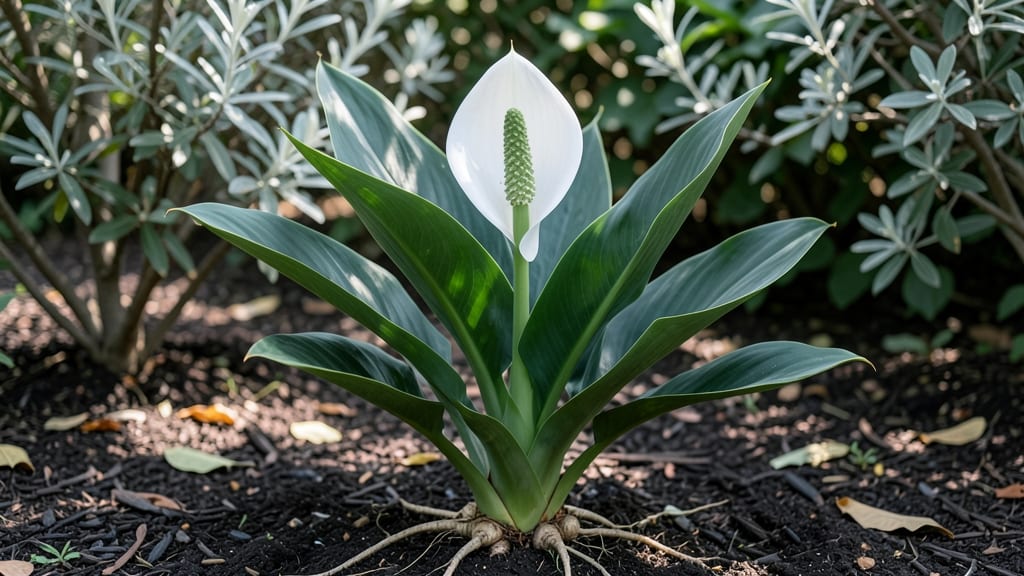
Calla lily flowers bloom between June and September in most temperate regions, but the exact timing depends on where you live and which variety you grow 🌸.
If you’ve ever wondered why your calla lilies seem to bloom at different times—or why some varieties never seem to flower at all—the answer lies in their natural rhythms, regional climates, and even the subtle art of garden care.
In USDA Zone 6a (like much of the Midwest), blooms typically kick off in late June, while warmer zones like Florida may see flowers as early as May or even year-round with the right care. Meanwhile, cooler climates might delay blooms until July or August.
Below, I’ll break down the seasonal triggers by region, the top factors that speed up or slow down blooming, and simple care tips to coax those stunning 🌸 flowers into full view—no matter where you garden.
Calla lily blooming seasons by USDA hardiness zones: what to expect where you live
Calla lilies (Zantedeschia spp.) are stunning tropical plants that thrive in warm climates but adapt beautifully to cooler regions with the right care. Their blooming seasons vary dramatically depending on your USDA hardiness zone, local microclimates, and even the specific variety you choose.
In Zone 10-11, you might enjoy year-round blooms, while gardeners in Zone 5-7 will need to time planting carefully for summer displays.
Understanding these patterns helps you plan your garden layout and care routine. For example, Zantedeschia aethiopica (the classic white calla) often blooms earlier in mild climates, while Z. elliottiana varieties may wait until late summer.
Let’s break down what to expect in your neck of the woods—plus how to adjust for regional quirks like Florida’s humidity or California’s coastal fog.
📌 Pro Tip: Most calla lilies need 60-90 days from planting rhizomes to first bloom, but this timeline shifts with temperature and light. In Zone 8-9, you’ll typically see flowers from May through September, while Zone 4-5 gardeners should plant rhizomes in late spring for a July-August show.
| USDA Zone | Typical Bloom Window | Early Varieties | Late Varieties | Regional Notes |
|---|---|---|---|---|
| Zones 10-11 | Year-round (peaks spring-fall) | Z. aethiopica (white) | Z. rehmannii (pink) | Humidity extends blooms; mulch in summer. |
| Zones 8-9 | May–September | Z. elliottiana (black) | Z. jucunda (orange) | Coastal areas bloom 2-3 weeks later. |
| Zones 6-7 | June–August | Z. albomaculata (spotted) | Z. pentlandii (purple) | Plant after last frost; protect from early frost. |
| Zones 5 | July–September | Z. odorata (fragrant) | Z. albomaculata (late) | Grow in containers; dig up before frost. |
| Zone 4 | August–Frost | Z. aethiopica (hardiest) | None (short season) | Start rhizomes indoors; extend season with row covers. |
In Zone 10-11, calla lilies often bloom year-round, with peak displays in spring and fall when temperatures are mild. Florida gardeners, for example, may see early blooms as soon as February, while California’s coastal regions might delay until April due to cooler ocean breezes.
The key is to mulch heavily in summer to retain moisture and prevent heat stress.
For Zone 8-9 gardeners, timing is critical. Plant rhizomes in March for a May-June start, but expect secondary blooms in late summer if you fertilize lightly in July. In Southern California, inland areas like San Diego bloom earlier than coastal Santa Barbara, which stays cooler.
In cooler Zones 5-7, calla lilies are treat them as annuals or overwinter rhizomes indoors. Plant after your last frost date (typically late May in Zone 5) for July-August flowers. Midwest gardeners should choose Z. aethiopica for its hardiness—it tolerates brief frost better than other varieties.
If you’re in Zone 4, focus on container growing and start rhizomes indoors in February. Transplant outdoors after Memorial Day for a short but vibrant summer display. Use black plastic mulch to warm the soil and extend the season by 2-3 weeks.
Regardless of your zone,
Top 5 factors that trigger (or delay) calla lily blooms—and how to control them
Calla lilies are stunning plants, but their blooming schedule can feel like a mystery. The truth? Five key factors determine when (or if) your calla lilies will flower. Understanding these triggers helps you adjust care routines to encourage vibrant blooms.
From sunlight exposure to soil temperature, each element plays a critical role in breaking dormancy and signaling flowering time.
First, let’s address the most common question: When do calla lily flowers bloom? Typically, calla lilies flower 60–90 days after planting rhizomes, but this timeline shifts based on regional climate and care.
In warmer zones (like Florida), blooms may appear as early as late spring, while cooler climates (like Zone 5) often see flowers in mid-to-late summer. The secret? Mastering these five triggers ensures your plants align with their natural blooming window.
- 🌞 Sunlight Exposure: 4–6 hours of morning sun is ideal. Too much afternoon sun can scorch leaves, delaying blooms. Use dappled shade in hot climates.
- 🌡️ Soil Temperature: Rhizomes need soil temps above 60°F (15°C) to break dormancy. In cooler zones, plant after last frost or use black plastic mulch to warm soil.
- 💧 Watering Habits: Consistent moisture (1 inch/week) prevents stress. Overwatering or drought can trigger bloom delays or no flowers at all.
- 🌿 Fertilizer Timing: Feed with balanced 10-10-10 fertilizer in early spring (March–April) to promote foliage growth, which supports blooms. Avoid summer feeding.
- ✂️ Pruning & Deadheading: Remove spent blooms and yellow leaves to redirect energy. Cut back foliage in fall to signal dormancy, ensuring stronger blooms next season.
Let’s dive deeper into how to control these factors. Sunlight exposure is non-negotiable—calla lilies thrive with morning sun but need protection from harsh afternoon rays. If your garden gets intense afternoon heat, consider partial shade (like under a tree canopy) to prevent leaf burn, which can stall blooming.
I’ve seen calla lilies in full sun bloom earlier, but their leaves often yellow by midday, signaling stress.
Soil temperature is another game-changer. Calla lilies are tropical plants at heart, so they need warmth to trigger blooming. In cooler zones, plant rhizomes after the last frost (typically mid-April in Zone 5) or use black plastic mulch to raise soil temps by 5–10°F. I once planted calla lilies in May in my Zone 6 garden, and they bloomed 3 weeks later than those planted with mulch in April—proof that warmth speeds up the process.
Watering habits often get overlooked, but consistency is key. Calla lilies hate soggy soil (which causes rot) and drought stress (which halts blooms). Aim for deep watering 1–2 times per week, ensuring the top 2 inches of soil stay moist.
In summer, I water mine every 5–7 days, adjusting for rainfall. Overwatering in winter can also trigger rot, so reduce watering to once a month during dormancy.
Fertilizer timing is where many gardeners go wrong. Feed only in spring (March–April) with a balanced 10-10-10 fertilizer to encourage foliage growth, which supports blooms. Avoid summer feeding—too much nitrogen now leads to lush leaves but fewer flowers.
I’ve made this mistake twice, and my calla lilies produced only 2 blooms instead of the usual 10–15. Pro tip: Stop fertilizing 6 weeks before your first frost to let the plant prepare for dormancy.
Finally, pruning and deadheading keep your calla lilies blooming strong. Remove spent blooms (the spathes) to encourage new flowers, and cut back yellow leaves to redirect energy. In fall, trim foliage to ground level before the first frost.
This signals dormancy and ensures a healthier, more vigorous bloom next season. I’ve seen calla lilies that were deadheaded weekly produce continuous blooms for 8 weeks—a far cry from the single flush I get from neglected plants.