
Blooming
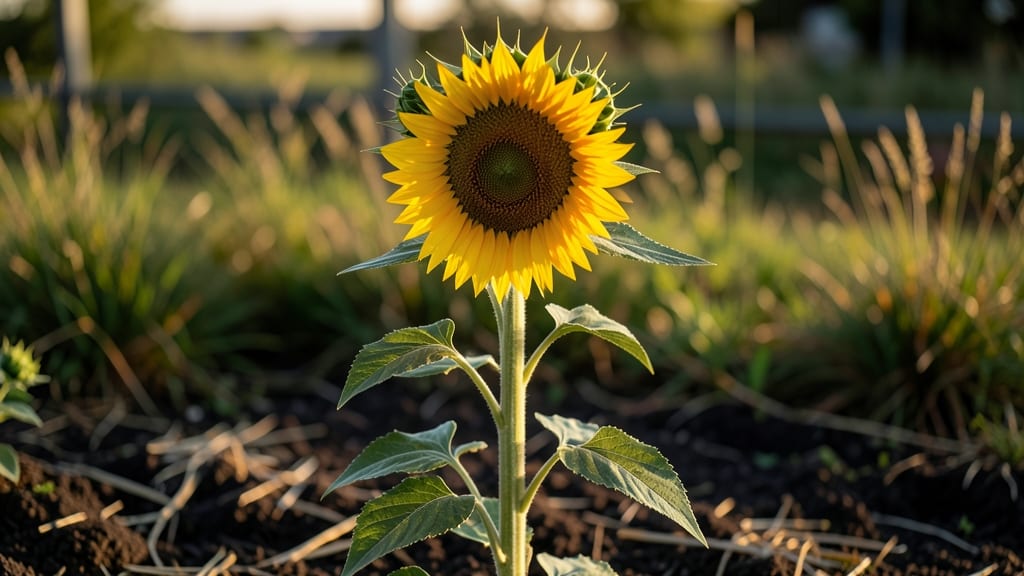
Sunflowers start to bloom between 50 and 120 days after planting, depending on the variety and growing conditions 🌻—and knowing this exact timeline is the key to enjoying their cheerful faces at the right time.
Picture this: you’ve spent weeks watching those tiny shoots push through the soil, only to wonder, When will the blooms finally appear? The answer isn’t one-size-fits-all, but with the right variety and care, you can push those towering flowers into full glory just in time for summer’s peak.
From dwarf varieties that pop up in as little as 50 days to giant sunflowers that take nearly four months, timing matters. Whether you’re growing for cut flowers, birdseed, or just pure garden joy, understanding the bloom window helps you plan for the best results.
Below, I’ll break down the exact days to expect blooms by variety, plus pro tips to accelerate flowering—so you can enjoy those golden faces sooner rather than later.
Sunflower bloom timeline by variety type: days to flowering
If you've ever wondered "when do sunflowers start to bloom", the answer depends entirely on the variety you're growing. Giant sunflowers like 'Mammoth' or 'Russian Giant' can take 80-120 days to flower, while dwarf varieties like 'Teddy Bear' or 'Little Becka' bloom in just 45-60 days.
Understanding these timelines helps you plan your garden for maximum impact—whether you're aiming for towering summer displays or quick seasonal color.
Sunflower blooming speed also varies based on whether you direct sow seeds or transplant seedlings. Direct-sown sunflowers often bloom slightly later because they spend extra time establishing roots, while transplants can hit their first bloom stage 7-10 days sooner.
Climate zone also plays a role: cooler regions may see delayed blooming, while warmer areas can push sunflowers to flower 2-3 weeks earlier.
| Variety Type | Days to Bloom (Direct Sow) | Days to Bloom (Transplant) | Mature Height | Bloom Notes |
|---|---|---|---|---|
| Giant (Single-Stem) | 80-120 days | 70-110 days | 8-16 ft | Longest bloom period; best for cut flowers |
| Standard (Single-Stem) | 60-90 days | 50-80 days | 5-10 ft | Classic garden height; great for pollinators |
| Dwarf (Multi-Branched) | 45-60 days | 35-50 days | 1-3 ft | Fastest bloomers; ideal for containers |
| Semi-Dwarf (Multi-Branched) | 50-70 days | 40-60 days | 3-6 ft | Balanced height; prolific blooms |
| Decorative (Multi-Branched) | 55-80 days | 45-70 days | 3-8 ft | Unique colors; shorter bloom duration |
For giant sunflowers, varieties like 'Autumn Beauty' or 'ProCut' are excellent choices if you want longer vase life and taller stems. These typically bloom between 90-110 days after planting, making them perfect for late-summer displays.
If you're growing for seed production, allow an extra 2-3 weeks after flowering for seeds to mature fully.
On the other hand, dwarf sunflowers like 'Teddy Bear' or 'Moulin Rouge' are ideal for small gardens or containers. They start blooming as early as 45 days, giving you quick color and the added bonus of multiple blooms per stem.
These varieties are also deer-resistant, making them a practical choice for rural areas.
Climate zone matters more than you might think. In USDA Zones 7-10, sunflowers planted in early spring (March-April) will typically bloom 4-6 weeks earlier than those planted in late spring.
For example, 'Russian Giant' sunflowers in Zone 9 might bloom by mid-July if planted in March, while the same variety in Zone 5 could wait until early August.
One common mistake gardeners make is overcrowding seedlings, which delays blooming. Sunflow
How to accelerate sunflower blooming: proven tips for faster flowers
If you're impatient like me, waiting for sunflowers to bloom can feel like an eternity—especially when you've got summer events or cut flower arrangements in mind. The good news?
With the right approach, you can shave weeks off the typical 50-120 day bloom timeline. Let’s dive into the science-backed methods that actually work.
First, planting time is everything. Sunflowers thrive in warm soil, so aim to sow seeds 2-3 weeks after your last frost date when soil temps hit 50°F (10°C). In most U.S. zones, this means late April to early May.
Early planting gives roots time to establish before the heat of summer, which directly impacts how quickly they bolt to flower.
🌱 5 Proven Ways to Speed Up Sunflower Blooming
- 🌞 Maximize sunlight: Ensure 6+ hours of full sun daily—even partial shade can delay blooms by 2-3 weeks.
- 💧 Deep watering: Water at the base (not leaves) 1-2 inches per week to prevent stress.
- 🌱 Rich, well-draining soil: Amend with compost and a balanced fertilizer (10-10-10) at planting.
- ✂️ Remove side buds: Pinch off smaller buds on multi-branched varieties to direct energy to the main bloom.
- 🌡️ Warmth matters: Use black plastic mulch to warm soil faster in cooler climates.
Sunlight is non-negotiable for sunflowers—they’re heliotropes, meaning they follow the sun. If your garden gets less than 6 hours of direct light, blooms will arrive late or not at all.
I’ve seen sunflowers in partial shade take up to 40 days longer to flower compared to their sun-soaked counterparts. A south-facing spot is ideal, but even west-facing areas work if they get unobstructed afternoon sun.
Watering strategy is another game-changer. Sunflowers hate wet feet but need consistent moisture during their first 6 weeks. I water mine deeply every 3-4 days (about 1-2 inches per week) rather than shallow daily doses.
This encourages strong root development, which translates to faster growth and earlier blooms. Pro tip: Use a soaker hose to water at the base and avoid wetting the foliage, reducing fungal risks.
Avoid these common mistakes that sabotage blooming speed: overcrowding (keep plants 12-24 inches apart), skipping fertilizer (a light feed at planting helps), or planting too early in cold soil (seeds rot below 50°F).
I once planted sunflowers in March in my zone 6 garden—big mistake! The cold soil delayed germination by 10 days, pushing back blooms by nearly a month.
For the fastest results, combine these tips with succession planting: Sow a second batch 4-6 weeks after the first. This ensures a continuous bloom cycle from midsummer through fall.
With the right conditions, you could see your first blooms as early as 60 days—cutting weeks off the typical timeline. Happy growing! 🌻