
Companion Plants
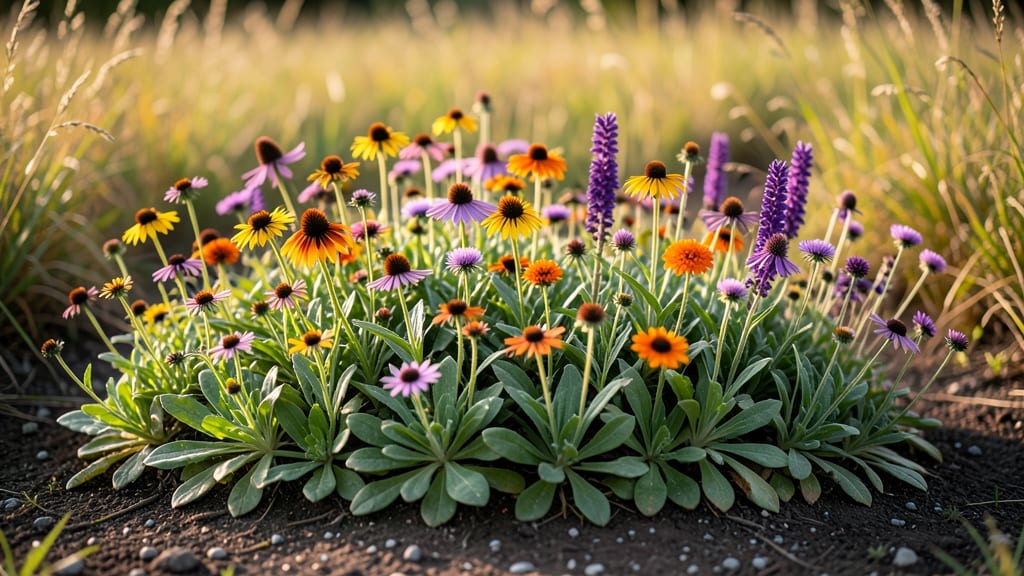
Plant wildflower seeds in Zone 7 during early spring or fall for the most vibrant blooms 🌼 — timing is everything to avoid frost damage or missed germination.
Picture this: you’ve scattered your seeds, only to watch them sit dormant or wash away in heavy spring rains because you planted too early. Or worse, they sprout just as the first frost hits in November.
The key to a garden teeming with color lies in knowing the exact months that work best for Zone 7’s climate.
Spring planting in March or April gives wildflowers a head start before summer heat arrives, while fall sowing in September or October ensures roots establish before winter. Both strategies beat the competition—weeds and pests—and set your garden up for year-round blooms with minimal effort.
Below, I’ll break down the best months for planting, how to prep your soil, and simple care tips to keep your wildflowers thriving. No guesswork, just guaranteed results for a pollinator-friendly paradise.
Best planting months for wildflower seeds in Zone 7 by season
Zone 7 gardeners know timing is everything when planting wildflower seeds. The difference between a lush meadow and a sparse patch often comes down to when you sow. In this region, soil temperatures and frost dates create distinct windows where seeds thrive.
Let’s break down the ideal months for each season, including why some work better than others.
Most wildflowers in Zone 7 prefer cooler soil temperatures, which is why fall planting often outperforms spring. However, spring and summer can still work for specific varieties. The key is matching seed types to the right seasonal conditions.
For example, annuals like cosmos love warm soil, while perennials like coneflowers establish better in cooler months.
Here’s your seasonal planting guide with exact months, soil needs, and microclimate tips for Zone 7:
| Season | Best Months | Soil Temp | Ideal Wildflowers | Why It Works |
|---|---|---|---|---|
| Spring | March–April | 45–60°F | Cosmos, Zinnias, Sunflowers | Warm soil triggers fast germination; avoids summer drought stress. |
| Summer | May–June | 65–75°F | Amaranth, Mexican Sunflower | Heat-loving annuals thrive; mulch to retain moisture. |
| Fall | September–November | 50–65°F | Coneflowers, Black-Eyed Susans, Goldenrod | Cooler temps reduce weed competition; seeds establish roots before winter. |
| Winter | December–February | Below 40°F | Bluebonnets (with snow cover) | Dormant seeds germinate in spring; protect with mulch. |
Spring planting in Zone 7 (March–April) is ideal for heat-loving annuals like cosmos and zinnias. The soil warms quickly after the last frost date (typically March 1–15), giving seeds a head start.
However, avoid planting too early—cold soil can delay germination or cause rot. For best results, wait until soil reaches 50°F at 2 inches deep.
Summer sowing (May–June) works for drought-tolerant varieties like Mexican sunflower. These plants thrive in Zone 7’s hot, dry conditions but require consistent moisture during establishment. Water deeply 2–3 times per week until seedlings sprout. Mulching with straw helps retain soil moisture and keeps roots cool.
Fall is the gold standard for wildflower planting in Zone 7. Seeds sown between September and November benefit from cool soil and reduced weeds. Perennials like coneflowers establish strong roots before winter, ensuring vibrant blooms next spring.
For late fall plantings (October–November), apply a light mulch to insulate seeds from freeze-thaw cycles.
Winter planting is rare but possible for cold-hardy varieties like bluebonnets. Sow seeds in December–February only if your Zone 7 area gets snow cover. The snow acts as insulation, protecting seeds until spring.
Avoid winter planting in warmer microclimates (e.g., urban heat islands), where seeds may sprout too early and die in late frosts
Microclimates in Zone 7 can shift planting windows by 2–4 weeks. For example, mountain slopes stay cooler longer, delaying spring plantings by 2–3 weeks compared to valley floors. Similarly, urban areas with pavement may experience earlier soil warming in spring. Use a soil thermometer to confirm temperatures before planting. Pro tip: Stagger your plantings by 2–3 weeks to extend blooms. For instance, sow half your seeds in April and the other half in early May. This creates a succession of color instead of one massive bloom followed by bare soil. The same strategy works for fall plantings—sow some in September and others in October for year-round interest. Remember, seed viability matters too. Store seeds in a cool, dry place and plant within 1–2 years of purchase for the best germination rates. With the right timing, your Zone 7 garden can burst with wildflower color from early spring to late fall.
How to extend your wildflower blooms year-round with strategic planting
Want a garden bursting with color every season? The secret lies in strategic planting—timing your wildflower seeds to create a succession bloom effect. In Zone 7, this means planting at different times to ensure flowers appear from early spring through late fall.
Start by choosing cool-season and warm-season varieties for maximum coverage.
Cool-season wildflowers like lupine and bluebonnet thrive when planted in late summer or early fall, while warm-season favorites such as black-eyed Susan and coneflower love spring planting. Layering seeds ensures no gaps in your garden’s blooming calendar, keeping pollinators fed year-round.
Here’s my proven 4-step plan to extend blooms across all seasons in Zone 7:
- Step 1: Plant cool-season wildflowers in September–October for spring blooms (March–May).
- Step 2: Sow warm-season varieties in March–April for summer–fall color (June–October).
- Step 3: Use succession planting—scatter seeds every 4–6 weeks to overlap blooms.
- Step 4: Overwinter seeds in December for early spring germination (test soil temps first!).
For continuous blooms, I recommend mixing annuals (like cosmos) with perennials (like bee balm). Annuals provide instant color, while perennials return year after year. For example, plant cosmos in April for summer blooms, then follow with salvia in June for late-season color.
Pro tip: Mulch lightly after planting to retain moisture and protect seeds from harsh Zone 7 winters. Use straw or shredded leaves—they’ll also suppress weeds and improve soil as they decompose. Avoid heavy mulch, which can smother emerging seedlings.
To track your progress, create a 12-month blooming calendar (download a free template here). Mark key dates like first frost (Nov 1), last frost (Mar 15), and peak bloom periods for each variety. This keeps you organized and ensures your garden stays vibrant all year.
With these strategies, you’ll enjoy nonstop wildflower magic—from spring’s delicate lupines to fall’s fiery black-eyed Susans—without gaps or dead zones. Happy planting! 🌼🌿