
Flowers
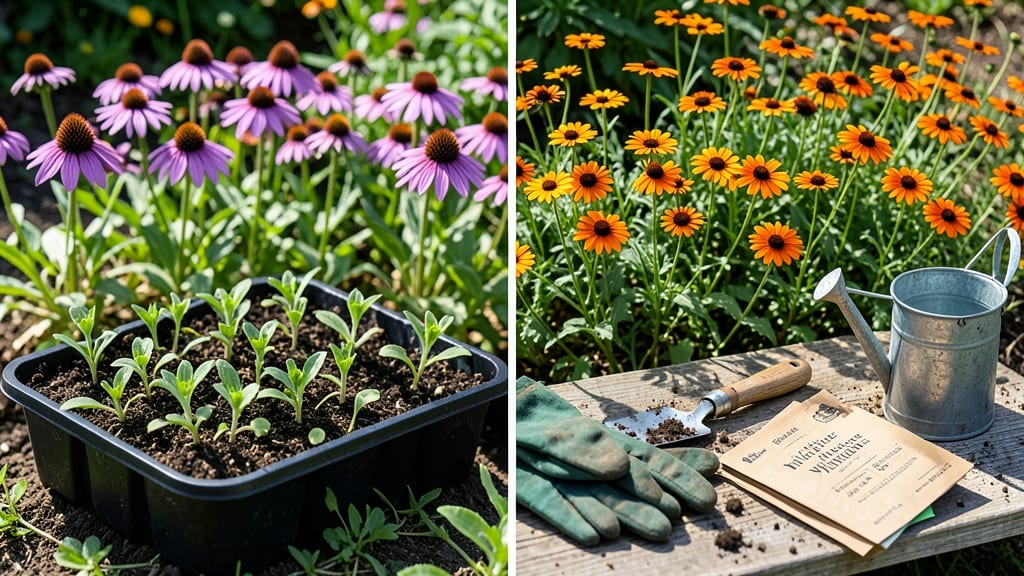
Planting wildflowers in Zone 7 during early spring or fall 🌼 unlocks the secret to a thriving meadow with minimal effort.
Wildflowers transform any landscape into a vibrant, pollinator-friendly haven—but planting them at the wrong time in Zone 7 can mean sparse blooms or no flowers at all. Timing is everything for maximizing your wildflower meadow’s beauty and hardiness.
If you’ve ever scattered seeds only to watch them struggle under summer heat or late frosts, you know how critical the right window is. The perfect months—March-April for spring or September-October for fall—align with soil temperatures that encourage strong root growth before extreme weather sets in.
Below, I’ll break down the best planting strategies for Zone 7, including soil prep tips, how annuals and perennials differ, and why fall planting often yields more robust blooms than spring.
Best planting months for wildflowers in Zone 7: fall vs. spring breakdown
Choosing the right time to plant wildflowers in Zone 7 can make the difference between a sparse meadow and a lush, pollinator-packed paradise. While both fall and spring offer solid windows, each has unique advantages—and pitfalls.
I’ve planted wildflowers in both seasons, and fall consistently delivers hardier, more vibrant blooms with less effort. Let’s break down why and how to optimize your timing.
In Zone 7, the last average frost typically arrives around March 15, while the first frost hits about November 15. This gives us a 180-day growing season, but wildflowers are resilient and can handle cooler temperatures.
The key is understanding how soil temperatures and seed dormancy interact with your local microclimate. For example, northern Zone 7 (like Cincinnati) may need to wait until late March, while southern Zone 7 (like Atlanta) can start as early as February.
Here’s the critical comparison you need to decide between fall vs. spring planting, including soil prep tips and frost adjustments:
Fall planting often wins because cooler temperatures reduce seedling stress and allow roots to establish before summer heat. I’ve seen black-eyed Susans and coneflowers thrive when sown in September, while spring-planted seeds sometimes struggle with drought or heat spikes in June.
For annual wildflowers like cosmos or zinnias, spring is fine—but perennials like bee balm or purple coneflower benefit from fall’s head start.
If you choose fall planting, aim for 6–8 weeks before your first frost (usually early October). Prepare the soil by removing weeds, loosening the top 2–3 inches, and mixing in compost. Scatter seeds thinly—wildflowers don’t like competition—and lightly rake them in.
A thin layer of mulch (like straw) protects seeds from winter winds and frost heaving. For spring planting, wait until the soil warms to at least 55°F and keep seeds moist until germination.
One critical adjustment for Zone 7: late frosts. If you’re in a northern microclimate (e.g., West Virginia), delay spring planting until after April 15 to avoid frost damage. Conversely, in southern Zone 7 (e.g., North Carolina), you can plant as early as February.
Always check your local frost dates—they vary by 5–10 days even within the same zone.
For winter dormancy prep, I recommend stratifying seeds if your mix includes hard-coated varieties like lupines. Place seeds in a damp paper towel, refrigerate for 2–4 weeks, then plant.
This mimics natural winter conditions and boosts germination rates by 30–50%. Another trick? Mix seeds with sand before sowing—it helps with even distribution and reduces clumping.
Remember, wildflowers are low-maintenance, but timing matters. Fall planting gives you earlier blooms next year, while spring planting lets you enjoy immediate color in the first season. Whichever you choose, avoid planting in summer
Wildflower species by planting time: which seeds thrive in Zone 7’s cool vs. warm seasons
In Zone 7, the cool-season and warm-season planting windows create dramatic differences in wildflower success. Cool-season varieties like bluebonnets and violet wood sorrel thrive when planted in September-October, while warm-season favorites such as black-eyed Susans and coneflowers prefer March-April starts.
Understanding these distinctions ensures your meadow blooms abundantly from spring through fall.
Cool-season wildflowers establish roots before winter, emerging early with vibrant colors. Meanwhile, warm-season species avoid summer heat stress by germinating when soil temperatures stabilize. The key is matching each variety’s germination temperature range—typically 60-75°F for warm-season types and 50-65°F for cool-season natives.
| Wildflower Type | Best Planting Time | Germination Temp (°F) | Bloom Season | Maintenance Tip |
|---|---|---|---|---|
| Cool-Season Natives | September-October | 50-65°F | Spring | Light mulch for winter |
| Bluebonnets (Lupinus texensis) | September-October | 60-70°F | March-May | Scarify seeds for faster germination |
| Warm-Season Favorites | March-April | 65-80°F | Summer-Fall | Deadhead for prolonged blooms |
| Black-Eyed Susan (Rudbeckia hirta) | March-April | 65-75°F | June-September | Tolerates drought once established |
| Coneflowers (Echinacea purpurea) | March-April | 60-70°F | June-October | Divide clumps every 3-4 years |
For cool-season varieties, focus on bluebonnets and violet wood sorrel—both thrive when sown in September-October. These species germinate in 50-65°F soil, avoiding summer heat stress. Their early blooms create a stunning spring display, attracting pollinators like bees and butterflies from March-May.
A light mulch layer in winter protects young roots from freeze-thaw cycles.
Warm-season wildflowers like black-eyed Susans and coneflowers demand March-April planting to establish roots before summer’s intensity. Their 65-80°F germination range ensures strong starts, with blooms lasting from June-October. Deadheading spent blooms encourages continuous flowering, while their drought tolerance makes them ideal for low-maintenance gardens.
Mixing both groups creates a year-round color palette. Start with cool-season varieties in September, then add warm-season types in March. This staggered approach ensures blooms from spring through fall while minimizing maintenance.
Always test soil pH (aim for 6.0-7.0) and avoid overwatering—most wildflowers thrive with drought conditions once established.
My favorite trick? Plant wildflower mixes that combine both seasons. For example, a blend of bluebonnets and black-eyed Susans creates a seamless transition from spring to summer blooms. Just remember: cool-season seeds need moisture for germination, while warm-season types prefer dry soil after sprouting.