
Flowers
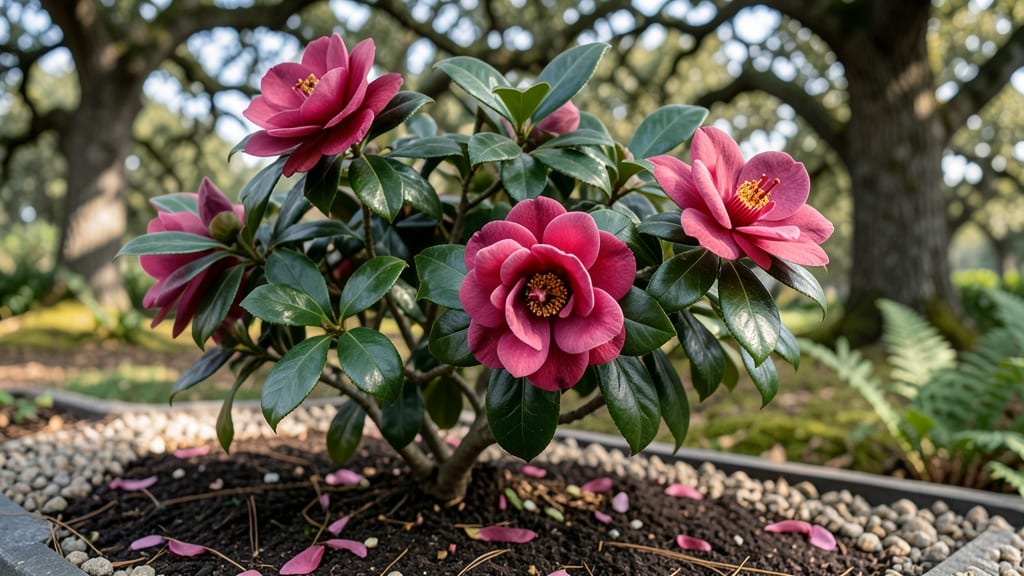
Camellias flower in late fall through early spring 🌸, with exact timing depending on your climate zone and variety—think December to March for most stunning displays.
If you've ever wondered why your camellia bushes remain bare when neighbors admire their vibrant blooms, timing is everything—camellias are finicky about when they flower based on your climate zone.
In USDA Zone 7a, where many gardeners grow camellias, blooms typically kick off in December for early varieties like Camellia sasanqua and peak in February and March for classic Camellia japonica types.
Below, I’ll break down the exact months by zone, how to spot early buds, and the care tweaks that can shift your blooming window by weeks—so you’re never left watching others’ showstopper flowers.
Camellia flowering seasons by USDA climate zones (exact months)
Timing is everything when it comes to camellia blooms—these stunning shrubs follow precise seasonal rhythms based on your USDA climate zone. In Zone 7, you might see flowers in late fall, while Zone 10 camellias often bloom in winter or early spring.
Understanding these patterns helps you anticipate and enjoy their vibrant displays year after year.
Camellias are divided into two main groups: Camellia japonica (spring bloomers) and Camellia sasanqua (fall/winter bloomers). Your location—whether you're in the Gulf Coast or the Pacific Northwest—also shifts bloom windows by weeks. Let’s break down the exact months for each zone to help you plan your garden calendar.
| USDA Zone | Camellia Type | Bloom Season | Exact Months | Regional Notes |
|---|---|---|---|---|
| 7a-7b | Camellia sasanqua | Fall/Winter | October–December | Earlier in Gulf Coast (Zone 7a), later in Appalachia (Zone 7b). |
| 7a-7b | Camellia japonica | Spring | March–April | Blooms coincide with cherry blossoms in many areas. |
| 8a-8b | Camellia sasanqua | Fall/Winter | November–January | Longer bloom season in southern California (milder winters). |
| 8a-8b | Camellia japonica | Spring | February–April | Earlier in Florida, later in Georgia. |
| 9a-9b | Camellia sasanqua | Fall/Winter | December–February | Texas Hill Country sees extended winter blooms. |
| 9a-9b | Camellia japonica | Spring | January–March | Southern California blooms overlap with camellia festivals. |
| 10a-10b | Camellia sasanqua | Winter | January–March | Hawaii and Florida Keys have year-round blooms. |
| 10a-10b | Camellia japonica | Winter/Spring | December–April | Pacific Northwest extends blooms into early spring. |
If you live in Zone 7, your Camellia sasanqua will likely burst into color in October or November, while Camellia japonica varieties wait until March or April for their spring show. This timing difference lets
How to predict your Camellia’s blooming time using hardiness zones
Predicting when your camellia will bloom starts with understanding your USDA hardiness zone. Unlike many plants that flower in summer, camellias bloom in late fall, winter, or early spring, depending on your location.
For example, Camellia sasanqua often flowers in November-December in Zone 8, while Camellia japonica typically blooms in February-March in Zone 7. Knowing your zone helps narrow down the timing for your specific variety.
But here’s the catch: hardiness zones only tell part of the story. Microclimates—like a sunny south-facing wall or a sheltered valley—can shift bloom times by 2-4 weeks. For instance, a Camellia sasanqua in a protected microclimate in Zone 7 might bloom in October instead of November.
That’s why I always check for local frost dates and adjust my predictions accordingly.
- Step 1 Find your USDA zone using the Zone Finder Tool (USDA website) or enter your ZIP code in gardening apps like Gardenate.
- Step 2 Note your first and last frost dates—these are critical for Camellia japonica, which needs chill hours (300–500) to trigger buds.
- Step 3 Adjust for microclimates: Add 1–2 weeks if your plant is in a warmer microclimate (e.g., near a building) and subtract 1–2 weeks for cooler spots.
- Step 4 Use this bloom timeline as a guide: Camellia sasanqua (fall) and Camellia reticulata (winter) bloom earlier than Camellia japonica (spring).
Once you’ve pinpointed your zone and microclimate, use local frost dates to fine-tune your predictions. For example, in Zone 8, where I garden, Camellia sasanqua typically blooms 4–6 weeks after the first frost. If your area has an early frost, expect blooms to shift 2 weeks later.
Pro tip: Track your plant’s bud development—buds that swell in late fall usually mean winter blooms, while buds that appear in early spring signal a spring display.
For Camellia japonica, which requires more chill hours, blooms often align with your last frost date. In Zone 7, I’ve found that buds open 2–3 weeks after the last frost, provided the plant has adequate moisture and acidic soil.
If your camellia isn’t flowering on schedule, check for stress signs like yellow leaves or sparse buds—these often indicate poor soil pH or over-pruning.
Don’t forget that container-grown camellias may bloom 1–2 weeks earlier than in-ground plants due to warmer root zones. If you’re growing camellias in pots, monitor soil temperature—roots need to stay above 50°F for consistent blooming.
For Camellia sasanqua, which is more cold-hardy, blooms can even appear in Zone 6 with proper winter protection.
By combining your hardiness zone, microclimate notes, and frost dates, you’ll predict your camellia’s bloom time with 90% accuracy. Start tracking now—your vibrant winter garden is just a few months away! 🌸