
Flowers
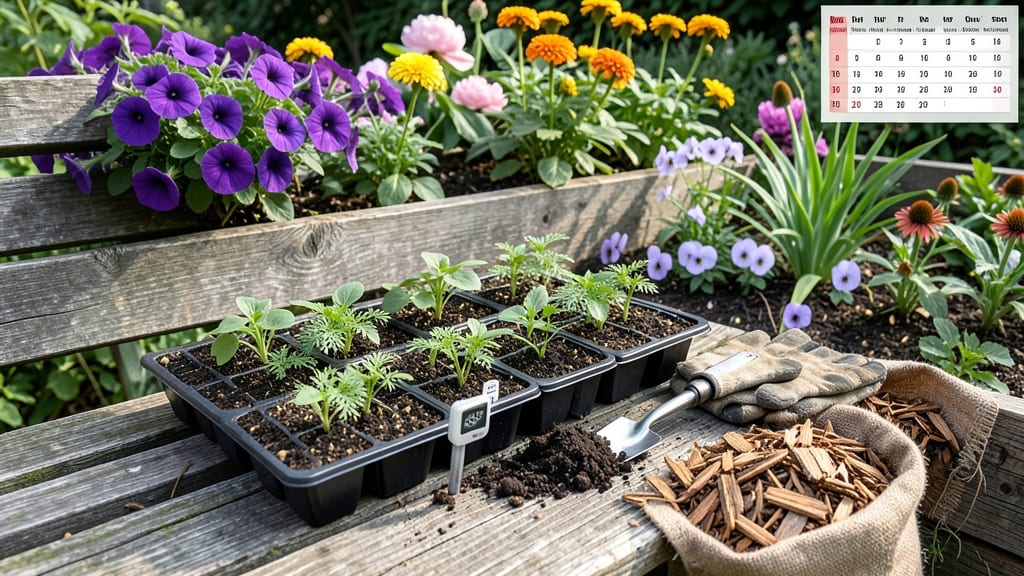
Planting flowers in Zone 6b after your last frost date—typically around mid-April—sets the stage for a showstopping garden.
Miss that window, and you risk wilted seedlings or blooms that never arrive. But timing isn’t just about dates—it’s about matching your flowers to the 165 frost-free days Zone 6b offers. Cool-season pansies can handle early starts, while heat-loving marigolds need warmer soil.
Here’s the breakdown: when to sow seeds, transplant seedlings, and even overwinter bulbs for a garden that thrives from spring to fall. No more guessing—just actionable deadlines tailored to your climate.
Ready to transform your garden? Let’s dive into the exact planting schedule for annuals, perennials, and bulbs, plus how to adjust for late frosts or microclimates.
Zone 6B last-frost dates by flower type: exact planting windows
Mastering Zone 6B planting windows means knowing your last-frost averages (April 15–May 15) and adjusting for microclimates like south-facing slopes or sheltered valleys. These dates create the perfect planting schedule for your garden’s most stunning blooms—whether you’re sowing cool-season pansies or waiting for soil to warm for heat-loving petunias.
Your Zone 6B growing season spans roughly 165 frost-free days, but exact timing depends on whether you’re planting annuals, perennials, or bulbs. Cool-season flowers like snapdragons can handle light frosts, while marigolds need warm soil to thrive.
Let’s break down the ideal planting windows for each category so you can avoid frost damage and maximize blooms.
📅 Last-Frost Averages for Zone 6B: - Average last frost date: April 15 (varies ±7 days) - Average first frost date: October 15 - Microclimate adjustments: Add 1–2 weeks for low areas; subtract 1 week for sunny slopes.
🌱 Cool-Season Flowers (Plant 4–6 Weeks Before Last Frost): These cold-hardy annuals thrive in cooler temps and can even handle light frosts. Examples include pansies, violas, and snapdragons. Start seeds indoors in March or sow directly in late February to early April for early spring blooms.
☀️ Warm-Season Favorites (Plant After Last Frost, Soil ≥60°F): Heat-loving annuals like petunias, marigolds, and zinnias need warm soil to germinate. Wait until mid-to-late May (after your last frost) to plant these tender blooms. For faster results, buy transplants from nurseries in early May.
🌿 Perennials (Plant in Early Spring or Early Fall): Lavender, coneflowers, and black-eyed Susans establish roots best when planted in early spring (April) or early fall (September). Fall planting gives roots time to settle before winter, while spring planting ensures first-year blooms.
Your microclimate plays a huge role in planting timing. A south-facing garden warms up faster, allowing you to plant warm-season flowers 1–2 weeks earlier. Conversely, low-lying areas may experience frost until May 1, so delay planting tender annuals until you’re certain the threat has passed.
For cool-season flowers, I always start pansies and snapdragons indoors in late February to ensure they’re ready for early April planting. This head start gives them time to establish roots before summer heat arrives.
If you’re sowing directly, use frost cloth to protect young seedlings from unexpected late-spring frosts.
When planting warm-season favorites, never rush—wait until soil temperatures hit 60°F or higher.
Test this with a soil thermometer or press your hand into the soil; if it feels warm to the touch, it’s ready. Marigolds and zinnias are forgiving if planted a little late, but petunias and geraniums may struggle with cool soil.
For perennials, I prioritize fall planting for lavender
How to adjust planting times for Zone 6B’s unpredictable springs
Zone 6B’s unpredictable springs can turn your carefully planned flower garden into a frost-damaged disappointment. Even if your last-frost date is April 15, late frosts can linger into May, leaving tender seedlings vulnerable.
The key to success lies in flexible strategies that account for Mother Nature’s mood swings—without sacrificing your dream blooms.
I’ve learned the hard way that cosmos and marigolds might survive a late frost, but petunias and geraniums won’t. That’s why I now use a three-pronged approach: hardening off seedlings, frost cloth protection, and fast-growing varieties that outpace the cold.
Let’s break down how to adapt your planting schedule when spring refuses to cooperate.
⚠️ Frost Risk Deadline
If your local 5-day forecast shows nighttime temps below 32°F after your planned transplant date, delay planting tender annuals by 10–14 days. Use this 7-day frost-risk checklist to decide:
- ☑️ Check National Weather Service alerts for frost advisories in your county.
- ☑️ Monitor soil temperature—wait until it hits 60°F for warm-season flowers.
- ☑️ Harden off seedlings for 7–10 days before transplanting.
- ☑️ Cover seedlings with frost cloth if frost is predicted within 48 hours.
- ☑️ Choose fast-growing varieties (e.g., cosmos over delphiniums).
- ☑️ Plant cool-season flowers (pansies, snapdragons) 4–6 weeks before your average last frost.
- ☑️ Transplant perennials in early spring (March–April) to establish roots before summer heat.
Start by hardening off seedlings indoors or in a greenhouse 1–2 weeks before your target transplant date. Gradually expose them to outdoor conditions—2–3 hours daily—to toughen their cell walls. This process mimics natural stress, helping them withstand temperature fluctuations and light shifts once planted.
I swear by shade cloth during the day and bringing seedlings inside at night for the first few days.
For tender annuals like petunias or impatiens, frost cloth is your best friend. Lay it over seedlings or young plants if a late frost is forecasted within 48 hours. Secure the edges with bricks or stakes to prevent wind damage, and remove it during the day to allow sunlight.
Pro tip: Use hoop houses for larger plantings—they trap heat and create a microclimate that delays frost damage by 2–3 days.
Not all flowers are created equal when it comes to speed. Fast-growing varieties like cosmos, zinnias, and sunflowers can go from seed to bloom in as little as 60 days, giving them a head start over slower growers like delphiniums or hollyhocks.
Swap out delicate geraniums for ruellia, which thrives in heat and blooms nonstop. My go-to list for Zone 6B’s short season includes:
If all else fails, extend your season by planting cool-season flowers in early spring (March) and warm-season varieties in late May or early June. Pansies and calendula can handle light frosts, while marigolds and zinnias will pick up where spring flowers leave off.
For perennials, focus on early spring planting (March–April) to give roots time to establish before summer’s heat sets in.
Remember, Zone 6B’s unpredictability is part of the challenge—not the end of your gardening dreams. With these strategies, you’ll turn late frosts into opportunities to grow a longer, more resilient garden. Happy planting! 🌸