
Flowers
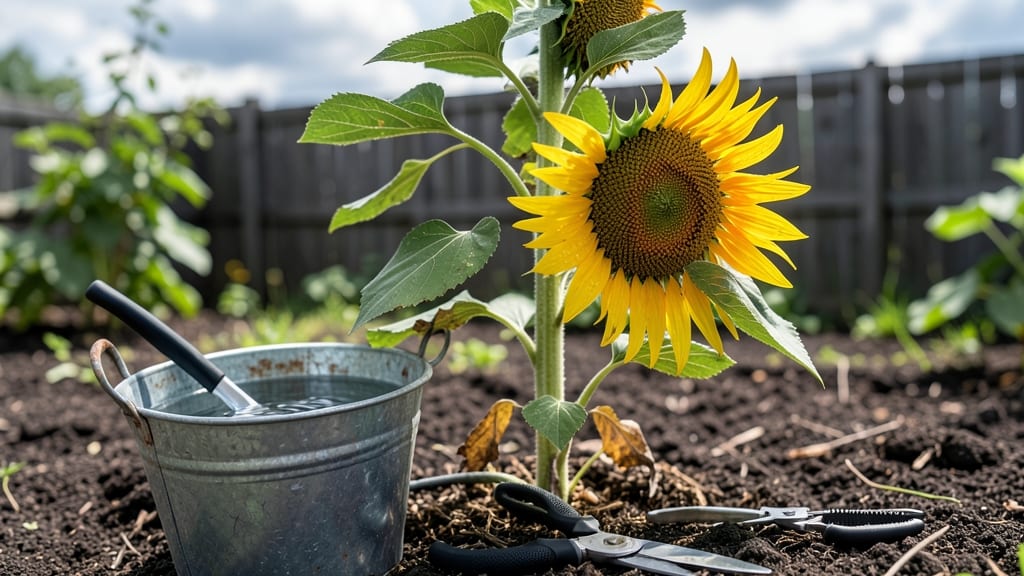
Harvesting sunflowers for cut flowers at the right time turns your garden into a vase-life goldmine—just don’t wait until the petals start drooping!
Picture this: a bright yellow 🌻 sunflower with petals fully unfurled but still crisp, its center tight and golden. That’s your sweet spot—cut it now, and your bouquet will last 7+ days with proper care. Miss it, and you’re left with floppy stems and wilted dreams.
Timing matters more than you think. The best time to harvest is on a cool morning after the dew dries, when stems are fully hydrated and ready for the vase.
But here’s the secret: the back of the petals should turn yellow, not green, and the flower head must be fully open but not yet browning.
In this guide, I’ll walk you through the 4 visual cues to pick sunflowers at peak freshness, how to prep them for maximum vase life, and when to harvest by season—so your bouquets stay stunning from July through September.


4 Visual cues to harvest sunflowers for long-lasting cut flowers
Sunflowers reach their peak beauty just before they fully mature, making timing everything for cut flower arrangements. Harvest too early, and your stems will wilt faster—too late, and the petals lose their vibrancy.
The secret lies in observing four key visual cues: petal color, center maturity, stem flexibility, and leaf health. These signals ensure your bouquets last 7+ days in vases.
Most gardeners focus on petal color, but the cone (center disc) and lower leaves hold hidden clues too. A fully formed center disc and healthy foliage guarantee the flower will drink up water like a sponge, extending its vase life dramatically.
Let’s break down each cue so you never miss the perfect moment to snip.
-
1. Petals Flat & Yellow-Backed
Petals should be fully open and flat against the head. The back of petals turns from green to dull yellow—this means sugar production peaks. -
2. Tight, Fully Formed Center Disc
The center cone should be tight and fully developed, with no gaps. If it’s loose or brown, the flower has passed its prime. -
3. Stem Snaps with Resistance
Bend the stem near the base. It should snap cleanly (not bend or tear). This signals the plant has fully translocated nutrients to the bloom. -
4. Lower Leaves Are Healthy
Check the bottom 3-4 leaves. They should be green and free of spots. Yellow or wilted leaves mean the plant is stressed, reducing vase life.
Pay special attention to the center disc, often overlooked by beginners. A tight, golden-brown cone indicates the flower has completed its sugar production, which is crucial for hydration.
If you see black or moldy spots on the disc, the flower is past its prime and will wilt faster in arrangements.
Another sneaky cue is the stem’s flexibility. A mature stem should snap with resistance when bent—this means the plant has fully translocated nutrients to the bloom. If the stem bends without snapping, the flower is still feeding on the plant and won’t last long in a vase.
This test takes just seconds but saves you from cutting blooms too early.
The lower leaves also tell a story. Healthy, green foliage ensures the stem can absorb water efficiently. If you spot yellowing or wilting leaves, the plant is under stress, which directly impacts how long your cut flowers will last.
Always harvest from the healthiest-looking plants in your garden for the best results.
Timing your harvest based on these cues guarantees vase life of 7+ days, even in hot climates. For example, my ‘Moulin Rouge’ sunflowers harvested at the yellow-back petal stage lasted 10 days in a vase with fresh water changes every 2 days.
The difference between a 3-day and 10-day bouquet comes down to these simple visual checks.
One common mistake is waiting until the petals are fully brown. By then, the flower’s water-absorbing ability drops dramatically. Instead, aim for that transition phase—when petals are flat and slightly yellowing on the back. This is the sweet spot for both beauty and longevity.
Pro tip: Use a sharp pair of pruners or clean scissors to cut stems at a 45-degree angle. This increases the surface area for water absorption, giving your sunflowers an extra boost of hydration.
Pair this with a bucket of water immediately after cutting to keep stems hydrated until you arrange them.
Now that you’ve mastered the visual cues, your sunflower bouquets will be the showstopper of any room. The key is observation—spend a few minutes checking each bloom before cutting, and you’ll never settle for less than peak freshness. Happy harvesting! 🌻
Best time of day and seasonal factors for harvesting sunflowers
Harvesting sunflowers at the wrong time can turn your stunning golden blooms into sad, drooping decorations. The early morning is your golden window—between 6 AM and 9 AM—when stems are fully hydrated and ready for cutting.
This timing ensures maximum vase life, as cooler temperatures prevent wilting and keep the stems crisp for your arrangements.
Seasonal heat plays a sneaky role too. In peak summer months (July-August), sunflowers mature faster due to longer daylight hours. If you notice blooms opening 2-3 days earlier than usual, adjust your harvest schedule accordingly.
Heat stress can also cause petals to brown prematurely, so always check the back of petals for that telltale yellow shift.
Different sunflower varieties demand slightly different attention. Giant varieties (like 'Mammoth') take 90+ days to mature, while dwarf types (like 'Teddy Bear') bloom in just 50-60 days. Wild sunflowers often have shorter vase life—harvest them 1-2 days earlier than their cultivated cousins to preserve freshness.
🌻 Harvest Timing Guide by Variety & Season
| Factor | Giant Varieties | Dwarf Varieties | Wild Types |
|---|---|---|---|
| Best Time of Day | 6-9 AM | 6-9 AM | 5-8 AM |
| Peak Season | Mid-July to August | Late June to July | Early July to Mid-August |
| Heat Adjustment | Harvest 1 day early | Harvest 2 days early | Harvest immediately |
| Stem Length | 3-5 feet | 1-2 feet | 1.5-3 feet |
| Vase Life Tip | Recut stems to 18" | Recut stems to 12" | Use floral preservative |
Don't let the first frost catch you off guard—sunflowers become more brittle in cooler weather. If temperatures drop below 50°F at night, harvest any remaining blooms 24 hours before frost to prevent stem damage.
Store them in a cool, dark place overnight before arranging, as this mimics their natural morning hydration cycle.
Pro tip: If you're harvesting for a long-distance delivery, wrap stems in damp paper towels and place them in a plastic bag. This trick keeps them fresh for up to 48 hours before arranging—perfect for farmers' markets or gifts.
Just remember, the sooner you cut, the longer they'll last in your vase.
Now that you've mastered the when, your next challenge is the how. Always use sharp, clean shears to avoid crushing stems, and never harvest when petals are fully brown—this is your plant's way of saying "too late!"
With these seasonal secrets, your sunflower bouquets will stay vibrant and cheerful for weeks to come. 🌻