
Aphids
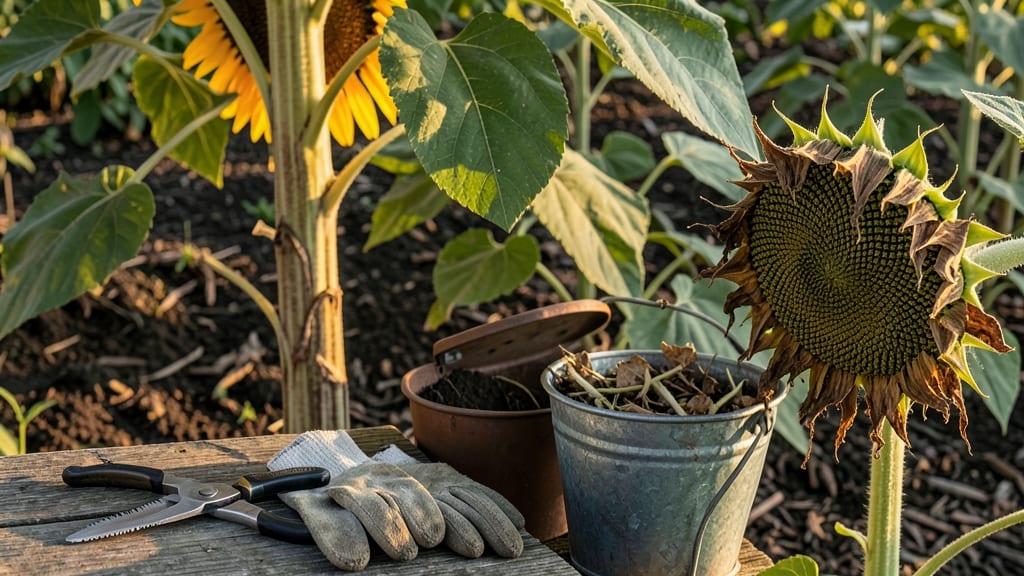
Cut down sunflowers when their flower heads turn fully brown and papery 🌻 — usually 80-100 days after planting, depending on your variety and climate.
Picture this: your towering 🌻 sunflowers have spent all summer soaking up sunlight, and now the back of their heads has turned a dull yellow-brown. That’s your cue—wait any longer, and birds or frost might beat you to the seeds.
Timing matters because harvesting too early means underdeveloped seeds, while waiting too long risks mold or wildlife stealing your crop. The key is watching for those dry, brittle petals and a hollow-sounding head when tapped.
In this guide, I’ll walk you through the exact signs to look for, how to harvest without losing yield, and whether to leave stalks for birds or compost the greens—so you never miss a season again.
How to identify the perfect time to cut down sunflowers for seed harvest
Harvesting sunflower seeds at the right moment transforms your garden into a nutrient-rich bounty. But knowing when to cut down these towering beauties can feel like guessing—until you learn the tactile and visual cues that signal peak maturity.
The difference between plump, viable seeds and shriveled disappointment often comes down to timing, weather, and careful observation.
Sunflowers follow a predictable life cycle, but environmental factors like humidity, temperature swings, and even local pests can shift your harvest window. That’s why mastering these three key indicators—flower head dryness, seed color changes, and leaf behavior—will ensure you never miss the perfect moment to harvest again.
Start by examining the back of the flower head—this is where the seeds mature first. When the yellow-brown hue replaces green, it’s a clear sign that seeds are nearing readiness.
Gently press a seed between your fingers; if it feels hard and dry (not soft or damp), you’re on the right track. This tactile test is especially useful for dwarf varieties, which mature faster than their towering cousins.
Watch for the petals' transformation too. When they turn from vibrant yellow to brown and brittle, it’s nature’s way of saying, "Time to harvest!" Some gardeners mistakenly wait until petals fall completely, but by then, seeds may have already shriveled or sprouted.
Aim to cut when 70-80% of petals have browned—this gives you a 3-day window for perfect timing.
Don’t overlook the leaves, which often signal seed readiness before the flower head does. Look for yellowing lower leaves while upper leaves remain green—a classic sign of nutrient redistribution to the seeds.
If leaves start dropping en masse, you’ve missed the window and may face lower-quality seeds. In my garden, I mark stalks with colored flags when I spot these signs to avoid forgetting.
Timing also depends on your local climate. In hot, dry regions, sunflowers may mature in 60-70 days, while cooler zones could take 90+ days.
Check your seed packet for days-to-maturity and adjust your harvest calendar accordingly. Pro tip: Plant a test row 2 weeks earlier to gauge your local timeline.
One common mistake is waiting for seeds to pop out easily—this actually means they’re overripe! By this stage, seeds may have lost viability or attracted pests like squirrels.
Instead, aim for seeds that stay firmly attached when you gently shake the head. If seeds rattle loudly, they’re ready for harvest.
Finally, consider weather forecasts in your harvest planning. If a heavy rain or early frost is predicted within 5 days, prioritize harvesting even if seeds aren’t fully dry. You can always accelerate drying indoors with a fan or dehumidifier, but you can’t recover seeds lost to weather damage.
With these cues in mind, you’ll never second-guess your sunflower harvest again. The key is observation and action—once you spot those yellow-brown backs and brittle petals, grab your pruners and celebrate your homegrown bounty! 🌾
Step-by-step guide to harvesting sunflower seeds without losing yield
Once your sunflower heads reach maturity, harvesting the seeds properly ensures a high-quality yield. The key is patience—waiting until the seed heads are fully dry prevents mold and spoilage. I’ve learned that cutting too soon means underripe seeds, while waiting too long risks losing seeds to birds or rain.
Let’s walk through the exact steps to maximize your harvest without waste.
Before you begin, gather your tools and supplies. You’ll need sharp pruning shears or a knife, a clean bucket or paper bags, and a dry, well-ventilated space. Avoid cutting on damp days, as moisture can accelerate spoilage.
I always work on a clear morning when the air is dry, ensuring the best conditions for seed preservation.
Step-by-Step Sunflower Seed Harvest
- 1 Choose the right time: Harvest when the back of the flower head turns yellow-brown and the petals have dried completely. Gently shake the head—if seeds rattle inside, they’re ready.
- 2 Cut the stem: Use clean shears to cut the stem about 1-2 feet below the flower head. Leave a small portion of the stem attached to help with drying.
- 3 Hang to dry: Suspend the flower heads upside down in a dry, shaded area with good airflow. A garage or barn works well. Avoid direct sunlight to prevent overheating.
- 4 Dry completely: Wait 1-2 weeks until the seed head feels light and the seeds rattle easily. If any seeds remain damp, extend drying time to prevent mold.
- 5 Remove seeds: Rub the dried flower head between your hands or use a fork to gently scrape out the seeds. Store them in a paper bag or airtight container in a cool, dark place.
After drying, I always remove any chaff or debris from the seeds using a fine mesh sieve. This step ensures clean, high-quality seeds for planting or snacking. Store your seeds in a cool, dry place to maintain viability for up to a year.
If you’re saving seeds for next season, label them with the variety and harvest date.
One tip I’ve learned is to leave a few sunflower stalks standing for birds to enjoy. This not only supports local wildlife but also reduces seed loss from hungry critters. Just be sure to harvest the majority of your crop before the birds get too eager!
If you notice mold or musty smells during drying, your seeds may be spoiling. In this case, discard the batch and try again with fresher heads. Proper drying is the most critical step—rushing it can ruin your entire harvest.