
Plants
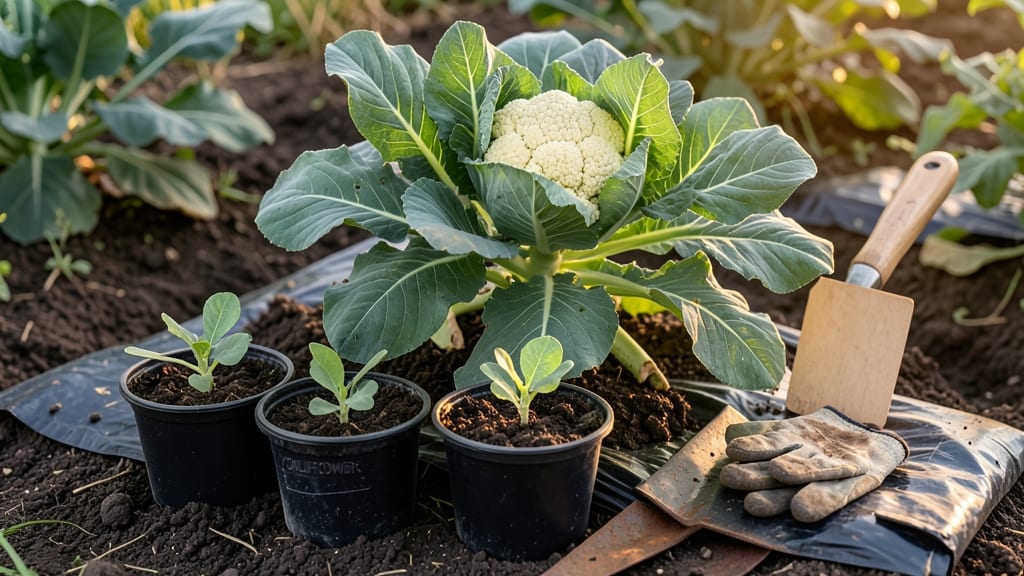
Planting cauliflower in Ohio requires precise timing to outsmart the state’s fickle frost dates and deliver crisp, flavorful heads before the first chill.
Ohio’s unpredictable frost dates can turn your cauliflower dreams into a risky gamble—but timing it right guarantees harvests that rival the grocery store. Whether you’re a first-time gardener or a seasoned pro, knowing the exact planting windows is the key to avoiding bolted plants or frozen crops.
In Ohio’s USDA Zone 6a, the sweet spot for spring planting is March 15 to April 15, while fall crops thrive when sown between August 1 and September 1.
These windows align with the last frost date (around April 15) and give your 🥬 cauliflower enough time to mature before winter sets in.
Below, I’ll break down the optimal months for both spring and fall crops, share soil prep secrets to jumpstart growth, and reveal how to stretch your harvest with row covers and cold-hardy varieties. Ready to grow like a local?
Ohio’s cauliflower planting calendar: exact months by frost zone
Ohio’s USDA zones 5-7 create a perfect window for growing cauliflower, but getting the timing wrong means frost-killed plants or bitter-tasting heads. The key? Planting 4-6 weeks before your last frost date in spring and August-September for fall harvests.
Let’s break it down by zone so you can avoid common mistakes and maximize your yield.
Most of Ohio falls into USDA zones 5b-7a, with last frost dates ranging from early April in the north to mid-April in the south. For spring planting, start seeds indoors 6-8 weeks before transplanting (typically late February to early March).
For fall crops, sow seeds directly in early August to ensure heads mature before the first frost in mid-October.
Here’s your Ohio cauliflower planting calendar by zone, including transplanting windows and heat-tolerant varieties that thrive in Ohio’s summer heat:
| Zone | Last Frost | Spring Planting Window | Fall Planting Window | Heat-Tolerant Varieties |
|---|---|---|---|---|
| 5b (Northern Ohio) | April 15 | March 15 - April 1 | August 1 - August 15 | ‘Snowball Y Improved’ |
| 6a (Central Ohio) | April 10 | March 1 - April 10 | August 1 - September 1 | ‘Purple of Sicily’ |
| 7a (Southern Ohio) | April 5 | February 28 - April 15 | August 15 - September 10 | ‘Romanesco’ |
For spring planting, use cold-hardy varieties like ‘Snowball Y Improved’—they tolerate Ohio’s chilly early springs better than heat-sensitive types. Transplant seedlings when soil temps reach 45°F (7°C) and nighttime temps stay above 50°F (10°C).
In USDA zone 7a, you can even try an early February start indoors for a jump on the season.
Fall planting is trickier because Ohio’s summers are hot. Choose heat-tolerant varieties like ‘Purple of Sicily’ or ‘Romanesco’ to avoid bolting (premature flowering). Direct-sow seeds in early August for a late October harvest before frost hits.
If you’re in zone 5b, aim for August 1—any later, and heads won’t mature in time.
Pro tip: Use row covers in early spring or late fall to extend your season by 2-3 weeks. This is especially helpful in northern Ohio (zone 5b), where frosts can linger into May. Just remove covers when temps rise above 80°F (27°C) to avoid overheating.
Ohio’s humid summers can stress cauliflower, so prioritize well-draining soil and consistent moisture. Mulch with straw to keep roots cool and retain moisture—this is critical in July and August when heat waves hit.
Avoid overhead watering to prevent fungal diseases like downy mildew, which thrives in Ohio’s damp climate.
Timing your second planting in late summer is key for a fall harvest. If you miss the August window, try succession planting every 2 weeks until early September. Just remember: cauliflower needs 70-100 days to mature, so late plantings won’t make it to harvest before frost.
For extended harvests, interplant with fast-maturing varieties like ‘Graffiti’ (45-50 days) alongside slower growers. This way, you’ll have continuous harvests from June through November if you plan carefully. Just keep an eye on local frost forecasts
How to extend Ohio’s cauliflower season: row covers, succession planting, and cold-hardy varieties
Ohio’s short growing season doesn’t have to limit your cauliflower harvests. With the right strategies, you can enjoy crisp heads from late spring through early winter. The key lies in row covers, succession planting, and selecting cold-hardy varieties that thrive in Ohio’s USDA zones 5-7.
These methods let you push harvests 2-3 weeks later than traditional planting windows.
For spring gardeners, row covers create a microclimate that protects young plants from late frosts. In fall, they shield maturing heads from early cold snaps. Meanwhile, succession planting every 2 weeks ensures a steady supply of fresh cauliflower.
Don’t overlook cold-hardy varieties like ‘Snowball Y Improved’, which tolerates 25°F temperatures, or ‘Purple of Sicily’, which adds color and flavor to your garden.
Here’s the breakdown of when and how to use these techniques for maximum success in Ohio’s climate:
Extend Your Cauliflower Season
- Row covers add 5-10°F protection
- Succession planting ensures continuous harvests
- Cold-hardy varieties survive light frosts
- Fall crops mature before first frost
- Row covers require sturdy stakes
- Succession planting demands space management
- Cold varieties may have smaller heads
- Late fall crops need extra attention
- ‘Snowball Y Improved’
- ‘Early Snowball’
- Row covers for late March starts
- ‘Purple of Sicily’
- ‘Graffiti’ (ornamental)
- Succession plant until mid-September
Start by planting ‘Snowball Y Improved’ under row covers 4-6 weeks before Ohio’s last frost date (typically mid-March). This variety thrives in cooler temps and delivers large, uniform heads.
For fall, sow seeds 8-10 weeks before your first frost (around early August) and use row covers to extend harvests into November.
Succession planting works best when you stagger sowings every 2 weeks from March through September. This ensures a steady supply of young plants ready for harvest. Pair this with ‘Purple of Sicily’, a cold-tolerant variety that adds visual interest while withstanding 28°F temperatures.
Its unique color also deters pests like cabbage moths, giving you a dual benefit.
Don’t forget to monitor soil temperatures—cauliflower seeds need 40-85°F to germinate. Use a soil thermometer to time plantings perfectly. For late fall crops, apply a 2-inch layer of straw mulch to insulate roots and protect against light frosts.
With these techniques, you’ll enjoy homegrown cauliflower for nearly half the year.
Pro tip: Harvest cauliflower heads when they’re firm and compact, typically 70-80 days after transplanting. Use a sharp knife to cut the stem 1 inch below the head for cleaner regrowth.
If you notice heads bolting (sending up flower stalks), it’s time to harvest immediately or enjoy the edible shoots as a bonus.