
Flowers
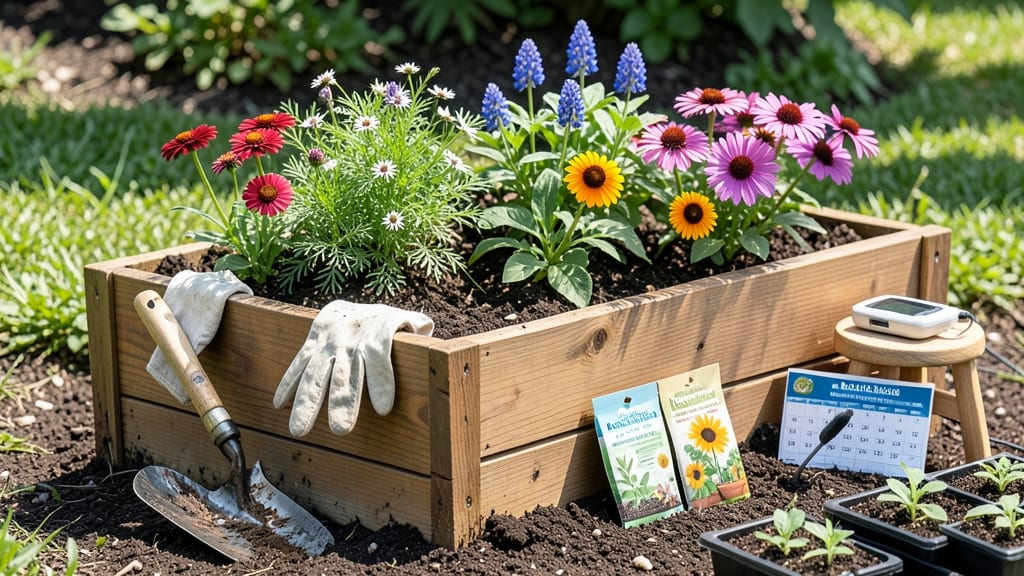
Planting flower seeds in Kansas at the right time means the difference between a garden bursting with color and one that struggles to take root.
Kansas gardeners know timing is everything—plant too early, and frost will strike; too late, and your blooms might miss peak season. Mastering the perfect planting windows by USDA zone ensures vibrant flowers all summer long.
With USDA zones 5b through 7a, Kansas offers a surprisingly long growing season—if you know when to start. The key is aligning your seed-starting schedule with soil temperatures and last-frost dates, whether you're sowing directly outdoors or nurturing seedlings indoors.
In this guide, I’ll break down the best months to plant by zone, share pro tips for Kansas’ unpredictable climate, and help you choose flowers that thrive in your yard’s conditions.
Kansas flower seed planting calendar by USDA zone (5b, 6a, 7a)
Kansas gardeners face unique challenges with its variable climate and USDA zones 5b-7a. Getting your flower seeds in the ground at the right time ensures strong starts and season-long blooms. Whether you're in western Kansas (7a) with hotter summers or eastern Kansas (5b) with cooler springs, timing matters.
Most cool-season flowers like pansies and snapdragons can handle early spring planting, while warm-season favorites like zinnias and sunflowers need warmer soil temps. Below, I’ve broken down the perfect planting windows by month, including soil temperature thresholds and frost-sensitive varieties to avoid.
| Month | USDA Zone 5b | USDA Zone 6a | USDA Zone 7a | Soil Temp | Best Flowers |
|---|---|---|---|---|---|
| February | Indoor starts | Indoor starts | Indoor starts | 60-65°F | Pansies, Snapdragons |
| March | Outdoor: Late March | Outdoor: Mid-March | Outdoor: Early March | 50-55°F | Sweet Alyssum, Calendula |
| April | All cool-season | All cool-season | All cool-season | 55-60°F | Lupines, Stock |
| May | Warm-season | Warm-season | Warm-season | 65-70°F | Zinnias, Sunflowers |
| August | Fall cool-season | Fall cool-season | Fall cool-season | 60°F+ | Cosmos, Bachelor's Buttons |
| September | Late fall | Late fall | Late fall | 55°F+ | Sweet Peas, Larkspur |
For USDA Zone 5b, where last frost dates average April 15, start cool-season flowers indoors in February and transition outdoors in late March. Warm-season flowers like marigolds and cosmos thrive when planted after May 1, once soil temps hit 65°F.
In Zone 6a, you can push
Best flowers to plant in Kansas by season (and how to extend blooms)
Kansas' variable climate demands smart flower choices to ensure long-lasting blooms. Spring-bloomers like tulips and daffodils thrive when planted in October, while annuals such as marigolds and zinnias need April-May planting for summer color. Heat-tolerant varieties like lantana and black-eyed susans stretch blooms into fall, even as temperatures dip.
To maximize blooms, focus on succession planting—sow fast-growing annuals like cosmos every 3-4 weeks from May to July. This ensures continuous color as earlier blooms fade. Perennials like coneflowers and bee balm establish roots early, rewarding you with years of low-maintenance blooms once planted.
Kansas' unpredictable weather means choosing drought-resistant and cold-hardy varieties is key. Russian sage and purple coneflower handle dry spells and late frosts with ease, while pansies and snapdragons tolerate cooler spring and fall temperatures. For extended blooms, deadhead spent flowers regularly to encourage new growth.
🌱 Seasonal Flower Planting Guide for Kansas
- 🌸 Spring (March-May): Plant cool-season annuals like pansies and sweet peas (March). Perennials such as daylilies and irises go in April.
- ☀️ Summer (June-July): Sow heat-loving annuals like zinnias and sunflowers. Succession plant cosmos every 3 weeks.
- 🍂 Fall (August-September): Plant bulbs like tulips and daffodils for spring blooms. Hardy annuals such as marigolds thrive.
- ❄️ Winter Prep (October): Divide perennials like black-eyed susans and plant spring-blooming bulbs.
For extended blooms, pair early and late-season flowers. Sweet alyssum (March) gives way to geraniums (May), while mums (August) transition to pansies (September). Deadheading spent blooms on perennials like coneflowers encourages reblooming until frost.
Kansas' USDA Zones 5b-7a allow year-round planting strategies. Start cool-season flowers indoors in February for earlier blooms, while warm-season varieties can wait until soil warms in May. Mulch heavily in fall to protect tender perennials from freeze-thaw cycles.
Don't overlook native Kansas flowers like butterfly weed and wild bergamot—they thrive without fuss and support local pollinators. These drought-tolerant plants rebloom naturally and require minimal care, making them perfect for low-maintenance gardens. 🌻