
Flowers
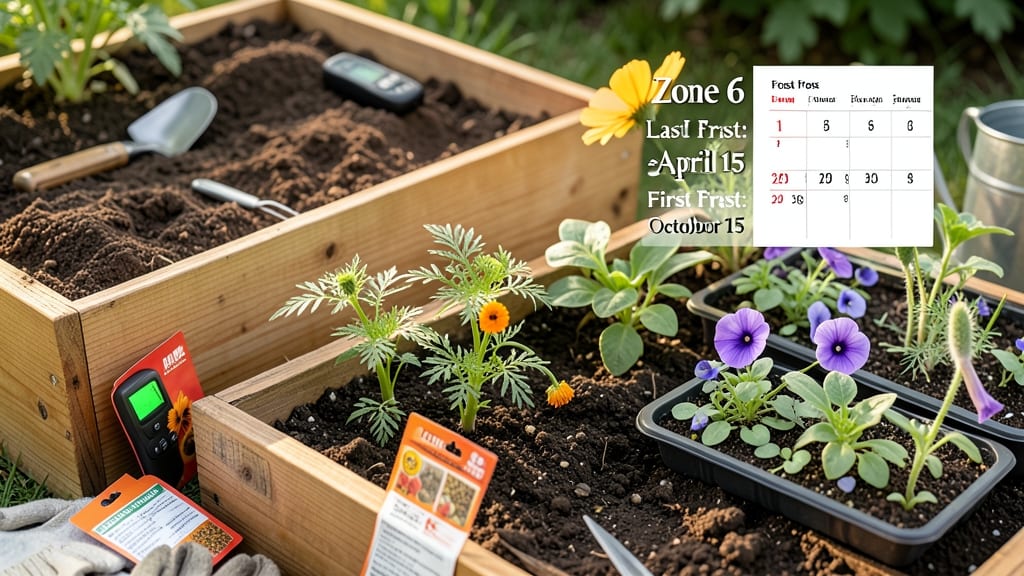
Planting flower seeds in Zone 6 at the right time 🌸 ensures vibrant blooms all season—spring and fall are your best bets, but timing varies by variety.
Timing is everything in gardening—and planting flower seeds at the wrong time in Zone 6 can mean the difference between a vibrant summer display and a disappointing flop.
With last frosts hitting between mid-April and early May, annuals like zinnias and marigolds need to wait until soil warms, while hardy perennials like coneflowers can handle early spring sowing.
Below, I break down the exact months for each type, plus how to adjust for Zone 6’s unpredictable weather and maximize your blooms.
Zone 6 flower seed planting calendar: exact months by variety type
In Zone 6, where winters can linger into April and summers bring heat waves, timing your flower seed planting is critical. The last frost date (typically mid-April to early May) and first frost (mid-October) set the boundaries for success.
Whether you're sowing annuals for summer color or perennials that return year after year, knowing the exact window for each type ensures vibrant blooms. For example, frost-sensitive marigolds need to wait until soil warms, while hardy snapdragons can handle cooler temperatures.
Your planting strategy should also account for cool-season flowers like pansies that thrive in spring and fall, and heat-loving varieties like zinnias that need summer's warmth. Even within these categories, varieties differ—cosmos self-sow prolifically, while hollyhocks need early starts.
Below, I’ve broken down the ideal months for each type, including adjustments for early vs. late springs in Zone 6’s 6a-6b subzones. Pro tip: Use row covers to extend your season by 2-4 weeks for frost-sensitive species.
📅 Last Frost Date Adjustments: In early Zone 6 (6a), aim for May 1 as your cutoff for frost-sensitive seeds, while late Zone 6 (6b) can push to April 20. For cool-season flowers, start 6-8 weeks before the last frost—typically late February to early March. Always check your local USDA Plant Hardiness Zone Map for precise dates, as microclimates (like urban heat islands) can shift these windows by 1-2 weeks.
⚠️ Frost-Sensitive vs. Cold-Hardy: Never plant tropical varieties like begonias or impatiens outdoors before Memorial Day. Instead, start these indoors in March for transplanting after the last frost. On the other hand, sweet peas and lupines can handle light frosts and should be sown in early spring or even late summer for fall blooms.
For annuals, the rule of thumb is to plant after your last frost date, but cool-season varieties like pansies and snapdragons buck this trend. These thrive in 50–60°F soil and can even tolerate light frosts.
Start them indoors in February or direct-sow in late March for spring blooms. In fall, replant 6–8 weeks before the first frost (typically by August 15) to enjoy color until winter sets in.
If you’re growing perennials, timing shifts toward early spring or late summer. Black-eyed Susans and coneflowers can be sown in March–April or even September for fall establishment.
The key is giving roots time to develop before winter. For biennials like foxgloves, sow seeds in July–August so they germinate, grow
How to adjust planting times for Zone 6’s unpredictable spring weather
Zone 6’s spring weather can be a gardener’s biggest challenge—late frosts, soil temperature swings, and unpredictable cool spells can derail even the best-laid plans. I’ve learned the hard way that planting too early risks frost damage, while waiting too long may shorten your bloom season.
The key is flexibility: knowing how to adjust planting times based on real-time conditions rather than relying solely on average frost dates.
First, monitor your local last frost date, which typically falls between mid-April and early May in Zone 6. But don’t stop there—use a soil thermometer to confirm when temperatures consistently stay above 50°F (10°C) for at least a week.
Cold soil can stunt germination, even if air temperatures seem warm. I’ve found that starting seeds indoors 4-6 weeks before the last frost gives me a head start and buys extra time for finicky varieties.
- 1
- 2
- 3
- 4
- 5
For heat-loving flowers like lantana or portulaca, don’t rush to plant. Wait until mid-May or June when soil temps exceed 60°F (15°C). These varieties thrive in hot, dry conditions and will bolt or struggle if planted too early.
I’ve had the best success with these by direct-sowing in June after the worst heat waves have passed.
Another trick I’ve picked up is using seedling heat mats under indoor trays. They keep soil temps steady at 70-75°F (21-24°C), which is ideal for slow-germinating seeds like snapdragons.
Pair this with a humidity dome, and you’ll see germination in half the time compared to standard methods. Just be sure to harden off seedlings gradually before transplanting to avoid shock.
Finally, keep an eye on your local weather forecast and adjust as needed. If a late frost warning pops up, cover young plants with row fabric or even old bedsheets.
I’ve saved entire plantings this way—sometimes the difference between success and failure comes down to being prepared for Zone 6’s unpredictable whims. 🌱