
Planting
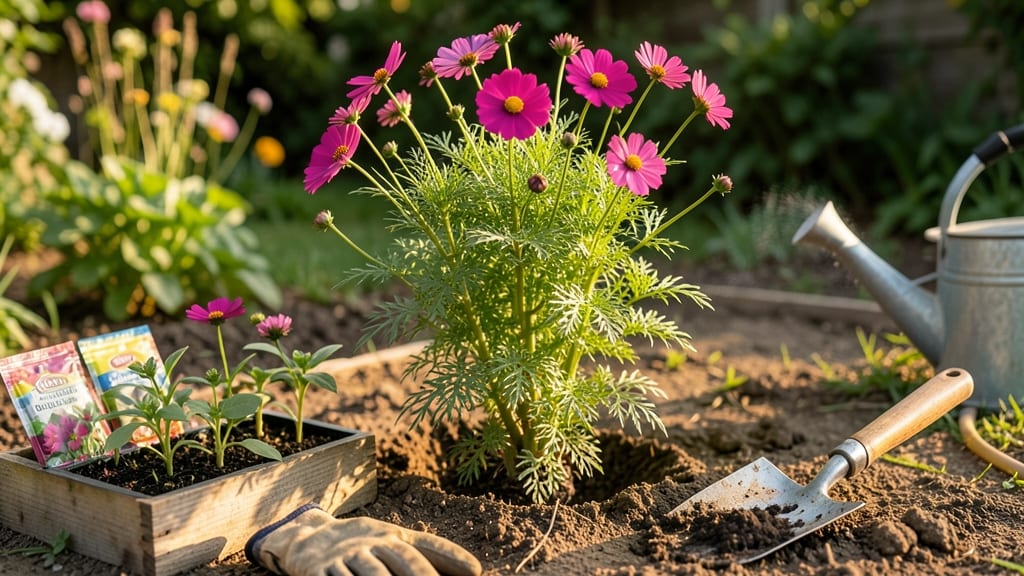
Planting flower seeds in July can still bring bold summer color if you pick the right fast-germinating varieties 🌸 — but timing and heat tolerance are everything.
Picture this: you’re sipping iced tea on the porch in early August, and your garden is bursting with zinnias and cosmos, all because you planted in July. The key? Choosing heat-loving annuals that sprout in 10 days or less and thriving in USDA Zone 6a or warmer.
Most gardeners think summer planting is a lost cause, but the truth is fast-germinating flowers like sunflowers and marigolds can still deliver stunning blooms before frost. With the right soil prep and watering tricks, you’ll avoid the common pitfalls that leave seeds sitting there forever.
Below, I’ll walk you through the top 10 July-friendly flowers, soil tips to beat the heat, and a foolproof watering schedule so your seeds don’t dry out before they even start growing.

Top 10 fast-germinating flower seeds to plant in July
With July's heat, you might think your gardening season is winding down—but it's actually the perfect time to sow fast-germinating flower seeds that thrive in warm soil. These heat-tolerant annuals will sprout in just 5-14 days, giving you vibrant blooms before fall arrives.
The key is choosing varieties that handle summer's intensity while delivering bold color and long-lasting flowers.
I've tested these top performers in my own garden, and they consistently deliver reliable germination even when temperatures climb. Whether you're filling gaps in your border gardens, creating cutting gardens, or attracting pollinators, these flowers will transform your space with minimal wait time.
Let's dive into the quickest-sprouting summer bloomers that will keep your garden buzzing until frost.
| Flower | Germination Time | Planting Depth | Sunlight Needs | Height | Bloom Time | Heat Tolerance |
|---|---|---|---|---|---|---|
| Cosmos (Sulphureus) | 5-7 days | ¼ inch | Full sun | 2-4 ft | Late summer-fall | Excellent |
| Zinnias (Benary's Giant) | 6-10 days | ¼ inch | Full sun | 1-3 ft | Summer-fall | Very high |
| Sunflowers (Moulin Rouge) | 7-14 days | ½ inch | Full sun | 3-5 ft | Summer-fall | High |
| Marigolds (French) | 5-8 days | ¼ inch | Full sun | 1-2 ft | Summer-fall | Very high |
| Portulaca (Moss Rose) | 4-7 days | ¼ inch | Full sun | 4-6 inches | Summer-fall | Extreme |
| Cleome (Spider Flower) | 7-12 days | ¼ inch | Full sun | 3-5 ft | Summer-fall | High |
| Lantana (New Gold) | 10-14 days | ¼ inch | Full sun | 1-2 ft | Summer-fall | Very high |
| Vinca (Periwinkle) | 7-10 days | ¼ inch | Full sun-part shade | 6-12 inches | Summer-fall | High |
| Sweet Alyssum | 5-8 days | ¼ inch | Full sun-part shade | 6-12 inches | Summer-fall | Moderate |
| Nasturtium (Jewel Mix) | 6-10 days | ½ inch | Full sun-part shade | 1-2 ft | Summer-fall | Moderate |
My favorite top performer is cosmos, which sprouts in just 5-7 days and continues blooming until frost. The delicate pink and white flowers attract butterflies while requiring almost no maintenance. For bold statement blooms, zinnias are unbeatable—they germinate quickly and produce vibrant flowers in every color imaginable.
If you're looking for edible flowers that also double as cut flowers, nasturtiums are a fantastic choice. They germinate in 6-10 days and add bright pops of orange and red to your garden.
Plus, their leaves and flowers are completely edible, making them a functional and beautiful addition to your space.
For drought-tolerant options, portulaca and lantana are my go-to picks. Both handle scorching heat and dry soil with ease while producing prolific blooms. These are perfect for low-water gardens or containers where you want color without constant care.
When planting these fast-germinating seeds, focus on well-draining soil and consistent moisture during germination. I recommend using a light mulch to retain moisture while keeping the soil warm.
Most of these flowers prefer full sun, but a few like sweet alyssum tolerate partial shade, making them versatile for different garden spots.
Don't forget to deadhead spent blooms to encourage continuous flowering. This simple task extends your blooming season and keeps your garden looking fresh. With these quick-sprouting varieties, you'll have vibrant summer color in no time—even when the calendar says it's almost fall.
🌱
How to maximize July seed germination success
July’s scorching heat can turn seed germination into a challenge—but with the right strategies, you can still coax vibrant blooms from your soil. The key lies in moisture retention, heat protection, and pre-treatment techniques that give seeds a fighting chance.
Even the most resilient seeds struggle when soil temperatures exceed 85°F, so we’ll focus on cooling methods and timing tricks to boost your success rate.
Start by selecting heat-tolerant varieties like cosmos, zinnias, and marigolds, which germinate quickly even in warm conditions. These varieties thrive when sown afternoon shade is provided, reducing soil temperature by up to 10°F.
Pair this with organic mulch to lock in moisture, and you’ll create the perfect microclimate for seedlings to thrive despite the summer sun.
Step-by-Step July Seed Germination Guide
-
Step 1: Pre-Treat Seeds
Soak hard-coated seeds (like lupines or delphiniums) in lukewarm water for 4-12 hours to soften the shell. For scarification, gently sand the seed coat with fine-grit sandpaper to mimic natural wear and tear.
-
Step 2: Time Your Planting
Sow seeds in the late afternoon (after 4 PM) to avoid midday heat stress. Aim for July 15-31 in most USDA zones 7-10, when soil temperatures drop slightly in the evening.
-
Step 3: Use Shade Cloth
Cover seed trays with 30-50% shade cloth for the first 7-10 days to reduce soil temperature by 15-20°F. Remove cloth once seedlings emerge to prevent leggy growth from lack of light.
-
Step 4: Optimize Soil Moisture
Mix peat moss or coco coir into seed-starting soil to improve water retention. Water seeds daily in the morning using a mist spray bottle to keep soil consistently moist but not waterlogged.
-
Step 5: Transplant Strategically
Move seedlings outdoors after sunset on overcast days to minimize transplant shock. Harden off seedlings for 5-7 days by gradually exposing them to afternoon shade before full sun.
Don’t overlook the power of mulching—a 2-inch layer of straw or wood chips can keep soil 10°F cooler and reduce evaporation by up to 30%.
This simple step extends the window for late-season planting, allowing you to sow seeds as late as mid-August in warmer climates like USDA Zone 9 or 10.
For slow-to-germinate seeds like snapdragons or foxgloves, consider using a seed heating mat set to 70-75°F to simulate spring-like conditions. Pair this with a clear plastic dome to trap humidity, and you’ll see sprouts in 7-10 days instead of the usual 3-4 weeks.
Finally, monitor your seedlings for heat stress signs like yellowing leaves or wilting stems. If you notice these symptoms, provide immediate shade and increase watering frequency to twice daily until the plant recovers.
With these techniques, you’ll transform July from a high-risk month into a prime time for late-season blooms.