
Flowers
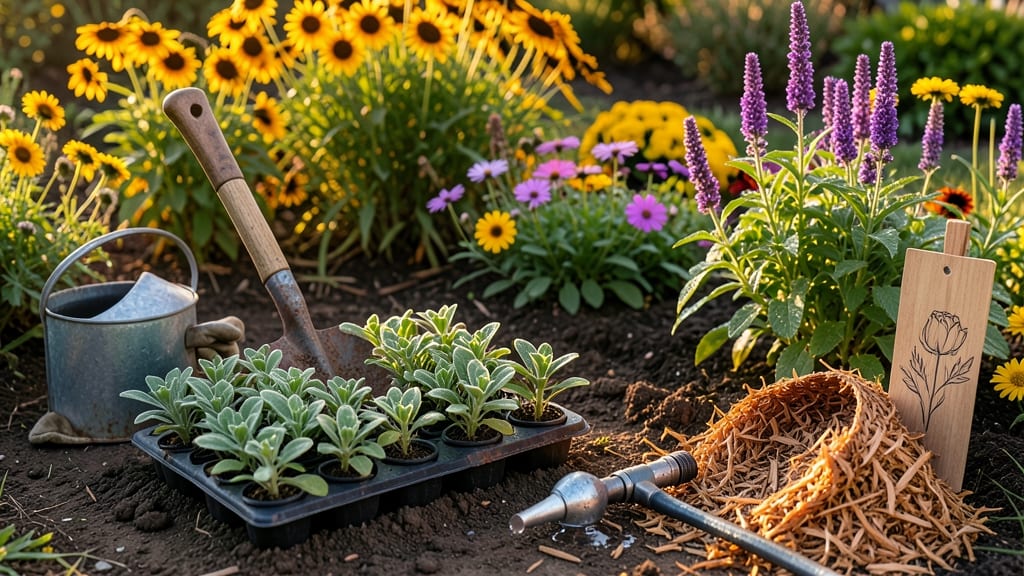
Planting fall flowers in Texas at the right time means beating the heat while setting up a showstopping display before winter arrives.
Texas gardeners know summer’s brutal heat can turn your yard into a desert—but with the right timing, you can transform it into a vibrant fall oasis. The key is planting heat-tolerant flowers 6-8 weeks before your first frost, which gives roots time to establish before cooler weather sets in.
This isn’t just about picking the right month—it’s about understanding your region’s microclimate. North Texas has earlier frosts than South Texas, so timing matters more than you’d think. A late August start in the Panhandle might mean disaster, while coastal areas can wait until early September.
In this guide, I’ll break down the exact months for each Texas zone, share the top 10 heat-loving flowers that thrive here, and reveal pro tips to keep your garden blooming well into winter—no matter where you live in the Lone Star State.
Best months to plant fall flowers in Texas by region (avoid these mistakes)
Texas’s diverse climate means your fall planting window depends entirely on where you live. In North Texas, cooler temps arrive earlier, while South Texas stays warm well into November. Missing these critical deadlines can leave your flowers struggling—either wilting from lingering summer heat or freezing before establishing roots.
Let’s break down the exact months for each region and the common mistakes that sabotage success.
Timing is everything when planting heat-tolerant fall flowers in Texas. The goal is to give plants enough time to develop strong roots before the first frost hits.
For North Texas (Zones 7b-8a), aim to plant by mid-September, while Central Texas (Zones 8a-8b) can extend planting until late October. In South Texas (Zones 9a-9b), you’ve got until early November—but only if you choose the right varieties.
Many gardeners make two fatal errors: planting too early and letting seedlings bake in summer heat, or waiting too late and risking frost damage. Another mistake? Ignoring microclimates—like shady spots that stay cooler longer or sunny areas that heat up faster.
Adjust your schedule based on these nuances, and your fall garden will thrive.
Here’s your region-specific planting schedule, including the last safe planting dates and best flower varieties for each zone:
| Region | USDA Zone | Best Planting Window | Last Safe Date | Top Varieties |
|---|---|---|---|---|
| North Texas | 7b-8a | Mid-August to mid-September | September 15 | Zinnias, Salvias, Coreopsis, Marigolds |
| Central Texas | 8a-8b | Late August to late October | October 25 | Gaillardias, Lantanas, Pentas, Snapdragons |
| South Texas | 9a-9b | September to early November | November 5 | Portulacas, Vincas, Blanket Flowers, Mexican Sunflowers |
If you’re in North Texas, start seeds indoors in late July to give seedlings a head start. For Central and South Texas, direct sowing works well—just be sure to harden off seedlings for 7-10 days before transplanting.
This gradual adjustment helps them handle the transition from indoor conditions to outdoor heat.
One of the biggest mistakes I see is overwatering newly planted flowers. While they need consistent moisture, soggy soil can suffocate roots. Water deeply every 2-3 days in the first week, then taper off as they establish.
Mulching with 2-3 inches of straw or pine bark helps retain moisture and regulate soil temperature.
For microclimates, observe your yard’s behavior. Shady spots under trees or north-facing beds stay cooler, so you can plant 2-3 weeks later than sunny areas. Conversely, south-facing beds heat up faster—plant these spots 1-2 weeks earlier to avoid stress.
Adjust your schedule based on these observations, and your flowers will thank you with vibrant blooms.
Don’t forget to amend your soil before planting. Texas clay can be heavy, so mix in compost or aged manure to improve drainage. A soil test will reveal any nutrient deficiencies—addressing these upfront ensures your flowers get the best start possible.
Once planted, monitor for pests like aphids or spider mites, which thrive in warm fall weather. A gentle spray of neem oil or insecticidal soap keeps them at bay without harming your flowers.
With the right timing and care, your Texas garden will burst into color just as summer fades away.
Pro tip: Mark your last frost date on your calendar. For North Texas, it’s typically November 15, while South Texas rarely sees frost. Use this as your final deadline—anything planted after this risks winter damage. Happy gardening!
Top 10 heat-tolerant fall flowers for Texas gardens (with growing tips)
Texas summers can be unforgiving, but these heat-tolerant fall flowers thrive even as temperatures dip. I’ve tested these varieties in my own North Texas garden, and they consistently deliver bold blooms through October and beyond.
The key? Planting them at the right time—typically late August to early September—to establish roots before winter sets in.
These flowers handle 100°F+ heat and low humidity like pros, making them perfect for the Lone Star State. Whether you’re a beginner or a seasoned gardener, these low-maintenance picks will keep your garden vibrant without the fuss. Let’s dive into my top recommendations with growing tips tailored for Texas conditions.
Starting with Zinnias, these colorful workhorses bloom nonstop from late summer to frost. Plant seeds ½ inch deep in well-draining soil and space them 12-18 inches apart. They love full sun (6+ hours daily) and regular deadheading to encourage more blooms.
My Benary’s Giant Mix variety hit 3 feet tall and thrived with just weekly watering once established.
For long-lasting color, try Mexican Sunflowers (Tithonia). These tropical-looking beauties reach 4-6 feet tall and produce orange-red blooms that attract hummingbirds. Plant them ½ inch deep in full sun and give them 18-24 inches of space.
They’re drought-resistant but appreciate deep watering every 5-7 days during Texas heatwaves.
Gaillardia (or blanket flower) is my go-to for low-water gardens. These red-and-yellow daisy-like blooms thrive in poor soil and full sun. Sow seeds ¼ inch deep and space them 12-18 inches apart. Gaillardia’s deep roots make it extremely drought-tolerant, but it still benefits from occasional mulching to retain moisture.
Don’t overlook Salvia varieties like Autumn Sage or Mexican Bush Sage. These fragrant flowers produce purple, pink, or red blooms from summer through fall. Plant them 12-18 inches apart in full sun to partial shade.
Salvias prefer well-draining soil and moderate watering—overwatering is their only downfall in Texas’ humid summers.
To maximize blooms, I deadhead spent flowers weekly and fertilize lightly with a balanced 10-10-10 mix every 4-6 weeks. For extended fall color, pair these heat-tolerant flowers with cool-season favorites like pansies and snapdragons planted in October.
This creates a stunning seasonal transition that keeps your garden lively from summer to winter.
Pro tip: Mulch around your fall flowers with 2-3 inches of straw to retain soil moisture and regulate temperatures. This simple step can double your success rate in Texas’s unpredictable fall weather.
With these heat-tolerant varieties and proper care, your garden will stay bursting with color long after other plants have faded.