
Plants
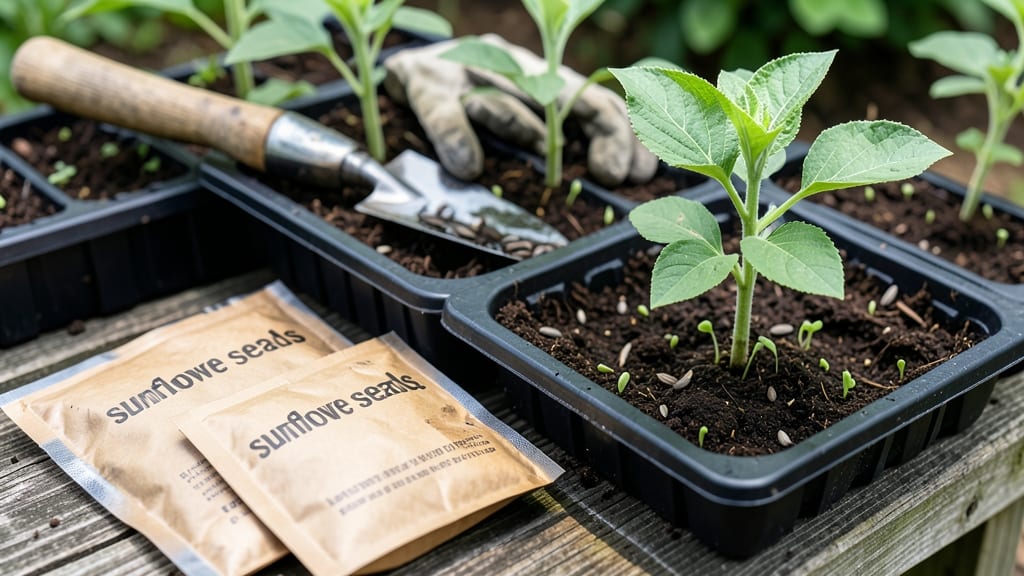
To plant sunflower seeds in NZ, aim for late spring to early summer when soil temperatures hit 10°C—this is the sweet spot for those towering 🌻 blooms you love.
Sunflowers aren’t just beautiful—they’re easy to grow and thrive in New Zealand’s diverse climates, but timing is everything for maximum height and vibrant flowers. Plant too early or too late, and you’ll miss the sweet spot for tallest blooms and full sun exposure.
North Island gardeners can start as early as September, while cooler South Island regions should wait until October or November to avoid frost damage. The key is warm soil and consistent sunlight—once your seeds sprout, they’ll grow fast!
In this guide, I’ll break down the best months by region, soil prep tips, and how to adjust planting for faster growth—so you can enjoy sunflowers reaching their full 12-foot potential before winter sets in.
Best months to plant sunflower seeds in NZ by region (north vs South Island)
New Zealand’s climate varies dramatically between its North Island and South Island, making planting timing critical for sunflower success. In warmer northern regions like Auckland, you can start seeds as early as September, while colder southern areas like Dunedin wait until November to avoid frost damage.
Understanding your local frost dates and soil temperatures ensures your sunflowers grow tall and strong.
Sunflowers thrive when soil temperatures reach at least 10°C (50°F), which typically happens in late spring across most of NZ. The North Island’s milder winters mean earlier planting windows, while the South Island’s colder climate demands patience.
Let’s break down the best planting months by region to maximize your sunflower’s potential.
Key factors to consider include:
- Frost risk in your area
- Soil temperature (minimum 10°C for germination)
- Daylight hours (longer days in summer boost growth)
- Local microclimates (coastal vs inland areas)
In Northland and Auckland, you can start sunflower seeds as early as late September when soil temperatures begin rising. These regions enjoy warmer microclimates with minimal frost risk, allowing for earlier germination. For Wellington, wait until October to avoid unexpected late frosts that can damage young seedlings.
Southern regions like Canterbury, Christchurch, and Otago require more patience. Planting in November ensures soil temperatures are ideal and reduces frost risk. If you’re in Dunedin, consider starting seeds indoors in October and transplanting after the last frost date, typically around mid-December.
This gives your sunflowers a head start before summer’s shorter days.
For
How to adjust sunflower planting time for faster growth and tallest blooms
Sunflowers in New Zealand can grow up to 12 feet tall if given the right conditions—but timing is everything. To maximize height and vibrant blooms, you need to adjust planting times based on your local microclimate and soil warmth.
Even a few weeks can mean the difference between a 6-foot plant and a towering sunflower giant.
In cooler regions like Canterbury or Otago, I recommend starting seeds indoors 6-8 weeks before your last frost date. This gives you a head start on the growing season. Meanwhile, North Island gardeners can direct-sow in September when soil temperatures hit 10°C or warmer.
The key is to ensure your sunflowers have at least 100 frost-free days to reach maturity.
🌱 5 Pro Tips to Adjust Planting Time
- 1. Warm the Soil: Use black plastic mulch or clear cloches to raise soil temperatures by 5-10°C in cooler regions. This speeds up germination and early growth.
- 2. Start Indoors Early: Begin seeds indoors in late winter (August) using seedling trays with heat mats. Transplant outdoors after last frost risk passes.
- 3. Choose Fast-Growing Varieties: Opt for 'Moulin Rouge' or 'Autumn Beauty', which mature in 75-90 days—ideal for NZ’s shorter growing seasons.
- 4. Use Companion Planting: Plant sunflowers near corn or beans to create windbreaks and retain soil heat. Avoid planting near tomatoes, which compete for nutrients.
- 5. Extend the Season with Succession Planting: Sow new seeds every 2 weeks from September to November for a continuous display of blooms.
If you're in a coastal area, be mindful of wind exposure, which can stunt growth. I’ve found that planting sunflowers near hedges or fences creates a natural windbreak, allowing them to focus energy on height rather than stability.
For drought-prone regions, mulch heavily with straw or wood chips to retain moisture and cool roots.
Another trick I swear by is fertilizing at the right time. Once your seedlings hit 4-6 inches tall, apply a balanced 10-10-10 fertilizer to encourage rapid stem growth.
Avoid over-fertilizing with nitrogen, though—this promotes leafy growth over flower production. Instead, focus on phosphorus and potassium for stronger stems and bigger blooms.
For gardeners in high-altitude areas (like Queenstown), consider using row covers to extend the growing season. These lightweight fabrics trap heat and protect young plants from late spring frosts. Remove them once temperatures stay above 15°C consistently. This can add 2-3 extra weeks of growth before winter sets in.
Finally, don’t forget to thin your seedlings to 12-18 inches apart once they’re 3-4 inches tall. Crowded sunflowers compete for sunlight and nutrients, resulting in shorter, weaker stems.
With these adjustments, you’ll be well on your way to growing sunflowers that rival basketball hoops—just in time for summer!