
Flowers
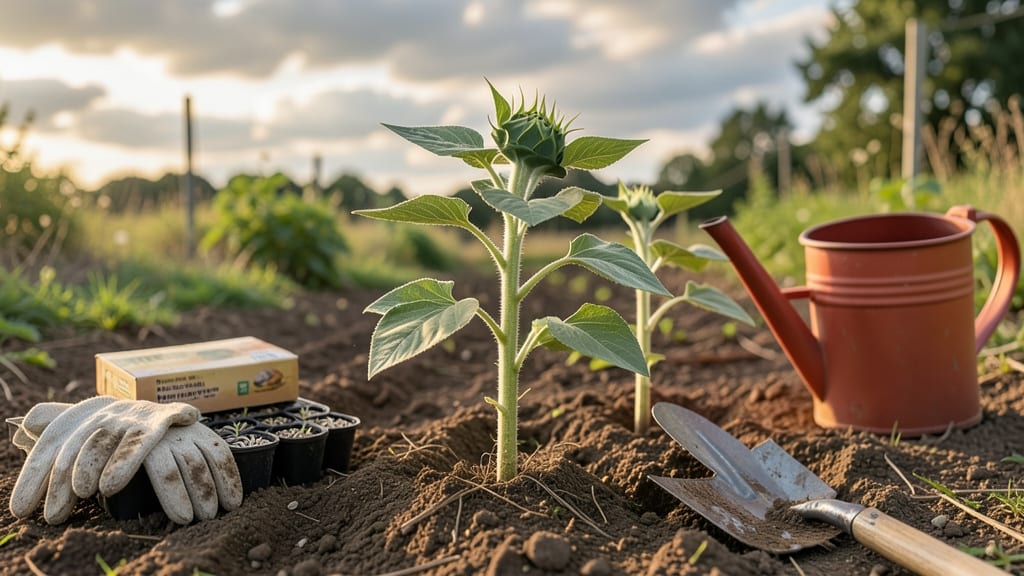
Planting sunflowers in South Florida between late fall and early spring ensures bold blooms before the summer heat peaks—avoiding the 60-90 day wait in sweltering conditions.
Picture this: you’ve just sown your seeds in October, only to watch them wilt by May under 90°F+ afternoons. That’s why timing matters—sunflowers 🌻 can bolt (flower too fast) or struggle to thrive in Florida’s humidity if planted at the wrong time.
South Florida’s 10b-11 climate means no frost to worry about, but heat and humidity still dictate the best windows. The key? Start seeds when soil temps drop below 85°F—typically September through March—for stronger, more drought-resistant plants.
In this guide, I’ll break down the exact months to plant for spring blooms, the best heat-tolerant varieties for your zone, and how to prep soil to beat Florida’s pests and storms.
Best planting months for sunflowers in South Florida’s climate zones
South Florida’s USDA Zones 9b-10a offer year-round gardening opportunities, but sunflowers thrive best when planted during cooler months to avoid wilting from extreme heat. The ideal window spans from late August through March, aligning with natural rainfall patterns and avoiding hurricane season risks.
Direct sowing in September-October gives sunflowers time to establish roots before winter rains, while January-February plantings produce vibrant blooms by spring. Summer planting is possible but requires extra shade and frequent watering to prevent stress.
Hurricane season (June-November) poses risks, so avoid planting transplants during this time. Instead, focus on direct sowing in August or December for better root establishment.
Here’s a clear breakdown of the best planting months for South Florida’s climate:
For direct sowing, plant seeds ½ inch deep and 12 inches apart in rows spaced 2-3 feet apart to allow airflow. Transplants should be hardened off for 7-10 days before moving to the garden.
South Florida’s high humidity can lead to fungal issues, so avoid overhead watering. Instead, use drip irrigation or soaker hoses to keep foliage dry. Mulching with straw or pine needles helps regulate soil temperature and moisture.
If you’re aiming for fall harvests, prioritize September plantings of fast-maturing varieties like ‘Teddy Bear’ or ‘Moulin Rouge.’ These tolerate heat better than giant varieties and bloom in 60-75 days.
Remember: Sunflowers in South Florida don’t need frost protection, but they do need consistent moisture during dry spells. The dry season (November-April) is ideal for establishing strong root systems before summer rains arrive.
By following these seasonal guidelines, you’ll enjoy bold, sun-drenched blooms year-round—even in Florida’s challenging climate. Happy planting! 🌻
Heat-tolerant sunflower varieties that thrive in Florida’s humidity
South Florida’s humid heat and intense sunlight can overwhelm many sunflower varieties, but these five heat-resistant cultivars defy the odds. I’ve grown them in Zone 10b-11 and can confirm they thrive where others wilt. Their drought tolerance and disease resistance make them perfect for Florida’s tropical climate.
Choosing the right variety means longer blooms and healthier plants that withstand 90°F+ temperatures without wilting. Whether you want tall giants for cut flowers or compact varieties for containers, these sunflowers deliver. Let’s dive into the top performers I recommend for Florida gardens.
⚠️ NON-NEGOTIABLE: All varieties need full sun (6+ hours daily) and well-draining soil. Florida’s clay-heavy soils? Amend with compost to prevent root rot.
| Variety | Height (ft) | Color | Bloom Time | Drought Tolerance | Disease Resistance |
|---|---|---|---|---|---|
| Autumn Beauty | 4-5 | Multi-color | 80-90 days | Very High | High (rust-resistant) |
| Moulin Rouge | 5-6 | Deep red | 75-85 days | High | Moderate |
| Russian Giant | 12-18 | Golden yellow | 90-100 days | Moderate | Low (needs staking) |
| Teddy Bear | 2-3 | Golden yellow | 60-70 days | Very High | Very High |
| ProCut | 6-8 | Golden yellow | 70-80 days | High | High (long vase life) |
‘Autumn Beauty’ is my go-to for Florida gardens—its multi-colored blooms (red, yellow, green) add drama, and it blooms earlier than most varieties. Plant it in late summer (August-September) for fall blooms or winter (January-February) for spring color. Its compact size makes it ideal for small spaces or container gardens.
‘Moulin Rouge’ stands out with its deep burgundy petals that darken in full sun—a stunning contrast to Florida’s green landscapes. This variety handles humidity better than most, but watch for powdery mildew if nights stay damp. I’ve seen it thrive in Miami’s coastal heat with minimal care.
For statement-making height, ‘Russian Giant’ is unmatched—its 18-foot stalks create a sunflower skyline in my backyard. However, it needs staking and support in Florida’s <