
Plants
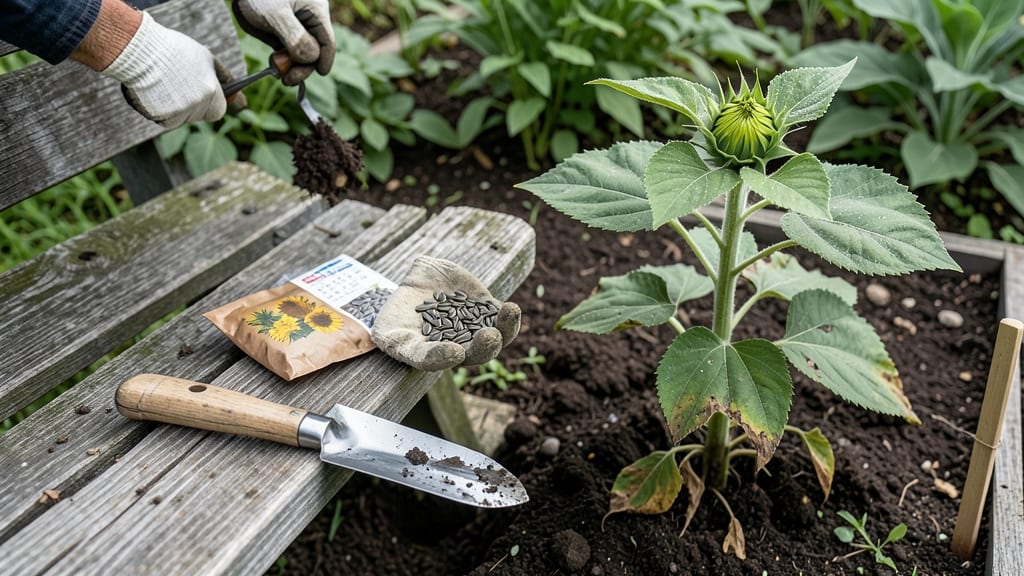
Plant sunflower seeds in Pennsylvania after your last frost date—typically mid-May in most zones, but as early as late April in southern regions like 5b-7a.
Sunflowers aren’t just beautiful—they’re also one of the easiest plants to grow, but timing is everything for those towering, sun-drenched blooms Pennsylvania gardeners dream of. Plant too early or too late, and you’ll miss the sweet spot for maximum height and vibrant color.
In USDA Zone 5b, where late frosts linger, wait until soil temperatures hit 55°F—usually around early June. Meanwhile, gardeners in Zone 7a can start as early as late April, giving their 🌻 giants a full summer to reach their full potential.
Below, I break down the exact months for each zone, how to adjust for early vs. late varieties, and pro tips to protect your seedlings from Pennsylvania’s unpredictable spring weather.
Pennsylvania sunflower planting calendar by hardiness Zone (exact months for each region)
Pennsylvania’s diverse climate—from the cool Poconos (Zone 4a) to the warmer Delaware Valley (Zone 7a)—means your sunflower planting timeline should match your local frost dates.
I’ve broken down the ideal planting windows for each zone, including soil temperature thresholds and adjustments for giant vs. dwarf varieties to maximize those iconic blooms.
Most gardeners focus on spring planting after last frost, but sunflowers also thrive with fall sowings in warmer zones. For example, in Zone 6a, you can plant as late as mid-August for a second harvest before winter.
Always check your local frost-free date—Pennsylvania’s ranges from April 15 (north) to May 1 (south).
Soil temperature is critical: seeds need 55°F+ to sprout reliably. In colder zones like 4a, wait until May 15 or use row covers to warm the soil faster. Warmer zones like 7a can start as early as April 15 if nights stay above 40°F.
For giant varieties like 'Mammoth' or 'Russian Giant', plant in early spring (March–April in Zone 7a) to give them 100+ days to reach their full height. Dwarf varieties like 'Teddy Bear' can handle later plantings (up to June 15 in Zone 5a) and still bloom by fall.
In Zone 4a, focus on early-maturing varieties (50–60 days to bloom) to avoid early fall frosts. For example, 'Autumn Beauty' thrives in cooler climates and produces bicolor blooms even with shorter growing seasons. Always space seeds 6 inches apart—crowding reduces airflow and increases disease risk.
Pro tip: Use a soil thermometer to confirm readiness. If your soil stays below 50°F for more than 3 days, delay planting or use black plastic mulch to warm it faster.
In Zone 7a, you can even try February sowings indoors for a head start, transplanting after last frost.
Fall plantings work best in Zones 5b–7a. Sow seeds 6–8 weeks before first frost (typically late August) for a second harvest. Choose short-day varieties like 'Evening Sun'—they bloom faster in cooler weather.
Just avoid planting after September 15 in Zone 6a or seeds may not mature before winter.
Remember: Sunflowers are drought-tolerant once established, but seedlings need consistent moisture. Water deeply 2–3 times per week until plants
How to adjust planting time for sunflower height: early vs. late varieties compared
If you’ve ever dreamed of sunflowers reaching 10 feet tall like the 'Mammoth' variety, timing is your secret weapon. These giants need a longer growing season (90-120 days) compared to dwarf varieties like 'Teddy Bear', which mature in just 50-60 days.
Planting too early risks frost damage, while late planting stunts growth—especially in Pennsylvania’s variable climate.
To nail the perfect timing, start by checking your last frost date (typically April 15-May 15 in PA). For tall varieties, wait until soil temps hit 55°F+ (usually late May-early June in most zones).
Dwarf sunflowers can handle cooler soils, giving you a 2-week earlier window for those compact blooms.
Here’s the game-changer: Sunlight needs shift with height. Giant sunflowers demand 8+ hours of direct sun daily, while dwarfs thrive with 6-7 hours. In Pennsylvania’s partial shade zones (like Pittsburgh’s valleys), opt for shorter varieties to avoid leggy, weak stems.
For Pennsylvania gardeners, the key adjustment is aligning your variety with your zone. In Zone 5a (e.g., Erie), plant dwarf varieties by May 10 to avoid frost. In Zone 7a (e.g., Philadelphia), you can push tall varieties until June 1 for fall blooms.
Use a soil thermometer—if temps dip below 50°F, delay planting for giants.
Pro tip: Succession planting works for dwarfs! Sow new batches every 2 weeks in May-June to stretch your bloom time. For giants, focus on one planting in late May for dramatic 10-foot stalks by September. Just remember: Sunflowers hate transplanting, so direct-sow seeds for the best results.
Timing isn’t just about height—it’s about vibrant color and seed production. Giant sunflowers need that long, hot summer to develop dark, plump seeds, while dwarfs reward patience with early pollinators.
Whether you’re growing for cut flowers or bird feed, mastering these timing tricks ensures your sunflowers will shine brighter and taller than ever before. 🌻