
Flowers
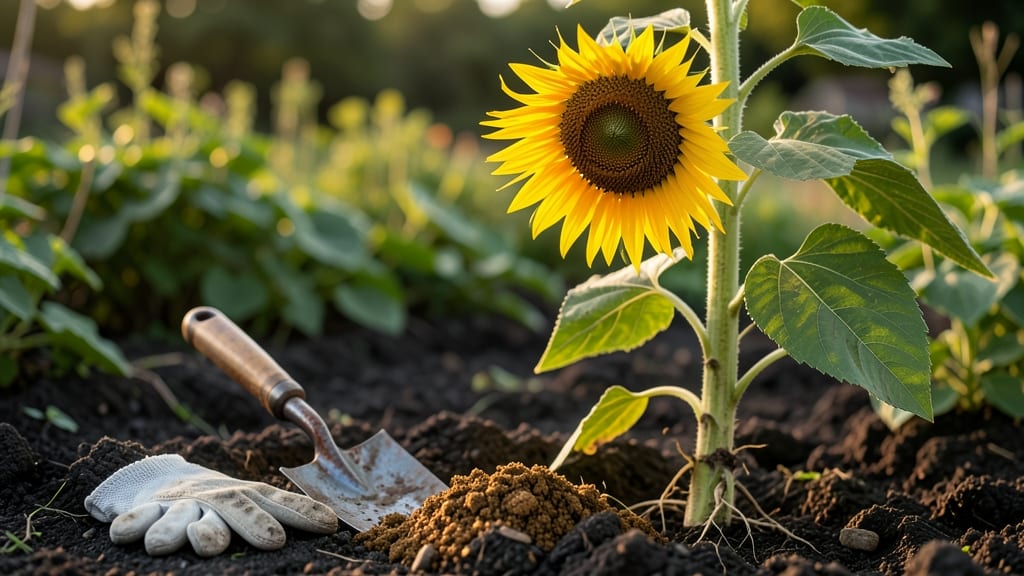
Planting sunflowers in Alabama at the right time ensures they’ll reach their towering heights 🌻 before summer’s heat or late frosts cut their season short.
Sunflowers aren’t just cheerful faces in fields—they’re a gardener’s secret weapon for year-round color, wildlife support, and even edible seeds. But in Alabama’s warm USDA Zones 7b-8a, timing these giants wrong can mean wilting before they bloom.
Your best window is from mid-April to early June, when soil warms to at least 50°F and frost risk fades. This schedule lets varieties like ‘Moulin Rouge’ (dwarf) or ‘Russian Giant’ (tall) thrive without scrambling for space or blooming too early.
Below, I break down exact planting dates by variety, soil prep tricks for Alabama’s clay-heavy soil, and how to adjust if you’re growing in containers or facing late frosts.
Alabama sunflower planting calendar: exact months by variety type
Alabama's long growing season means you can grow sunflowers almost year-round, but timing matters for bold blooms and healthy plants. Annual sunflowers thrive with spring planting, while some heat-tolerant varieties can handle late summer sowing. Let’s break down the exact planting windows for your Alabama garden.
Most gardeners in USDA Zones 7b-8a focus on March through June planting. However, Alabama’s mild winters and hot summers allow flexibility for perennial types and dwarf varieties. The key is avoiding late frosts (common in North Alabama) while maximizing summer heat for giant varieties.
Here’s your comparison table for direct sowing vs. transplanting by sunflower type, tailored to Alabama’s climate:
For annual sunflowers, aim to plant 6-8 weeks before your first frost (typically mid-April in most of Alabama). This gives them time to establish roots before summer heat peaks. Dwarf varieties like 'Teddy Bear' are more flexible—they tolerate late sowing up to July for fall blooms.
Transplanting sunflower seedlings is tricky because they hate root disturbance. If you start indoors, harden off seedlings for 7-10 days before moving them to garden beds in late March.
Use biodegradable pots to reduce shock. Giant varieties should never be transplanted—they perform best when direct-sown in early spring.
Alabama’s humidity and summer heat can stress sunflowers, so spacing matters. Give standard varieties 18-24 inches apart and giant types 36 inches to prevent crowding and disease. Dwarf sunflowers can handle 12-inch spacing, making them perfect for small gardens or containers.
If you’re in North Alabama (Zone 7b), stick to early spring planting to avoid late frosts. In South Alabama (Zone 8a), you can extend planting into early June for fall blooms.
Just remember: sunflowers need heat to thrive, so don’t plant too early—wait until soil temps reach 50°F.
Pro tip: Mulch around sunflowers to retain moisture and cool roots during Alabama’s hot summers. Use straw or wood chips, keeping them 2-3 inches away from the stem to prevent rot. This simple step can double your success rate in Alabama’s climate challenges.
For container gardening, choose dwarf varieties and plant in 5-gallon pots with well-draining soil. Place containers in full sun and water deeply every 3-5 days during summer heat. This lets you grow sunflowers on patios or balconies even in urban Alabama.
Finally, don’t forget that sunflowers are annual workhorses—they attract pollinators, support wildlife, and even produce edible seeds. By following this Alabama-specific schedule, you’ll enjoy towering blooms from summer to fall, no matter where you garden in the Yellowhammer State.
5 Critical factors that determine your Alabama sunflower success
Alabama’s USDA Zones 7b-8a create a unique challenge for sunflower growers. Unlike northern climates, we don’t just worry about frost dates—we must also account for soil temperature thresholds, humidity risks, and summer heat that can stress young plants.
Getting these factors right means the difference between 10-foot giants and stunted blooms.
The ideal soil temperature for sunflower germination is 50°F or warmer. In North Alabama (Zone 7b), this typically occurs by mid-April, while South Alabama (Zone 8a) can start as early as late March.
Using a soil thermometer is my top recommendation—don’t guess! Planting too early in cool soil leads to rot or slow germination.
🌱 Critical Factors for Alabama Sunflower Success
- 🌡️ Soil Temperature: Wait until soil reaches 50°F+ (use a thermometer!)
- ❄️ Frost Risk: North AL (Zone 7b) = May 10 avg last frost; South AL (Zone 8a) = April 1
- 💧 Moisture Needs: 1-2 gallons/week (deep watering at base)
- ☀️ Sunlight: 6+ hours daily—shade = leggy, weak stems
- 🌡️ Heat Tolerance: Plant tall varieties in spring; dwarf types in late summer for fall blooms
⚠️ Alabama Pitfall: High humidity + poor airflow = powdery mildew—space plants 18-24 inches apart!
Alabama’s humidity levels (often exceeding 70%+) create perfect conditions for fungal diseases like powdery mildew. I’ve lost entire rows of sunflowers to this issue when plants were crowded. The fix? Spaced rows (18-24 inches apart) and morning watering to let foliage dry quickly.
If you notice white powder on leaves, treat immediately with neem oil or baking soda spray.
For container gardening, adjust your timeline by 2-3 weeks later than in-ground planting. Pots heat up faster and dry out quicker, so choose dwarf varieties like ‘Teddy Bear’ (3 feet tall) and monitor soil moisture daily.
Pro tip: Use black containers—they absorb heat and warm the roots faster in Alabama’s spring.
Don’t assume late summer planting is off-limits! In fact, it’s perfect for short-season dwarf varieties that bloom by October before frost. Plant these in late July-August for fall color and winter seed harvests.
Just be prepared to water deeply as summer heat peaks—sunflowers need 1-2 gallons per week during dry spells.
Final pro tip: Mark your last frost date on your calendar (North AL: May 10; South AL: April 1) and count backward. Sunflowers need 70-100 days to mature, so plant tall varieties by May 1 to ensure blooms before summer’s end.
For edible seeds, aim for 90+ days to maturity.