
Plants
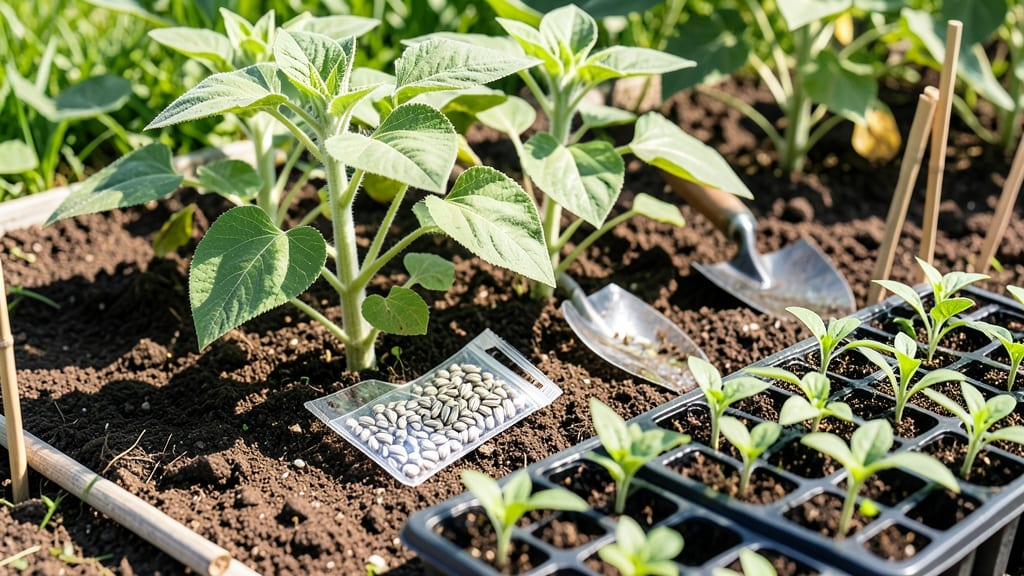
To plant sunflower seeds in Tennessee, aim for mid-April to mid-June after the last frost—when soil temperatures hit 55°F and days stretch long enough for towering growth.
Sunflowers in Tennessee can grow taller than 10 feet—but only if you plant them at the perfect time. Get the wrong timing, and you’ll miss peak blooms or face stunted growth. Here’s exactly when to sow sunflower seeds for maximum height, beauty, and resilience in Tennessee’s climate zones.
Tennessee’s USDA zones 6a-7b mean frost dates vary, so your planting window depends on whether you’re in the cooler Appalachian foothills or the warmer Nashville basin. The key is waiting until the soil warms and the risk of frost passes—usually by mid-April, but later in higher elevations.
Below, I’ll break down the best planting dates by zone, soil prep tips to boost growth, and how to adjust for Tennessee’s unpredictable weather—so your 🌻 sunflowers thrive from seed to harvest.
Tennessee sunflower planting dates by climate Zone (6a-7b)
Tennessee’s USDA zones 6a and 7b offer a 180-day frost-free season, perfect for sunflowers that need 60–120 days to mature. Timing your sunflower seeds correctly ensures towering blooms—some reaching 10+ feet—before Tennessee’s first frost in mid-October.
In Zone 6a, cooler springs delay planting, while Zone 7b allows earlier starts. Let’s break down the exact windows for early, mid, and late-season planting.
For both zones, soil temperature is critical—sunflower seeds need 60°F+ soil to sprout. Use a soil thermometer to confirm readiness, especially in Zone 6a, where late frosts can linger into early May.
In Zone 7b, you can start as early as mid-April, but wait until late April in Zone 6a to avoid frost damage. Planting too early risks rot or stunted growth.
In Zone 6a, prioritize mid-May planting for most varieties to ensure blooms by late August.
Shorter-season varieties like ‘Teddy Bear’ (50–60 days) can handle late April starts, but taller types like ‘Mammoth’ (100–120 days) need May 1–15 sowing. Zone 7b gardeners enjoy flexibility: early April starts work for fast-maturing varieties, while June plantings can still yield fall blooms if given 6+ hours of sun.
For late-season sunflowers, try July plantings in Zone 7b—these fall-blooming varieties thrive with longer daylight and cooler temps. In Zone 6a, limit late sowings to early July to avoid first frost cutting the season short.
Use black plastic mulch to warm soil and extend the growing window by 1–2 weeks in both zones.
Adjust your sunflower spacing based on planting time: early starts benefit from 12-inch spacing to reduce competition, while late-season plants can tolerate 6-inch spacing if harvested early. Companion planting with bush beans or marigolds improves soil health and deters pests, especially in Zone 6a’s cooler, wetter springs.
Monitor UT Extension’s frost forecasts for real-time adjustments—Zone 6a saw a late frost in May 2023, delaying ideal planting by 2 weeks.
If frost threatens, cover seedlings with frost cloth or transplant to containers for temporary protection. Zone 7b’s milder climate reduces frost risk, but heatwaves in July can stress young plants—provide afternoon shade if temps exceed 95°F.
Harvest timing varies by variety: ‘Autumn Beauty’ (90 days) blooms in late August if planted mid-May, while ‘Russian Giant’ (120 days) needs April sowing in Zone 7b for September blooms.
Always harvest when petals wilt and seed heads feel heavy—this ensures maximum seed yield and bird resistance.
Protect your sunflower seeds from
How to adjust sunflower planting for Tennessee’s unpredictable weather
Tennessee’s weather can throw curveballs—late spring frosts, scorching summer heatwaves, and sudden humidity spikes. These conditions can turn your sunflower dreams into stunted stalks if you don’t adjust your planting strategy. The key? Flexibility. Here’s how to beat Tennessee’s weather and still grow 10-foot sunflowers that thrive year after year.
First, understand that Tennessee’s USDA zones 6b-7b mean frost dates vary wildly. While most areas see their last frost around mid-April, mountain regions can linger into May. Meanwhile, summer temperatures often hit 90°F+, and humidity levels can drop sunflower petals faster than you can say “heat stress.”
⚠️ WARNING: Late Frost Risk in Tennessee ⚠️
To combat Tennessee’s summer heat, start with soil warming tricks. Lay down black plastic mulch 2-3 weeks before planting to raise soil temps by 5-10°F. This jumpstarts germination and helps seedlings outpace heat stress. For container growers, place pots on dark-colored trays or use heat mats to mimic this effect.
If your sunflowers bolt too quickly in 90°F+ heat, provide afternoon shade with 30-50% shade cloth. This prevents flower drop and extends the blooming window by 2-3 weeks. Remove the cloth once temps dip below 85°F to ensure full sun for seed development.
Pro tip: Water deeply in the early morning to cool roots and reduce fungal pressure from Tennessee’s humid summers.
For a second harvest, try a late-summer succession planting in early July. Choose fast-maturing varieties like ‘Autumn Beauty’ (56 days) or ‘Moulin Rouge’ (60 days) to beat Tennessee’s first frost (typically mid-October).
These varieties thrive in shorter daylight and produce vibrant fall blooms when many gardens are winding down.
Finally, embrace companion planting to buffer sunflowers from Tennessee’s extremes. Pair them with basil or marigolds to repel pests and improve air circulation, reducing humidity-related stress. For soil moisture retention, interplant with clover or alfalfa to create a living mulch that keeps roots cool.