
Flowers
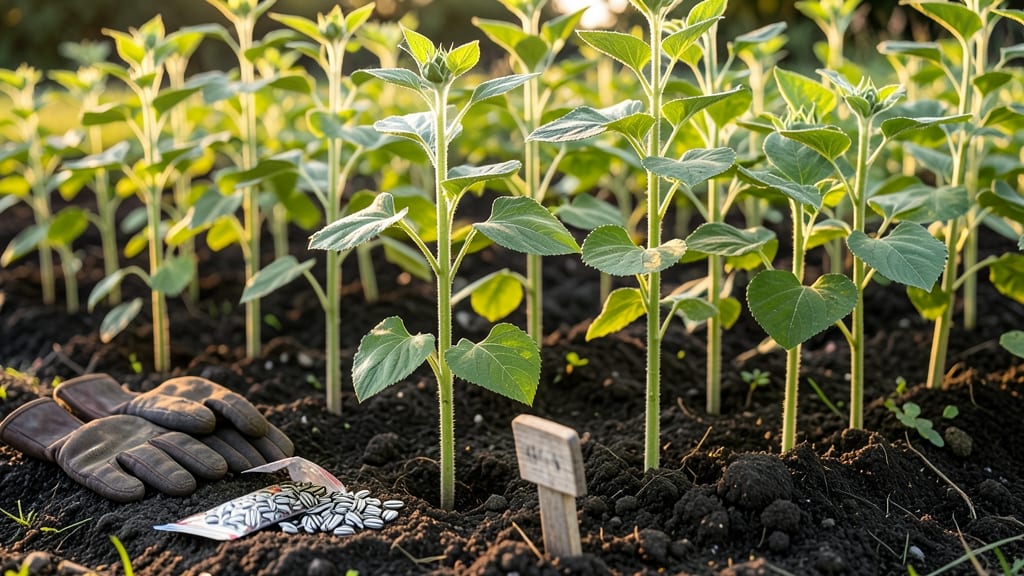
Planting sunflowers in San Diego lets you enjoy their bright blooms nearly year-round, but the right timing avoids heat stress or missed blooms.
Here’s the catch: coastal areas like San Diego don’t have frost, but summer heat can be brutal. Plant too early, and your sunflowers 🌻 may bolt or wilt before flowering.
Too late, and you’ll miss the best bloom windows. The key is knowing your microclimate—coastal gardens stay cooler, while inland spots can hit 90°F+ by May.
Most gardeners in USDA Zone 10a get the best results by starting seeds in early spring (February–March) or late summer (August–September). This gives sunflowers time to mature before the hottest months or winter rains arrive.
Below, I’ll break down the exact planting windows for coastal vs. inland San Diego, plus pro tips to extend your blooms—so you can enjoy sunflowers from spring through fall without the guesswork.
San Diego sunflower planting calendar: best months by microclimate zone
Sunflowers thrive in San Diego’s frost-free climate, but your microclimate zone—coastal or inland—dictates the best planting windows. Coastal areas stay cooler and more humid, while inland zones experience hotter, drier summers. Understanding these differences ensures stronger stems and longer-lasting blooms.
For coastal San Diego (e.g., La Jolla, Encinitas), temperatures rarely dip below 50°F, allowing sunflowers to germinate year-round. Inland areas (e.g., Escondido, Temecula) can hit 90°F+ in summer, stressing young plants. Fall planting is ideal for both zones to avoid peak heat.
Giant varieties (like 'Mammoth') need 60-90 days to mature, while dwarf types (e.g., 'Teddy Bear') bloom in 45-60 days. Plant giants in early spring (Feb-Mar) or late summer (Aug-Sept) to finish before winter rains. Dwarfs tolerate succession planting every 3-4 weeks for continuous blooms.
In coastal areas, sow seeds 1/2 inch deep in well-draining soil with a pH of 6.0-7.5. Use black plastic mulch to warm soil in winter plantings (Jan-Feb). Inland gardeners should wait until soil reaches 60°F (late Feb-Mar) to avoid heat stress.
For year-round blooms, stagger plantings every 4-6 weeks. Start with dwarf varieties in August-September to enjoy fall color, then follow with giant types in February-March for summer displays. Coastal gardens can even try winter plantings (Nov-Dec) under cloche protection.
Watch for sunflower beetles in summer—coastal areas see fewer pests, but inland gardens may need neem oil sprays. Deadhead spent blooms to encourage secondary flowering and extend the season by 3-4 weeks.
Soil temperature is critical for germination. Use a soil thermometer to confirm 55°F+ before planting. Inland zones may need row covers for early spring starts to protect from unpredictable cold snaps (rare but possible).
Pro tip: Pre-soak seeds for 4-6 hours before planting to speed up germination, especially in dry inland soils. Coastal gardeners can skip this step due to higher humidity. Always plant seeds 1 inch apart for dwarfs and 6 inches apart for giants.
Sunflowers in San Diego reward patience with vibrant blooms and edible seeds. By aligning your planting schedule with your local microclimate, you’ll avoid common pitfalls like bolting too early or heat stress, ensuring a show-stopping garden year-round. 🌻
How to extend your sunflower season in San Diego’s climate
San Diego’s mild winters and warm summers make it possible to grow sunflowers almost any time of year—but without the right strategies, you’ll miss peak bloom times or struggle with heat stress.
The key to extending your sunflower season lies in succession planting, shade management, and choosing the right varieties for your microclimate. I’ve tested these techniques in my own garden, and they’ve helped me enjoy sunflowers from early spring through late fall.
Most gardeners focus on planting in spring or late summer, but with a few adjustments, you can push blooms into winter or escape summer dormancy. For example, coastal areas like La Jolla stay cooler year-round, while inland spots near Escondido can hit 100°F+ by July.
Your approach should match your location’s heat profile. Below are my top strategies to maximize your sunflower season, tailored for San Diego’s unique conditions.
🌱 5 Pro Tips to Extend Your Sunflower Season
- Succession Plant every 4-6 weeks from February to October—this ensures continuous blooms. Start with fast-maturing dwarf varieties like 'Teddy Bear' (50-60 days) for quick turnover.
- Use 30-50% shade cloth during June-August to protect seedlings from heat stress. Remove it once plants are established to encourage flowering.
- Warm soil with black plastic mulch in winter plantings (November–January) to speed germination. Remove mulch once sprouts appear to prevent overheating.
- Choose heat-tolerant varieties like 'Autumn Beauty' or 'Moulin Rouge' for summer plantings. These handle 90°F+ temperatures better than standard types.
- Plant fall varieties in August to bloom before winter rains. Use a cold frame or row cover to protect young plants from unexpected chilly snaps.
Let’s dive deeper into these techniques. Succession planting is my go-to method for keeping sunflowers blooming all season. Instead of planting once in spring, I stagger seeds every 4-6 weeks. This works especially well for dwarf varieties, which mature faster and don’t compete for space.
For example, I plant 'Teddy Bear' sunflowers in February, May, and August to ensure blooms from March through October.
Another game-changer is shade cloth. During San Diego’s hottest months (June–August), seedlings can bolt or wilt if exposed to full sun. I use a 30% shade cloth over new plantings until they’re 6 inches tall, then switch to 50% shade if temperatures exceed 90°F.
This simple trick has doubled my survival rate for summer plantings. Remember to water deeply in the morning to offset the cloth’s moisture retention.
For winter plantings (November–January), I focus on soil warming. San Diego’s coastal areas rarely drop below 50°F, but slow soil temps can delay germination. I cover planting beds with black plastic mulch for 2–3 weeks before sowing, then remove it once sprouts appear.
This method has helped me get sunflowers started as early as late December, with blooms by February.
Finally, variety selection is critical. Standard sunflowers like 'Russian Giant' struggle in San Diego’s summer heat, but heat-tolerant types like 'Autumn Beauty' or 'Moulin Rouge' thrive. These varieties also handle coastal humidity better, reducing the risk of fungal diseases.
If you’re planting in August for fall blooms, choose varieties with a 60–75 day maturity to finish before winter rains.
With these strategies, you can enjoy sunflowers in your garden for 9+ months of the year. Start with succession planting, protect seedlings from heat, and pick the right varieties for your microclimate. Before you know it, your garden will be a year-round sunflower paradise—just like mine! 🌻