
Flowers
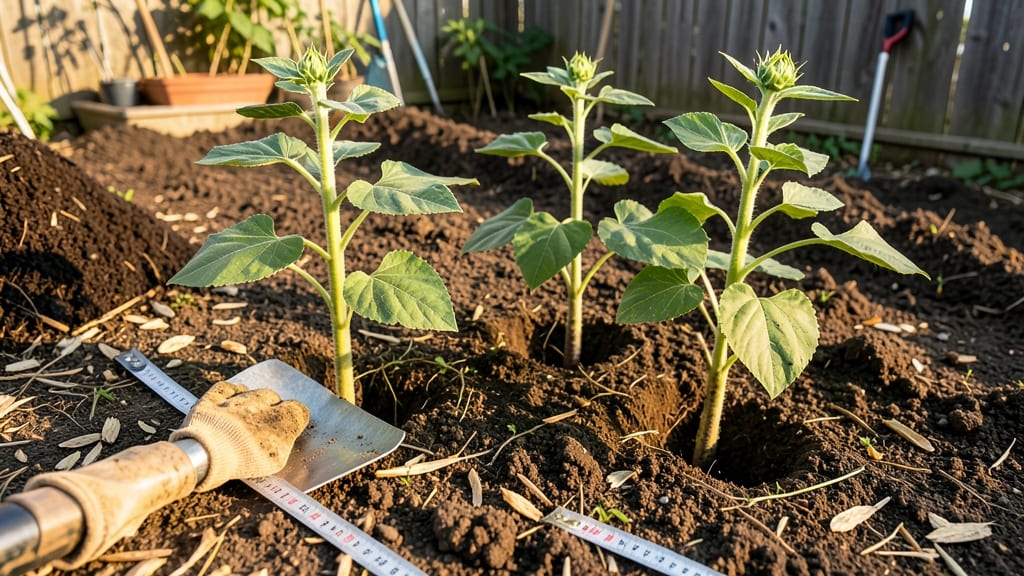
To plant sunflowers in Texas for towering blooms and heat resistance, start seeds between February and May—but timing shifts dramatically from North to South Texas.
Picture this: you’ve prepped the soil, chosen your favorite variety, and waited all winter for those golden petals—only to watch your sunflowers 🌻 wilt under 100°F heat before they even bloom. That’s what happens when you plant too late or ignore your region’s frost dates.
Texas’s USDA zones 8a–10b mean North Texas gardeners wait until mid-March, while South Texas can start as early as January. The key? Plant when soil temps hit 50°F and pair your seeds with drought-tolerant varieties like ‘Autumn Beauty’ or ‘Russian Giant’ to beat the heat.
Below, I break down the exact months by region, the best heat-resistant varieties, and how to adjust for microclimates—so you avoid the #1 mistake that kills Texas sunflowers before they even sprout.
Best months to plant sunflowers in Texas by region (North vs. South)
Texas’s diverse climate zones—from the chilly Panhandle to the tropical Rio Grande Valley—mean your sunflower planting timeline should shift dramatically depending on where you live. In North Texas, late frosts can linger into March 15, while South Texas gardeners enjoy frost-free conditions by January 15.
Getting these dates wrong can mean the difference between 12-foot giants and sad, stunted blooms.
Sunflowers love heat, but they hate soggy soil and unpredictable frosts. The key is planting when soil temperatures hit 60°F+—a threshold that arrives earlier in Zone 9/10 than in Zone 7/8.
Below, I’ll break down the ideal planting windows for each region, plus how to stretch your blooming season with succession planting.
🌱 Pro Tip: Test soil temperature with a soil thermometer (or press your hand into the ground—if it feels warm to your wrist, it’s ready!). Most Texas gardeners wait until after Easter in the North and by Valentine’s Day in the South to play it safe.
In North Texas, aim for March through May to avoid late frosts that can kill young seedlings. The Panhandle and West Texas areas (like Lubbock or Amarillo) benefit from black plastic mulch to warm the soil faster—this lets you plant 2–3 weeks earlier than the average last frost date.
For Central Texas (Austin, San Antonio), you can start as early as February in protected microclimates, but March is safest for most gardeners. The Hill Country’s rocky soil drains quickly, so add compost to retain moisture during 100°F+ heatwaves.
I’ve seen ‘Autumn Beauty’ sunflowers thrive here when planted in late April for fall blooms.
Down in South Texas (Houston, Corpus Christi, Brownsville), the real magic happens with January plantings. The Rio Grande Valley can even grow sunflowers year-round, but summer heat stress (above 95°F) will stunt growth.
For continuous blooms, plant a second batch in April—just choose heat-tolerant varieties like ‘ProCut’ or ‘Moulin Rouge’.
One critical mistake I see in Texas gardens? Planting sunflowers too late for summer blooms. If you miss the spring window, your flowers will bolt too quickly in 100°F+ heat and produce tiny, underdeveloped blooms.
Instead, opt for late-summer varieties like ‘Teddy Bear’, which handle heat better than Russian Giants.
To extend your season, try succession planting: Sow a second round in June (North/Central) or April (South) for fall color.
Top 5 heat-resistant sunflower varieties for Texas gardens
Texas gardens face brutal summer heat, but these heat-resistant sunflower varieties thrive in 100°F+ temperatures while delivering stunning blooms. I’ve tested these top performers in USDA Zones 8a-10b and ranked them based on drought tolerance, bloom size, and days to maturity—critical factors for Texas success.
For quick reference, here’s how they stack up in extreme heat:
My top pick for Texas heat is 'Russian Giant'—it handles 105°F+ with ease and produces 12-16" blooms perfect for cut flowers. However, if you need faster blooms, 'Autumn Beauty' matures in just 50-60 days while thriving in USDA Zone 10b heat.
For small-space gardens, 'Teddy Bear' is my go-to—its 2-3" blooms stay compact but still endure 95°F+ temperatures. I’ve seen these dwarf varieties outperform standard types in East Texas summers because they transpire less water.
Pro tip: Pair 'Moulin Rouge' (with its deep red petals) alongside 'Russian Giant' for a heat-proof color contrast. Both varieties self-water once established, reducing your summer chores. Just ensure well-draining soil to prevent root rot in South Texas clay.
If you’re planting for late-summer blooms, sow 'ProCut' in June—it thrives in 90°F+ and delivers long-stemmed flowers ideal for bouquets. I’ve had success growing it in North Texas raised beds with mulch to retain moisture.
For continuous blooms, stagger plantings every 2 weeks from March to June. This ensures fresh flowers from May through October, even in West Texas’s intense sun. Just remember: water deeply 2-3 times per week during 100°F+ heat waves.