
Blooming
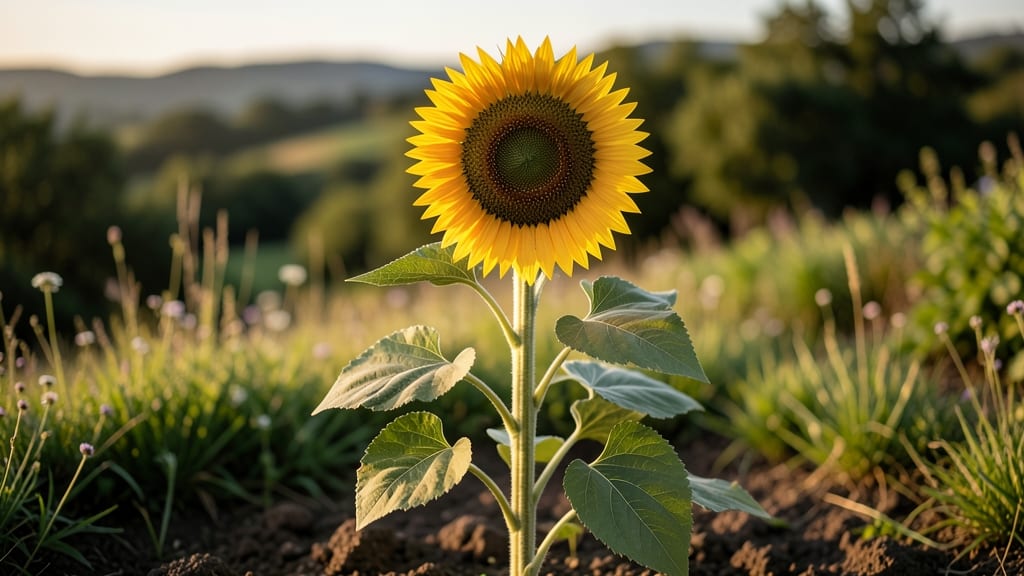
Sunflowers bloom in Texas between June and October, but the exact timing depends on where you live and which variety you plant 🌻 — a 3-month spread that can leave you guessing if you're not prepared.
Picture this: You plant your seeds in March in North Texas, only to watch your neighbors' sunflowers already towering over yours by July. Meanwhile, down in South Texas, the same variety might not even sprout until February because the heat arrives earlier.
That’s the Texas sunflower paradox — timing is everything, and one wrong move could mean blooms that arrive too late or never at all.
This isn’t just about picking a random month to plant. The USDA zones from 6a to 10a mean your North Texas garden behaves like a different planet compared to the Gulf Coast.
A Mammoth sunflower might take 120 days to bloom in Zone 6a, but only 90 days in Zone 10a — and that’s before you factor in heat waves or early frosts.
Here’s what you’ll discover: the exact planting windows for your region, the fastest-blooming varieties that beat the Texas heat, and pro tips to stretch your blooming season from summer to early fall — no matter where you garden.
Texas sunflower blooming seasons by region: exact months to plant and expect flowers
Texas’ diverse climate zones create wildly different sunflower blooming windows. In North Texas, frost delays planting until March-May, while Gulf Coast gardeners can start as early as January.
Even the same variety—like 'Autumn Beauty'—can bloom 6 weeks earlier in South Texas compared to the Panhandle. Understanding these regional differences ensures your sunflowers thrive and bloom on schedule.
To simplify planning, I’ve broken down the ideal planting months and peak bloom periods for Texas’ four key regions. Whether you’re growing tall Mammoth varieties or compact 'Teddy Bear' sunflowers, this guide helps you align your planting with local weather patterns for maximum flower power.
🌻 Key Insight: Sunflowers in Texas typically bloom 60-120 days after planting, but heat and daylight accelerate growth in southern regions while cooler temperatures slow blooming in North Texas.
In North Texas (USDA Zones 6a-7b), the last frost typically occurs around March 15, making this the ideal planting window. Varieties like 'Mammoth Russian' take 90-120 days to bloom, so planting by May 1 ensures flowers appear before first frost in November.
The peak bloom period stretches from mid-July to mid-September, giving you 2 full months of vibrant color.
Gardeners in Central Texas (Zones 8a-8b) enjoy an extended growing season. Planting between February 15 and April 15 guarantees blooms from June through August. 'ProCut', a popular variety for cut flowers, thrives here and blooms in just 50-60 days when planted early.
Staggered plantings can extend blooms into early September.
The Texas Hill Country (Zones 8a-8b) has a slightly cooler microclimate than Central Texas, delaying planting until late February.
However, the longer daylight hours in summer accelerate growth, resulting in earlier blooms—often starting as early as May 20. 'Moulin Rouge', with its striking red petals, is a standout choice for this region.
For Gulf Coast gardeners (Zones 9a-10a), sunflowers are nearly year-round possibilities. Planting as early as January ensures blooms by April, while late-March plantings extend the season through July.
The longer frost-free period (up to 300 days) allows for multiple plantings, creating a continuous display of sunflowers.
Pro tip: Use black plastic mulch in North Texas to warm soil faster and extend the planting window by 2-3 weeks. In Gulf Coast areas, shade cloth during 100°F+ heat waves prevents bolting and ensures taller, healthier stems.
To maximize your sunflower season, consider succession planting. In Central and Gulf Coast regions, plant every 2 weeks from February through April for
Fastest-blooming sunflower varieties for Texas heat: which ones flower in under 90 days?
If you're eager to see those bright sunflower blooms in Texas' scorching summers, choosing the right fast-blooming varieties is key. Many gardeners struggle with 100°F+ temperatures slowing growth, but these heat-tolerant picks can deliver color in as little as 45 days from planting.
Texas' USDA zones 6a-10a create unique challenges, but these varieties thrive in our climate. The 'Teddy Bear' variety, for example, not only blooms quickly but also handles intense heat better than most, making it perfect for South Texas gardeners.
🌻 Fastest-Blooming Sunflower Varieties for Texas
| Variety | Days to Bloom | Heat Tolerance (1-10) | Texas Bloom Window | Height (ft) |
|---|---|---|---|---|
| Teddy Bear | 45-55 | 9/10 | June-August | 2-3 |
| ProCut | 50-60 | 8/10 | May-September | 4-5 |
| Sunspot | 48-58 | 7/10 | June-September | 3-4 |
| Moulin Rouge | 55-65 | 8/10 | July-October | 5-6 |
| Autumn Beauty | 60-70 | 6/10 | August-November | 6-8 |
For North Texas gardeners in zones 6a-7a, aim to plant 'Teddy Bear' or 'Sunspot' in early April to catch summer blooms before fall temperatures drop. These varieties can handle 90°F+ days while still delivering vibrant color.
To extend your sunflower season, try staggered planting every 2 weeks. This ensures continuous blooms from June through October in most Texas regions. For example, plant 'ProCut' in March for early summer flowers, then again in June for fall blooms.
Watering deeply once a week during Texas summers helps these varieties thrive. Focus on keeping the soil moist but not soggy, especially during 100°F heatwaves. Mulching with straw can help retain moisture and protect roots from extreme temperatures.
Remember that shorter varieties like 'Teddy Bear' are perfect for containers or small spaces, while taller types like 'Moulin Rouge' need staking. With these fast-blooming picks, you'll enjoy sunflowers all summer long—no waiting months for color! 🌻