
Flowers
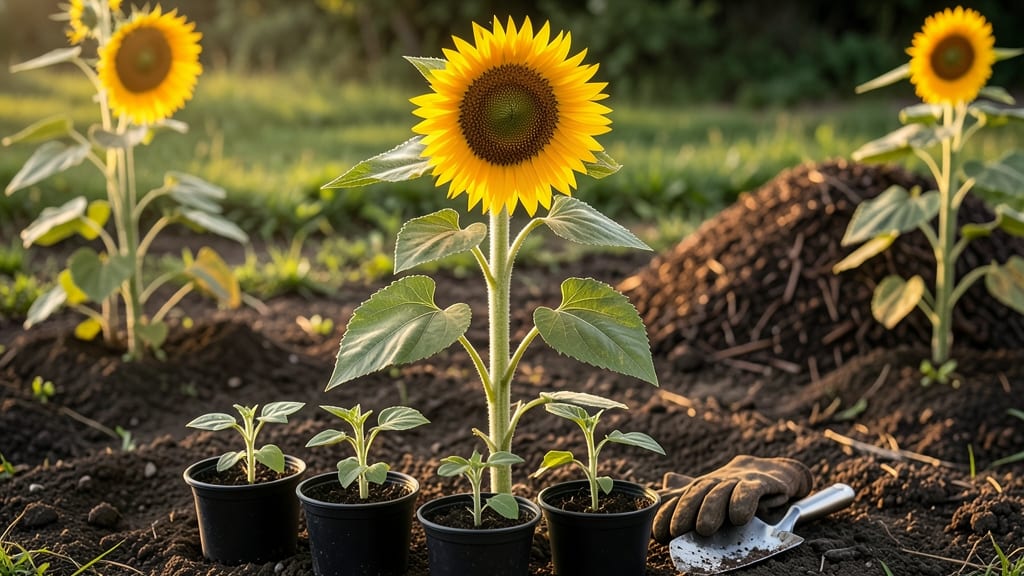
Plant sunflowers in Virginia from mid-April to early June after the last frost — a window that ensures bold, towering blooms instead of leggy, weak stems.
Sunflowers aren’t just cheerful garden stars—they’re drought-tolerant, pollinator magnets, and surprisingly low-maintenance. But timing your Virginia planting just right means the difference between towering, golden blooms and wilted disappointment.
Most of Virginia falls in USDA zones 6a-7b, where frost typically lifts by mid-April, but coastal areas can start earlier. Giant varieties like 'Mammoth' need the full growing season, while dwarf types like 'Teddy Bear' can handle a later start.
Here’s how to align your planting with Virginia’s climate zones, plus pro tips to maximize height, avoid bolting, and keep your 🌻 sunflowers thriving from seed to harvest.
Virginia’s USDA zones & exact sunflower planting months by region
Virginia’s diverse climate—from the cool mountain valleys of Zone 5a to the warm coastal plains of Zone 8a—means sunflower planting times vary dramatically. In Northern Virginia (5a-6b), you’ll need to wait until mid-April after frost, while Coastal Virginia (7b-8a) gardeners can start as early as late March.
These differences aren’t just about dates—they affect soil warmth, germination speed, and even final bloom height.
For giant sunflowers like ‘Russian Giant’ (12-14 ft), timing is critical—they need 90+ frost-free days to reach maturity. In contrast, dwarf varieties like ‘Teddy Bear’ (1-3 ft) are more forgiving and can handle earlier spring plantings or even late summer succession plantings for fall color.
Let’s break down the exact month-by-month windows for each Virginia region.
| USDA Zone | Region | Last Frost Date | Ideal Planting Window | Soil Temp (°F) | Best Varieties |
|---|---|---|---|---|---|
| 5a-6b | Northern VA (Mountains) | Mid-April | Mid-April to early May | 55-65°F | ‘Moulin Rouge’, ‘Autumn Beauty’ |
| 6a-7a | Piedmont (Richmond) | Late March | Late March to mid-May | 60-70°F | ‘Russian Giant’, ‘ProCut’ |
| 7b-8a | Coastal Plains (Norfolk) | Early March | Late March to early June | 65-75°F | ‘Teddy Bear’, ‘Sunspot’ |
In Zone 5a-6b (Northern Virginia), soil temperatures often linger below 55°F until mid-April, delaying germination. To speed things up, use black plastic mulch or plant in raised beds where soil warms faster.
For giant varieties, aim for early May plantings—this gives them enough time to mature before first frost in late October.
Gardeners in the Piedmont (6a-7a) have the most flexibility, with late March plantings possible in sheltered microclimates. This region’s warmer soils and longer growing season make it ideal for tall sunflowers.
If you’re growing ‘Russian Giant’, start seeds indoors in late February and transplant after last frost for maximum height.
For Coastal Virginia (7b-8a), the real advantage is extended growing seasons. You can plant dwarf varieties like ‘Sunspot’ as late as early June for fall blooms.
Humidity here can encourage powdery mildew, so space plants 18-24 inches apart and water at the base to keep foliage dry. Succession planting every 2-3 weeks ensures continuous blooms through October.
Regardless of zone, soil preparation is key. Sunflowers thrive in well-draining soil with a pH of 6.0-7.0. Work in compost before planting to improve fertility, and avoid over-fertilizing with nitrogen, which promotes leafy growth over flower production.
A light application of 10-10-10 fertilizer at planting time is usually sufficient.
Pro tip: Use a soil thermometer to monitor temperatures. Sunflower seeds need soil temps above 55°F to germinate consistently. In cooler zones, seedling trays under grow lights can give you a 2-week head start before transplanting.
For direct sowing, push seeds 1 inch deep and keep soil moist but not soggy until sprouts appear (usually 7-14 days).
Don’t overlook pest pressure when planning. In Zone 7a and warmer, sunflower moths and bird damage can be severe. Use row covers for young plants or plant tall varieties near bird feeders to distract feathered pests.
In cooler zones, slugs may target seedlings—apply diatomaceous earth or copper tape around containers for extra protection.
For maximum bloom height, avoid overcrowding. Space giant sunflowers 24 inches apart and dwarf varieties 12 inches apart. In small gardens, consider container growing—use 5-gallon pots for dwarf varieties and 15-gallon pots for semi-dwarf types like ‘ProCut’. Just ensure containers have drainage holes to
How to time sunflower planting for maximum bloom height & pollinator success
Sunflowers thrive when planted at the right time, but Virginia’s varied climate—from cool mountain zones to humid coastal plains—demands a tailored approach. Succession planting and proper soil preparation can extend your blooming season by up to 8 weeks, while companion plants like borage and marigolds deter pests and boost growth.
The key? Planting after the last frost but before soil temps exceed 80°F, which triggers bolting.
For maximum height, prioritize well-draining soil rich in organic matter. Amend clay-heavy Virginia soils with compost or sand to prevent root rot. Dwarf varieties (like 'Teddy Bear') tolerate cooler soils, while giant varieties (like 'Mammoth') need warmer conditions.
Test your soil’s pH—aim for 6.0-7.0—and adjust with lime or sulfur if needed.
🌱 Numbered Highlights for Virginia Sunflower Success
- 1 Plant after last frost (mid-April inland, late March coastal) to avoid frost damage. Use black plastic mulch in Zone 5a to warm soil faster.
- 2 Sow seeds 1 inch deep, 6 inches apart, and thin to 12-24 inches for optimal airflow. Succession plant every 2 weeks from May to July for continuous blooms.
- 3 Pair sunflowers with borage (repels tomato hornworms) or marigolds (deters nematodes). Avoid planting near potatoes, which compete for nutrients.
- 4 Water deeply 1-2 times weekly during germination. Once established, reduce to weekly deep soaks to encourage taller stems and larger blooms.
- 5 Fertilize with 10-10-10 at planting and again when plants reach 12 inches tall. Over-fertilizing leads to leafy growth over flower production.
To extend the blooming season, stagger plantings every 2 weeks from May through July. This ensures continuous pollinator support for bees and butterflies, which thrive on sunflower nectar. Dwarf varieties planted in late June can even bloom into early fall, providing late-season color and food for migrating birds.
Watch for bolting—when sunflowers flower prematurely due to heat stress. If your plants bolt too early, provide afternoon shade with shade cloth (30-50%) or plant in partial shade areas. Giant varieties are most susceptible; opt for 'Autumn Beauty' or 'ProCut' for heat tolerance.
Deadhead spent blooms to redirect energy into new flower production and prevent seed formation, which can weaken the plant. Save seeds from your healthiest sunflowers for next year’s garden—Virginia’s climate is ideal for overwintering seeds in dry, cool conditions.
Store them in a paper bag in a dark, dry place until spring.
With the right timing and care, your Virginia sunflowers can reach 12+ feet tall and attract hundreds of pollinators daily. Start with succession planting, prioritize soil health, and pair with companion plants for a thriving, pollinator-friendly garden that blooms from summer to fall. 🌻