
Planting
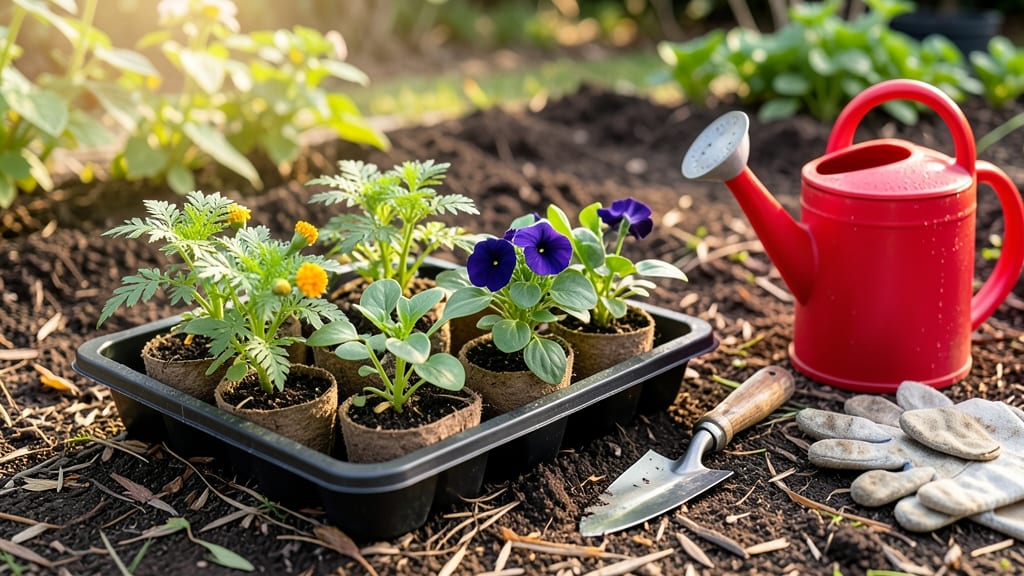
Transplanting flower seedlings at the right time ensures they thrive and bloom beautifully 🌸 — and getting it wrong can mean stunted growth or worse.
Picture this: you’ve nurtured your delicate flower seedlings indoors, only to rush them outside too early, where a late frost or cold snap wipes them out overnight. Or worse, you wait too long, and they become root-bound and leggy, struggling to recover.
The difference between a vibrant garden and a sad, patchy one often comes down to timing.
In Zone 6a, where many gardeners live, the ideal window is after your last frost date—typically April to May—but soil temperature and seedling readiness matter just as much.
I’ll walk you through how to read the signs, adjust for your specific zone, and transplant with confidence so your flowers take root without stress.
You’ll learn the exact hardiness zone schedule, how to harden off seedlings, and what to watch for in the days after transplanting. No more guesswork—just strong, healthy plants ready to burst into color.


Hardiness zone transplanting timeline: exact weeks before last frost
Timing your flower seedlings' transplant perfectly depends on your USDA hardiness zone, soil temperature, and local frost dates. In most zones, transplanting 4-6 weeks before the last frost date gives seedlings enough time to establish roots before cold snaps.
For example, in Zone 6a, where last frost typically hits around April 15, aim to transplant by mid-March—but only if soil temperatures stay above 50°F (10°C).
Soil temperature is critical—most flower seedlings need 55-65°F (13-18°C) to thrive after transplanting. Use a soil thermometer to check; cool soil slows root growth and increases transplant shock.
In warmer zones (8-10), you can transplant 2-3 weeks before last frost since frost risk is minimal, but monitor nighttime temperatures to avoid chilly surprises.
Annual flowers like marigolds and petunias are more flexible with timing, while perennials such as coneflowers or lavender need extra time to root before winter. Perennials should go in the ground 6-8 weeks before frost to establish deep roots for survival. Always check your local frost calendar—even within the same zone, microclimates can shift transplant windows by 2-4 weeks.
Here’s how to calculate your exact transplant window: Find your last frost date (use the USDA’s Plant Hardiness Zone Map), then count backward based on your seedling type.
For cool-season flowers (like pansies), transplant 6-8 weeks before frost; for warm-season flowers (like zinnias), wait until 2-4 weeks before frost when soil warms.
| USDA Zone | Last Frost Date | Transplant Window (Weeks Before Frost) | Soil Temp Requirement | Ideal Seedling Stage |
|---|---|---|---|---|
| 3-4 | Late May | 8-10 weeks (early April) | 50-55°F (10-13°C) | 4-6 true leaves |
| 5-6 | Mid-April | 6-8 weeks (late February) | 55-60°F (13-16°C) | 3-5 true leaves |
| 7-8 | Early March | 4-6 weeks (late January) | 60-65°F (16-18°C) | 2-4 true leaves |
| 9-10 | Mid-January | 2-4 weeks (late December) | 65-70°F (18-21°C) | 1-2 true leaves |
Watch for seedling readiness cues like true leaves (not cotyledons) and root-bound conditions. If roots are circling the pot, it’s time to transplant—even if your zone’s timeline suggests waiting. For heat-loving flowers (e.g., geraniums, salvias), delay until soil hits 65°F (18°C), even if your zone allows earlier transplanting.
In Zone 5 or colder, consider using row covers or cold frames to extend your transplant window by 2-3 weeks. These protect seedlings from late frosts while letting them harden off.
For Zone 9-10 gardeners, transplant in late winter to avoid summer heat stress—many flowers prefer cooler roots and warmer air.
Pro tip: Hardy annuals like snapdragons can handle light frosts after transplanting, but tender perennials (e.g., lavender) need full root establishment before winter.
Always check the specific plant’s hardiness—some perennials (like black-eyed Susans) thrive when transplanted in early spring, while others (like bee balm) prefer fall planting.
If your seedlings have 6+ true leaves but soil is still too cold, delay transplanting and focus on hardening them off. Gradually expose them to outdoor conditions (wind, sun, cooler temps) over 7-10 days to reduce shock.
For warm-season flowers, this means starting in late winter even if you won’t plant
Signs your flower seedlings are ready to transplant (not just age)
Transplanting seedlings too early or too late can mean the difference between a thriving garden and a sad, struggling one. While many gardeners rely on age as a guideline, physical readiness is far more important.
Look for these key indicators before moving your seedlings outside: 4-6 true leaves, a sturdy stem diameter, and roots that fill the container. These signs tell you your seedlings are strong enough to handle outdoor conditions without shock.
Another critical factor is nighttime temperatures. In Zone 6a, seedlings should only go outside when nighttime temps stay above 50°F consistently. A late frost can devastate tender seedlings, so always check your local frost date calendar.
I’ve learned the hard way—last spring, I transplanted marigolds too early, and a surprise frost wiped out my entire batch overnight. Don’t let that happen to you!
Here’s what to watch for in your seedlings before transplanting:
Too Early to Transplant
Seedlings bend easily or flop over when touched.
Only cotyledons (seed leaves) or 1-3 true leaves.
Roots circle the pot but aren’t growing outward.
Signs of nutrient deficiency or overcrowding.
Frost risk remains high in your hardiness zone.
Perfect Timing to Transplant
Seedlings have developed strong foliage.
Stands upright without support; diameter is pencil-thick.
Healthy root mass with white tips growing outward.
No yellowing or browning; vibrant color indicates health.
No frost risk for at least 1-2 weeks.
Use a soil thermometer to confirm.
One of my favorite tricks is the "finger test" for roots. Gently squeeze the base of the seedling—if roots resist and feel firm, they’re ready. If they’re mushy or easily pulled apart, wait a few more days.
I also check the soil temperature with a simple thermometer; seedlings need at least 60°F soil to thrive after transplanting. Cold soil shocks roots and slows growth.
Don’t forget to harden off your seedlings 7-10 days before transplanting. Gradually expose them to outdoor conditions—start with 1-2 hours in the shade, then increase exposure over a week. This toughens their stems and leaves, so they’re better equipped to handle wind, sun, and temperature fluctuations once planted.
I’ve seen seedlings that weren’t hardened off wilt dramatically within hours of transplanting.
Finally, pay attention to the time of day you transplant. Early morning is ideal—cooler temps reduce stress, and seedlings have time to settle in before the heat of the day. Avoid transplanting on windy days or when rain is forecasted, as these conditions can stress young plants.
With these signs in mind, your seedlings will be ready to thrive in their new home.