
Companion Plants
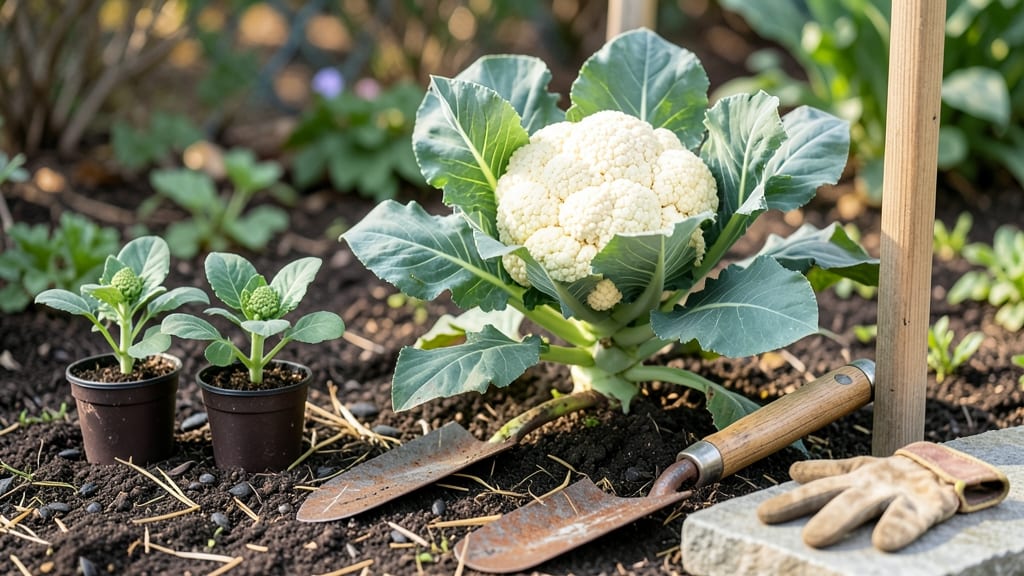
Planting cauliflower in Pennsylvania at the right time means the difference between a perfect, firm head and a bitter, bolted mess.
Struggling to grow perfect cauliflower heads in Pennsylvania? Timing is everything—plant too early or late, and you risk bolting or poor harvests in USDA Zones 6-7.
The key is understanding when your local soil warms enough for seeds to germinate (50-75°F) and how many days until the first frost.
In Pennsylvania, you’ve got two chances: early spring (March-April) for a late spring harvest or late summer (July-August) for an early fall crop. But get the timing wrong, and you’ll either freeze your seedlings or watch them bolt before forming heads.
Below, I’ll break down the exact weeks to plant by region, how to adjust for late frosts, and the top 3 varieties that actually thrive in PA’s climate. No more guessing—just bolting-free harvests.
Best planting windows for cauliflower in PA (Zone 6-7)
Timing your cauliflower planting in Pennsylvania’s Zone 6-7 is critical—get it wrong, and you’ll end up with bitter, loose heads or plants that bolt too early. The key is planting when soil temperatures hit 50-75°F for germination, while avoiding late spring frosts that can stunt growth.
I’ve grown cauliflower here for years, and I’ve learned the hard way that March-April and July-August are your golden windows for success.
Cauliflower is a cool-season crop, but it’s not frost-tolerant like kale or spinach. Seedlings can handle light frosts (28°F), but mature plants will suffer if temperatures dip below 50°F for extended periods.
In PA, our last frost date typically falls between April 15 and May 1, depending on your microclimate. For fall harvests, aim to plant 10-12 weeks before your first frost (usually mid-October in most of the state).
Here’s the comparison-table breaking down the exact planting windows, soil temperature requirements, and frost considerations for both spring and fall harvests in PA:
If you’re starting seeds indoors (which I recommend for fall harvests), begin them 8-10 weeks before transplanting. For spring, this means sowing seeds indoors by mid-January to early February under grow lights (cauliflower needs 14-16 hours of light daily to prevent legginess).
Use seedling heat mats if your home gets chilly at night—cauliflower seeds germinate best at 70-80°F.
One mistake I’ve seen new gardeners make is planting too late in spring. By May 15, daytime temperatures in PA often climb above 75°F, triggering bolting. If you miss the spring window, don’t despair—fall plantings can be just as productive.
Just be prepared to harvest before hard frosts hit in October. I’ve had success with ‘Snowball Y Improved’ in fall, as it matures in 70 days and handles cooler temps better
How to prevent cauliflower bolting in Pennsylvania’s unpredictable climate
Pennsylvania’s unpredictable spring weather can turn your cauliflower dreams into bolting nightmares. When temperatures swing from chilly mornings to warm afternoons, plants detect it as a signal to flower prematurely. This stress response skips the head formation stage, leaving you with bitter stalks instead of tender curds.
The key to success? Strategic variety selection and environmental control—two tactics that work hand-in-hand in our Zone 6-7 climate.
First, let’s talk seed selection. Not all cauliflower varieties react the same way to Pennsylvania’s long daylight hours. Short-day varieties (like 'Snowball Y Improved') thrive when daylight exceeds 14 hours, which happens in late spring.
Meanwhile, long-day varieties (such as 'Purple of Sicily') tolerate extended light but still need careful timing. For spring plantings, opt for cold-hardy short-day types to avoid bolting before heads form. In fall plantings, long-day varieties can work if seeded early enough to mature before frost.
🌱
🚨 PA-Specific Bolting Warning
Pennsylvania’s spring frost dates (late March to mid-April) and fall frost dates (mid-October to early November) create a 60-day window for cauliflower growth. Plant too early, and cold soil delays germination. Plant too late, and heat stress triggers bolting. Aim for soil temps between 50-75°F—use a soil thermometer to confirm. For spring, start seeds indoors 4-6 weeks before last frost. For fall, direct-sow 10-12 weeks before first frost.
Next, shade cloth becomes your best friend during Pennsylvania’s hot, humid summers. When daytime temps hit 85°F+, cauliflower plants bolt within 7-10 days. A 30-50% shade cloth reduces light intensity by 15-30%, tricking plants into focusing on head growth instead of flowering.
Install it permanently over rows or use movable frames for flexibility. Pair this with drip irrigation to maintain consistent soil moisture—fluctuations of just 10% moisture can trigger bolting.
Moisture management is where many Pennsylvania gardeners stumble. Cauliflower needs 1-1.5 inches of water weekly, but drought stress or waterlogging both cause bolting. Use mulch (straw or black plastic) to retain moisture and regulate soil temperature.
In containers, water every 1-2 days—small pots dry out faster than in-ground beds. A self-watering system (like buried clay pots) can help automate this critical task during unpredictable PA weather.
Finally, fertility timing plays a hidden role in bolting prevention. Over-fertilizing with high-nitrogen feeds encourages leafy growth at the expense of heads. Instead, use a balanced 5-10-10 fertilizer and apply it lightly every 4-6 weeks.
When heads begin forming, switch to a low-nitrogen, high-phosphorus feed (like 0-20-20) to support curd development. Avoid organic compost tea late in the season—its high nitrogen can send plants into a bolting frenzy.
With these three strategies—variety selection, shade management, and moisture control—you’ll outsmart Pennsylvania’s unpredictable climate and enjoy bolting-free harvests from May through October. The secret? Stay ahead of the weather, not behind it. 🌿