
Flowers
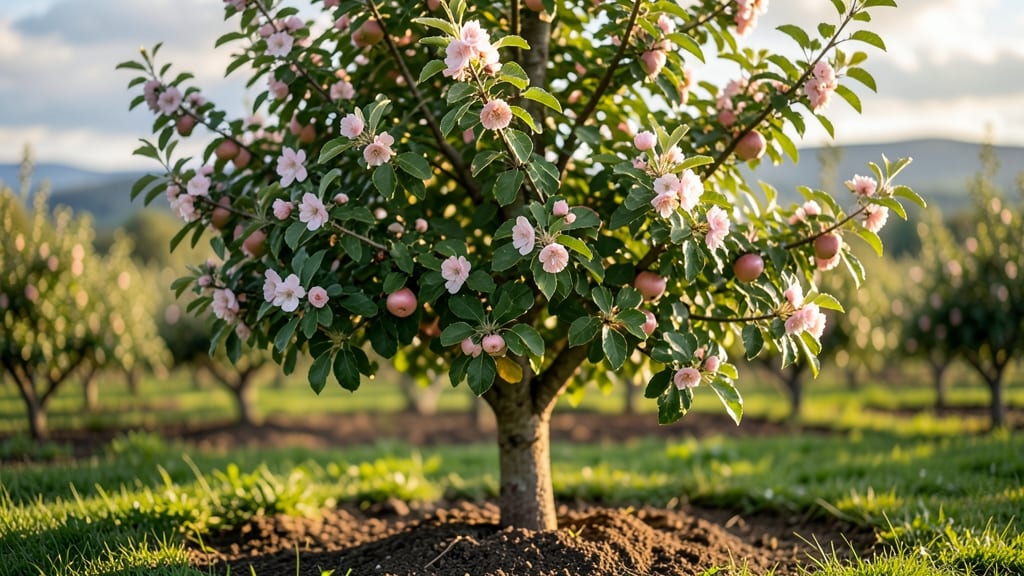
Apple tree flowers transform into fruit through a delicate process called pollination, where bees, wind, and timing play starring roles.
Did you know that 90% of apple tree flowers fail to produce fruit without proper pollination? Understanding this critical process can transform your orchard from a disappointment to a bounty of crisp, juicy apples.
In this guide, I’ll walk you through the science behind how apple blossoms become fruit—from the role of bees and wind to the differences between self-pollinating and cross-pollinating varieties.
You’ll also learn the 5 critical factors that determine whether your 🍎 tree will bear a harvest or leave you with empty branches.
Whether you’re troubleshooting poor fruit set or optimizing conditions for a heavy harvest, these insights will help you grow apples like a pro—no guesswork required.
How apple tree flowers develop into fruit: the science of pollination
Every spring, your apple tree bursts into pink and white blossoms, creating a stunning display—but what happens next? Those delicate flowers must successfully transform into fruit through a fascinating process called pollination.
Without it, your tree could produce hundreds of blooms and zero apples. Let’s break down the step-by-step science behind this magical (and essential) process.
The journey from apple tree flowers to fruit begins when pollen from one flower’s anthers reaches another flower’s stigma. This transfer triggers fertilization, leading to fruit development.
But here’s the catch: not all apple trees pollinate themselves. Some rely on cross-pollination, while others can self-pollinate. Understanding these differences is key to maximizing your harvest.
Did you know? A single apple tree can produce up to 200,000 flowers, but only about 5% will successfully develop into fruit without human intervention. That’s why knowing the science—and a few pro tips—can dramatically improve your yield.
| Stage | Process | Key Players |
|---|---|---|
| Flowering | Blooms open in spring (April-May). | Bees, wind, or human pollinators. |
| Pollination | Pollen transfers to stigma. | Bees (70% of pollination), wind. |
| Fertilization | Sperm cell fertilizes ovule. | Tree’s internal biology. |
| Fruit Set | Ovary swells into tiny apples. | Tree’s energy and nutrients. |
| Development | Apples grow over 3-4 months. | Sunlight, water, and nutrients. |
The first critical step is flowering, which occurs when temperatures rise above 50°F (10°C) after winter dormancy. Apple trees typically bloom in late April to early May, depending on your USDA hardiness zone.
During this time, flowers release sweet nectar to attract pollinators like bees, which carry pollen from flower to flower.
If you’re growing self-pollinating varieties like ‘Liberty’ or ‘Enterprise,’ your tree can fertilize its own flowers. However, most commercial and heirloom varieties—such as ‘Granny Smith’ or ‘Fuji’—require cross-pollination. This means planting at least two compatible apple tree varieties within 50 feet of each other to ensure successful fruit set.
Once pollination occurs, the real magic happens inside the flower. The pollen grain germinates on the stigma, forming a pollen tube that grows down to the ovule. When fertilization is complete, the ovary begins swelling—this is the moment tiny apples start forming.
This stage is called fruit set, and it’s when many gardeners thin excess fruit to improve size and quality.
After fruit set, the tree’s energy shifts from flower production to fruit development. Apples grow rapidly over the next 3-4 months, requiring consistent care. Proper watering, balanced fertilization, and protection from pests are essential. Without these, your apples may drop prematurely or develop poorly.
One common misconception is that all apple tree flowers will turn into fruit. In reality, only about 5-10% of flowers successfully set fruit due to natural competition for resources. This is why thinning apples in late spring or early summer is crucial—it ensures the remaining fruit grows larger and healthier.
For home gardeners, encouraging pollinators is one of the easiest ways to boost fruit production. Planting bee-friendly flowers like lavender or clover near your orchard can attract more bees, increasing pollination rates. Additionally, avoiding pesticides during bloom time protects these vital pollinators.
Finally, keep an eye on weather conditions. Cold snaps during bloom can damage flowers, while excessive rain can wash away pollen. If you notice poor fruit set, consider hand-pollinating by gently transferring pollen with a small brush between flowers on different trees.
5 Critical factors that determine successful apple tree fruit set
When your apple tree flowers fail to turn into fruit, it’s often because one or more of these 5 critical factors aren’t aligned. Pollination success depends on a perfect storm of conditions—from weather patterns to tree health.
Let’s break down what truly matters to ensure your blossoms become a harvest-worthy bounty.
First, bloom timing is everything. Apple trees bloom in late spring, but if frost hits too early or too late, those delicate white and pink flowers can get damaged before pollinators even arrive.
Even a single cold snap can wipe out your entire crop before it starts. I’ve seen entire orchards lost to late frosts, so timing is non-negotiable.
🌱
-
1Weather Conditions: Ideal pollination requires warm days (60-75°F) and cool nights (50-60°F) during bloom. Rain or wind can disrupt bee activity or wash away pollen.
-
2Bloom Timing: Align flowering windows with pollinator activity. Late frosts or early heat waves can kill blossoms before pollination occurs.
-
3Pollinator Activity: Bees and butterflies are essential for cross-pollination. Plant bee-friendly flowers (like lavender or clover) nearby to attract them during bloom season.
-
4Tree Health: A nutrient-deficient or stressed tree produces fewer flowers or weak pollen. Ensure your tree gets balanced fertilization (10-10-10 NPK) in early spring.
-
5Fertilization Techniques: Over-fertilizing with high nitrogen promotes leaves over fruit. Use a low-nitrogen, high-phosphorus fertilizer (like 5-10-10) during bloom to support fruit development.
Next up is pollinator activity. While some apple varieties are self-pollinating (like Granny Smith), most rely on bees to transfer pollen between flowers. If your orchard lacks bee traffic, you might end up with empty blossoms.
I’ve had success planting pollinator-friendly perennials like basil, marigolds, or sunflowers near my trees to draw in bees during bloom season.
Don’t overlook tree health either. A weak or diseased tree won’t produce enough energy to support fruit set. Regular pruning (especially in late winter) improves airflow and sunlight penetration, while soil testing ensures your tree gets the right nutrients.
I always check my soil’s pH level—apple trees thrive in slightly acidic soil (pH 6.0-6.5).
Finally, proper fertilization is a game-changer. Too much nitrogen leads to lush foliage but fewer apples, while too little phosphorus can stunt fruit development. I recommend a balanced fertilizer in early spring, followed by a phosphorus-rich boost during bloom.
For example, a 5-10-10 NPK ratio works wonders for my Honeycrisp trees.
By mastering these 5 critical factors, you’ll turn those apple tree flowers into a harvest that rivals any orchard. Start with weather monitoring, attract pollinators, and keep your tree healthy and fed—your future apples will thank you! 🍏