
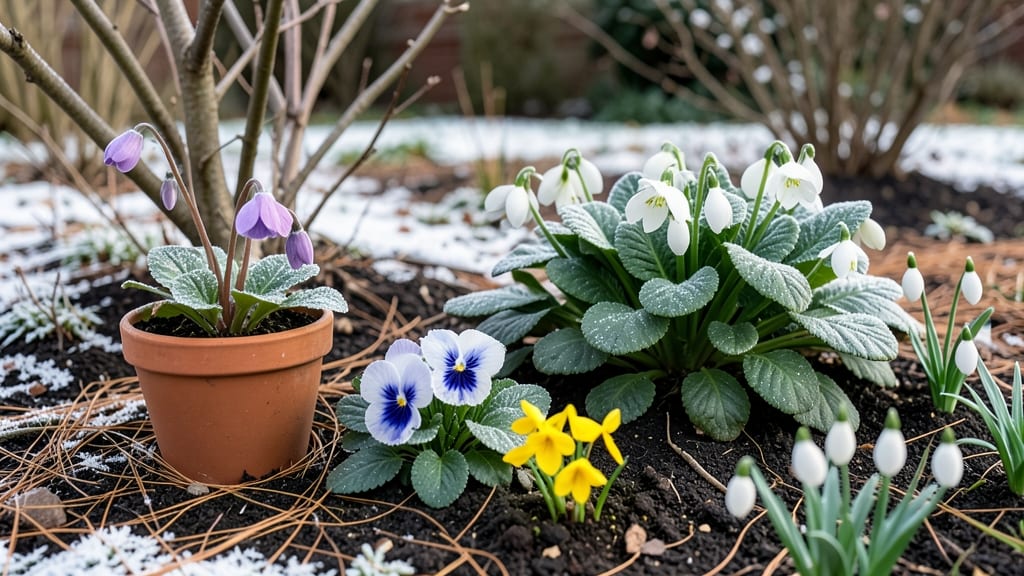
Are There Flowers That Bloom in Winter: 12 Cold-Hardy Varieties for Year-Round Color

Flowers

Are There Flowers That Bloom in Winter: 12 Cold-Hardy Varieties for Year-Round Color

Are there flowers that bloom in winter? Yes, and they can transform your garden into a vibrant haven when most plants are dormant.

Picture this: snow dusting the branches while delicate blooms pop with color against a crisp blue sky. It’s not just possible—it’s easier than you think with the right cold-hardy varieties.

From hellebores that brave Zone 4 winters to camellias that thrive in Zone 7, these flowers defy frost and bring life to your landscape when others fade away.

In this guide, I’ll share 12 top winter bloomers, their care secrets, and how to extend their season—so your garden stays stunning from December to February.

12 Winter-blooming flowers that thrive in cold climates

Winter gardens often get overlooked, but with the right cold-hardy flowers, you can transform your landscape into a vibrant winter wonderland. These frost-resistant varieties not only survive freezing temperatures but thrive, offering stunning blooms when most gardens are dormant.

Whether you're in USDA Zone 4 or Zone 8, there are winter-blooming options that will keep your garden colorful and lively throughout the coldest months.

Many gardeners assume winter means bare branches, but these winter-blooming perennials prove otherwise. From delicate Hellebores to bold Camellias, each variety brings unique textures and colors to your garden.

The key to success lies in selecting plants that match your local climate and providing proper care to ensure they bloom reliably year after year.

Below is a curated list of 12 winter-blooming flowers that will bring life to your garden, along with their hardiness zones, bloom periods, and care requirements. These selections are perfect for gardeners looking to extend their growing season and enjoy winter color.

How to choose and care for winter flowers in your garden

Winter doesn’t have to mean bare landscapes—with the right cold-hardy flowers, you can create a vibrant garden that thrives even when temperatures drop. The key is selecting varieties that resist frost and understanding their specific care needs.

From hellebores to winter jasmine, these plants are designed to defy seasonal dormancy and keep your garden lively.

Before planting, assess your USDA hardiness zone to choose flowers that will survive your local winters. For example, pansies and snapdragons often handle zones 3-10, while camellias prefer milder zones 7-9.

Once you’ve picked your varieties, focus on preparing the soil with organic matter to improve drainage and retain moisture—critical for winter survival.

❄️ Cold-Hardy Winter Flowers: Are There Really Flowers That Bloom in Winter?

Yes! Many flowers thrive in winter with the right care. Here are the top 3 types to consider:

  • Evergreen perennials like heather and boxwood provide structure and color year-round.
  • Early bloomers such as crocuses and snowdrops emerge as soon as snow melts.
  • Woody shrubs like winter jasmine and dwarf lilacs offer fragrant blooms in late winter.

✅ Pro Tip: Group plants with similar water needs and sunlight requirements to simplify care.

Protecting your winter flowers from frost is essential. Use mulch around the base of plants to insulate roots, and consider frost cloth for delicate varieties. For container-grown flowers, move pots to sheltered spots or wrap them in bubble wrap during extreme cold snaps.

Even a 10°F drop can stress plants, so monitor weather forecasts and act quickly.

To extend the bloom season, deadhead spent flowers regularly to encourage new growth. For perennial varieties, prune lightly in early spring to shape the plant and remove damaged stems.

Avoid heavy pruning in winter, as it can stimulate new growth that won’t survive frost. Instead, focus on cleanup tasks like removing debris, which can harbor pests or diseases.

Don’t forget about watering needs—even in winter, plants require moisture, though less frequently than in summer. Water deeply but infrequently, aiming for once every 1-2 weeks unless you’re experiencing a thaw.

Overwatering can lead to root rot, especially in poorly draining soil, so always check moisture levels before watering.

Incorporate winter flowers into your garden design by creating layered borders with tall shrubs in the back, mid-height perennials, and low-growing annuals in the front. This not only enhances visual interest but also protects smaller plants from harsh winds.

For containers, choose compact varieties like pansies or violas to maximize space and color.

With the right selection and care, your winter garden can be a year-round showstopper. Experiment with different varieties, and soon you’ll have a landscape that’s as lively in January as it is in July! 🌷

★★★★★4.8(14 reviews)
Categories Flowers
Plant Name Hardiness Zone Bloom Period Sunlight Needs Color Palette
Hellebore (Lenten Rose) 4-9 Late winter to early spring Partial shade White, pink, purple
Winter Jasmine (Jasminum nudiflorum) 5-9 Late winter to early spring Full sun Yellow
Camellia 7-10 Fall to winter Partial shade Red, pink, white
Pansy (Viola) 3-11 Winter to early spring Full sun to partial shade Purple, yellow, blue
Snowdrop (Galanthus) 3-9 Late winter Partial shade White
Winter Aconite (Eranthis hyemalis) 4-8 Late winter Full sun to partial shade Yellow
Crocus 3-9 Winter to early spring Full sun Purple, white, yellow
Daphnoides (Winter Daphne) 5-9 Late winter Partial shade White, pink
Winter Honeysuckle (Lonicera fragrantissima) 4-9