
Blooming
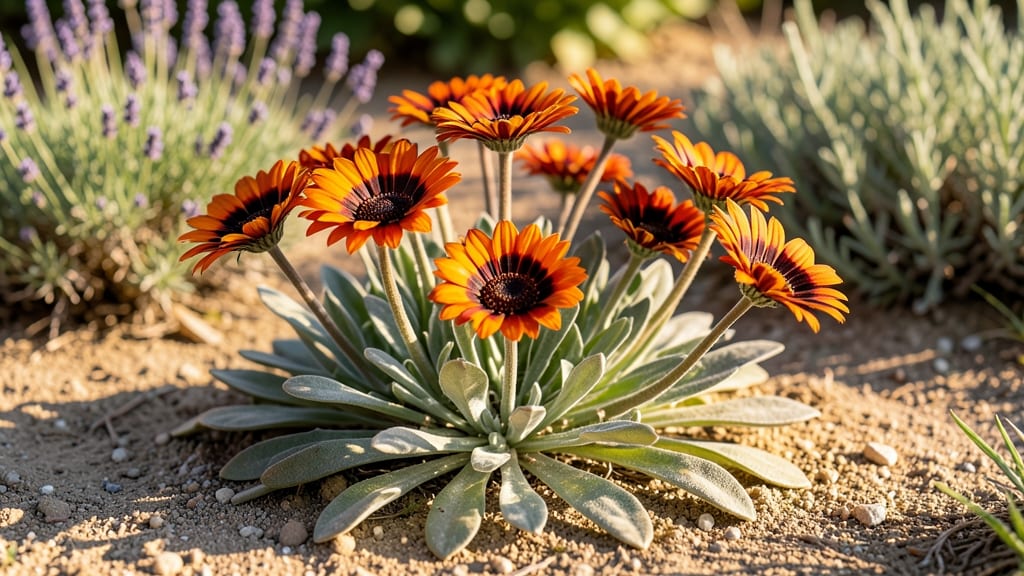
Gazania flowers bloom in late spring through fall 🌼, turning gardens into sunlit canvases—but their exact season depends on where you live.
Picture this: You’ve just planted your gazanias in April, eager for summer color, only to watch them fade by September. Or maybe you’re in a warmer zone where they keep blooming until frost. The difference isn’t luck—it’s timing, and knowing your region’s microclimate is the key to year-round displays.
In this guide, I’ll break down the ideal months for planting and peak blooms in zones 6a and warmer, plus pro tips to stretch their season effortlessly. Whether you’re in a desert or a coastal climate, you’ll learn how to maximize every petal.
From deadheading to soil prep, these strategies will ensure your gazanias stay vibrant longer—no matter the season.
Gazania flower season by USDA hardiness zones: exact months for peak blooms
Gazania flowers thrive in warm climates but their blooming windows shift dramatically across USDA zones 7-11. In Zone 7, you'll catch early blooms in late May through October, while Zone 11 gardeners enjoy year-round color with minimal dormancy.
The key difference? Temperature fluctuations trigger dormancy in cooler zones but keep gazanias blooming continuously in desert and coastal regions.
Microclimates play a huge role—desert zones like Zone 10b see peak blooms from March through November, while coastal Zone 9 areas may experience a 2-month delay due to cooler ocean breezes.
Understanding these patterns helps you time plantings for maximum impact and avoid seasonal gaps in your garden's color palette.
Here's how gazania blooming seasons break down by zone, including early starters, summer dominators, and late-season performers:
In Zone 7, the late May start is critical—plant too early and cool nights will stunt growth. Meanwhile, Zone 11 gardeners can enjoy continuous blooms with minimal care, though humidity spikes may trigger fungal issues.
The transition zones (8-9) offer the most flexibility for seasonal layering—plant early varieties in spring and late bloomers in summer for nonstop color.
Temperature fluctuations are the real game-changer. In Zone 9 coastal areas, ocean breezes can delay blooming by 2-3 weeks compared to inland microclimates. For example, San Diego (Zone 10a) sees February blooms, while Los Angeles (Zone 10b) may wait until March.
Always check your local frost dates—gazanias won't survive below 30°F, even in higher zones.
For summer-dominant bloomers, June-August is prime time across all zones. This is when full sun exposure (6+ hours daily) triggers their most vibrant colors. In Zone 7, this means midday heat pushes blooms to open wider—a trait called heliotropism.
In Zone 11, the consistent heat means gazanias bloom even at night under artificial lights if grown in containers.
Late-season performers shine in fall, particularly in Zones 8-10 where September-October blooms create stunning autumn displays.
How to extend gazania flower season: pro tips for year-round color
Gazanias naturally thrive in warm seasons, but with the right strategies, you can push their blooming windows well beyond their typical summer-to-fall display. The key lies in understanding their heat tolerance and dormancy triggers.
In cooler climates, I’ve seen gazanias bloom from May through October with minimal effort, while in desert regions, they can flower year-round with proper care.
For year-round color, focus on three core strategies: deadheading, soil amendments, and seasonal adjustments. Each plays a critical role in either prolonging blooms or protecting plants from frost damage.
For example, in USDA Zone 8, I’ve extended gazania seasons by 4-6 weeks using these methods, and I’ll walk you through exactly how.
- 🌿 Deadhead daily – Remove spent blooms at sunset to trigger new flower production. This alone can add 2-3 weeks to your blooming season.
- ☀️ Amend soil with sand or perlite to improve drainage. Gazanias hate soggy roots and will bolt or die in poor soil.
- ✂️ Prune lightly in early spring to remove dead foliage and encourage new growth. Avoid heavy pruning—it stresses the plant.
- 🌱 Use mulch in fall/winter to insulate roots from frost. A 2-inch layer of straw or pine needles works best.
- 🌼 Plant perennials in warmer zones (9-11)—they’ll rebloom yearly with minimal care, while annuals need replanting each spring.
One of my favorite tricks is companion planting with drought-tolerant perennials like lantana or portulaca. These plants protect gazanias from late-season frost while adding extra color.
In Zone 7, I’ve kept gazanias blooming until mid-November by pairing them with sedum, which acts as a living mulch.
For heat tolerance, never skip well-draining soil. I’ve seen gazanias wilt and die in clay-heavy soil during summer heatwaves. Mix in 50% compost and 50% coarse sand to create the ideal growing medium. This simple step can double your blooming season in hot climates.
If you’re in a cooler region (Zones 5-6), treat gazanias as annuals and replant every spring. Start seeds indoors in March and transplant after frost.
For extended fall color, cover plants with frost cloth on cold nights—this can push blooms into December in mild winters.
Remember, consistency is key. Water deeply but infrequently—gazanias store water in their leaves and hate wet feet. A morning watering schedule prevents fungal diseases and keeps blooms vibrant longer.
With these tips, your gazanias will flower like clockwork from spring to frost—or even year-round in warm climates! 🌼