
Size
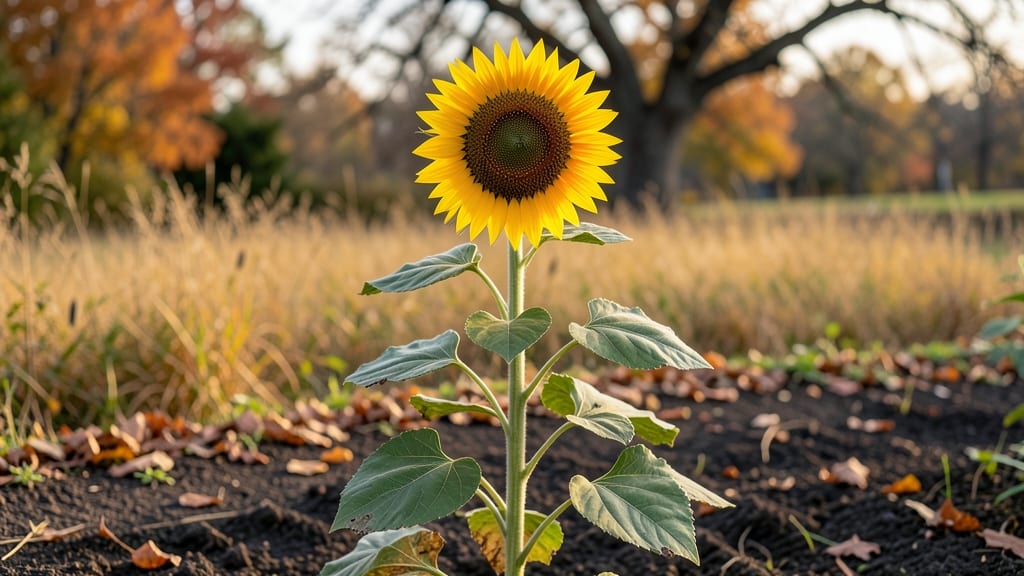
The Autumn Beauty sunflower height can reach between 6 and 8 feet—towering like a natural skyscraper in your garden 🌻.
If you're dreaming of sunflowers that burst with fiery autumn hues but aren’t sure whether to plant dwarfs or giants, you’re in the right place. The Autumn Beauty sunflower’s height can make or break your garden’s aesthetic—and we’ll show you exactly how to choose.
This variety isn’t just about size; it’s about the bold, deep red and yellow blooms that turn heads in late summer. But those stunning flowers need the right conditions to thrive, from full sun to well-drained soil. Without proper care, even the tallest stems can struggle.
In this guide, you’ll discover how to maximize height, troubleshoot stunted growth, and pair your sunflowers with the perfect companions. Let’s grow those 6-to-8-foot giants the right way!

Autumn Beauty sunflower height guide: dwarf vs giant varieties explained
The Autumn Beauty sunflower is a showstopper in any garden, but its height variations can dramatically change your landscape design. Whether you're envisioning a whimsical cottage garden with petite blooms or a dramatic focal point with towering stalks, understanding the differences between dwarf and giant varieties is key.
Dwarf types typically reach 18–24 inches tall, while giants soar to 4–6 feet, creating entirely different visual impacts.
For container gardening or small spaces, dwarf Autumn Beauty sunflowers are ideal—they thrive in patio pots and window boxes while still delivering vibrant autumn hues.
In contrast, giant varieties command attention in perennial borders or as backdrop plants, their towering stems providing structure and height to your garden layout. The choice hinges on your space and design goals.
| Variety | Height Range | Bloom Time | Stem Strength | Best For |
|---|---|---|---|---|
| Dwarf Autumn Beauty | 18–24 inches | Late summer to fall | Moderate (may need staking) | Containers, borders, pollinator gardens |
| Semi-Dwarf Autumn Beauty | 24–36 inches | Late summer to fall | Strong (minimal staking) | Cut flower gardens, mixed borders |
| Giant Autumn Beauty | 4–6 feet | Mid to late summer | Very strong (self-supporting) | Backdrop planting, focal points, large gardens |
One of the most striking differences between these varieties is their blooming timeline. Dwarf Autumn Beauty sunflowers often bloom slightly later than their giant counterparts, extending your seasonal color display.
This delayed bloom can be a game-changer if you're aiming for a sequential flowering garden, where early, mid, and late-season blooms create a continuous show. Giants typically bloom first, providing an early burst of color.
The stem strength of each variety also plays a role in your garden planning. Dwarf types may require light staking to prevent flopping, especially in windy conditions or when laden with heavy blooms. In contrast, giant varieties boast self-supporting stems, making them low-maintenance choices for backyard focal points.
If you're growing Autumn Beauty sunflowers for cut flowers, the giants' sturdy stems make them ideal for long-lasting bouquets.
When designing your garden, consider how these heights interact with other plants. Dwarf varieties pair beautifully with ground covers like creeping thyme or low-growing perennials such as lavender. Meanwhile, giants can be planted behind shrubs or smaller perennials to create depth and draw the eye upward.
For urban gardens with limited space, dwarf varieties are a practical choice, while rural or spacious gardens can accommodate the grandeur of giants.
Another factor to weigh is pollinator appeal. All Autumn Beauty sunflowers, regardless of height, attract bees, butterflies, and birds, but their accessibility varies. Dwarf varieties are easier for ground-feeding pollinators like bees to access, while giants provide perching spots for birds and higher-flying insects.
If you're designing a pollinator-friendly garden, consider planting a mix of heights to cater to diverse visitors.
For first-time growers, dwarf varieties are often the easiest to manage. They require less space, have shorter growth cycles, and are less prone to wind damage. Giants, while stunning, need more room to establish their root systems and may require additional support if grown in exposed areas.
If you're experimenting with sunflower varieties for the first time, starting with a dwarf or semi-dwarf can help you gauge your success before committing to larger plants.
Pro tip: If you love the look of giants but have limited space, consider container growing. Use large, sturdy pots with drainage and plant just one giant Autumn Beauty sunflower per container.
This approach lets you enjoy their towering presence without sacrificing your garden's layout flexibility. Just ensure the pot is at least 18 inches deep to accommodate their extensive roots.
As you plan your garden, don’t overlook the seasonal interest these sunflowers provide. Even after their blooms fade, the dried seed heads of giant varieties add winter texture and structure. Dwarf types, while shorter-lived in their decorative phase, offer a prolonged display of color in containers or small gardens.
Whether you choose dwarfs, giants, or a mix, the Autumn Beauty sunflower will bring joy and vibrancy to your outdoor space.
How to maximize Autumn Beauty sunflower height in your garden
The Autumn Beauty sunflower can reach 6-8 feet tall under ideal conditions, but achieving that towering beauty requires the right approach. These sunflowers thrive when given the perfect mix of sunlight exposure, nutrient-rich soil, and consistent care.
Whether you're planting in your backyard or a container, these practical tips will help your sunflowers grow to their full potential—and create a stunning focal point in your garden.
One of the biggest mistakes gardeners make is assuming sunflowers can grow tall without proper soil preparation or supportive care. The truth? These giants need well-draining soil, plenty of space, and regular watering to reach their maximum height.
I’ll walk you through each step, from planting to troubleshooting, so your Autumn Beauty sunflowers stand tall and proud all season long.
- 🌱 Soil Prep: Amend your soil with compost and a balanced fertilizer (10-10-10) before planting to ensure nutrient-rich growth.
- ☀️ Sunlight Needs: Place your sunflowers in a spot with 6+ hours of full sun daily—no compromise here!
- 💧 Watering Schedule: Water deeply 1-2 times per week, focusing on the soil base to encourage deep root growth.
- 📏 Spacing: Plant seeds 12-18 inches apart to give roots room to spread and prevent overcrowding.
- ✂️ Support: Use stakes or cages for taller varieties to prevent bending in wind or rain.
If your Autumn Beauty sunflowers aren’t reaching their expected height, check your watering habits first. Underwatering or inconsistent moisture can stunt growth, while overwatering can lead to weak stems. Aim for 1-2 gallons per plant weekly, adjusting for heatwaves or drought conditions.
Mulching around the base also helps retain moisture and regulate soil temperature, giving your sunflowers the best chance to thrive.
For taller varieties, consider adding support structures like bamboo stakes or tomato cages early in the season. These not only prevent toppling but also encourage straighter growth. I’ve found that tall sunflowers benefit from gentle tying to stakes as they grow—just be careful not to damage the stems.
With the right support, your sunflowers can reach their full 6-8 foot potential without bending or breaking.
Finally, don’t forget to monitor for pests or diseases, which can stress your plants and limit their height. Keep an eye out for aphids or powdery mildew, and treat early with neem oil or fungicide if needed.
Healthy plants grow taller, so proactive care is key! With these tips, your Autumn Beauty sunflowers will be the star of your garden all season.