
Container Gardens
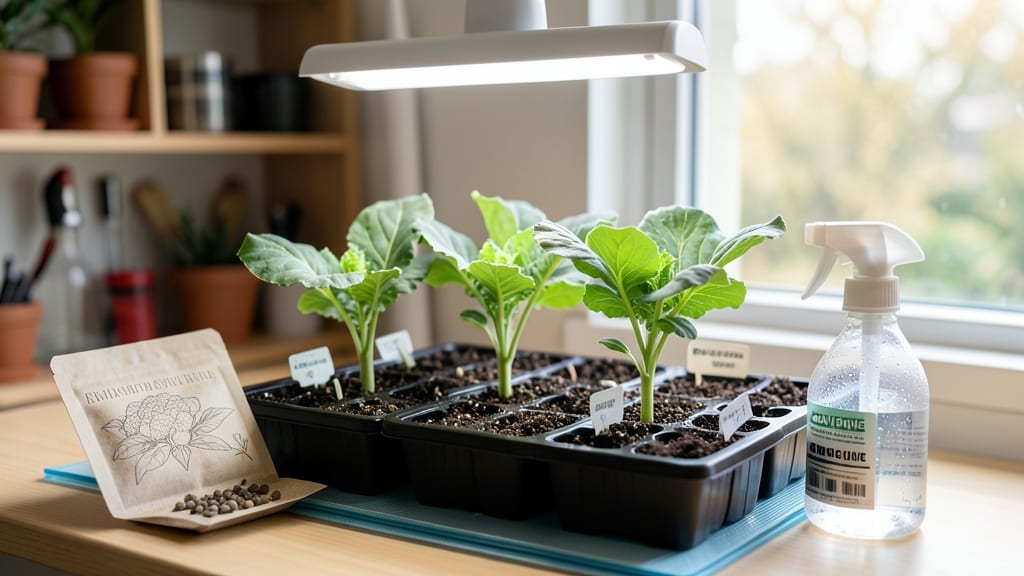
Starting cauliflower seeds indoors 6-8 weeks before your last frost date is the key to harvesting those plump, snow-white heads at their peak—just in time for summer meals.
Picture this: you’ve waited all winter, and now your 🥬 cauliflower is finally ready to transplant, only to watch it bolt in the heat or struggle to mature before the first frost. That’s why timing is everything—especially in USDA Zone 6a, where spring can be unpredictable.
For most gardeners, that means setting up your seed-starting station in February or early March, but your exact window depends on your region. Too early, and you’ll deal with leggy seedlings; too late, and your heads won’t reach full size before the heat sets in.
Below, I’ll break down the exact 8-week schedule tailored to your climate, plus pro tips to avoid common pitfalls like bolting or weak transplants—so you end up with a bountiful harvest from June through August.
The exact 8-Week pre-frost indoor starting timeline for cauliflower
Timing is everything when it comes to growing cauliflower indoors. A 6-8 week indoor start before your last frost date ensures your plants mature into full-size heads before cold weather arrives.
Miss this window, and you risk bolting or stunted growth—both of which ruin your harvest. The key is adjusting your schedule based on your USDA zone and local frost dates.
For most gardeners in USDA Zones 3-10, starting seeds indoors in late winter to early spring is ideal. This timeline accounts for 60-100 days to maturity, giving you a late-summer harvest just before frost.
But the exact dates shift depending on whether you're in a cold northern climate or a mild southern region. Let’s break it down by zone to avoid common mistakes.
⚠️ Common Mistake: Starting seeds too early (like in January) leads to overcrowded seedlings and leggy growth. Starting too late (April or later) means your plants won’t mature before frost. The 8-week rule is your best friend here.
If you’re in USDA Zone 3 or 4, start your seeds by February 15 to give them enough time to grow before the last frost. Transplant outdoors by mid-April, and you’ll harvest by mid-July.
In Zones 5-8, aim for early March starts—this ensures your plants mature by early August, just before fall frosts hit.
For Zones 9-10, you’ve got a little more flexibility. Start seeds in early April and transplant by mid-May for a late-summer harvest. But here’s a pro tip: in warm climates, cauliflower can bolt from heat stress. Use shade cloth during peak summer months to keep your plants happy.
Once your seedlings are 4-6 weeks old and have 2-3 true leaves, it’s time to harden them off. This means gradually exposing them to outdoor conditions over 7-10 days to avoid shock.
Skip this step, and your seedlings may wilt or struggle after transplanting. Hardening off is especially critical for cauliflower, which is sensitive to temperature swings.
After transplanting, focus on consistent moisture and rich soil. Cauliflower loves well-draining, slightly acidic soil (pH 6.0-6.8) and 1-2 inches of water per week. Mulch around the base to retain moisture and keep roots cool.
Without proper care, your plants may develop yellowing leaves or small, tough heads—neither of which is ideal.
Your harvest deadline is the first frost date in your area. In Zones 3-5, that’s usually mid-October, while in Zones 6-8, it’s often early November.
If you’re in Zones 9-10, you might even squeeze in a fall harvest by starting a second batch in late July for a winter harvest.
Pro tip: If your cauliflower heads start to yellow or open up, harvest them immediately—they’ll become tough and bitter. The best time to pick is when the head is firm, compact, and fully colored.
Use a sharp knife to cut the stem, leaving a few outer leaves intact to protect the plant.
By following this 8-week indoor timeline, you’ll avoid the most common mistakes—like bolting or under-sized heads—and enjoy plump, snow-white cauliflower
How to adjust your cauliflower seed starting schedule by climate Zone
Your USDA climate zone dictates the perfect window to start cauliflower seeds indoors—because what works for Zone 3’s short growing season fails miserably in Zone 10’s year-round warmth.
In cold climates (Zones 3-5), you’ll need an early start to beat frost, while warm zones (9-10) can even plant fall crops for winter harvests. Let’s break it down so you avoid bolting plants or stunted heads.
For moderate zones (6-8), the classic 6-8 week pre-frost rule applies, but heat-tolerant varieties like ‘Cheddar’ or ‘Purple of Sicily’ can stretch your window. Meanwhile, gardeners in Zones 9-10 can plant two crops per year: one in early spring and another in late summer for fall harvests.
The key? Adjusting your seed-starting timeline to match your region’s last frost date and heat tolerance.
- 🌱 Zones 3-5 (Cold Climates): Start seeds indoors 8-10 weeks before last frost (typically February 15-March 1), using grow lights to prevent leggy seedlings. Transplant after soil warms to 50°F+.
- 🌿 Zones 6-8 (Moderate Climates): Begin seeds 6-8 weeks before last frost (usually early March), with a second planting 6 weeks later for succession. Use heat-tolerant varieties if summer temps exceed 80°F.
- ☀️ Zones 9-10 (Warm Climates): Plant seeds indoors in late summer (August-September) for fall/winter harvests, or direct-sow in early spring (avoid summer heat). Shade cloth helps prevent bolting.
In Zones 3-5, where frost lingers late, I recommend starting seeds by February 15 to ensure transplants are ready by late April or early May. Use heat mats to keep soil warm (70-75°F) and grow lights for 14-16 hours daily.
Without these, seedlings stretch toward weak sunlight, becoming leggy and weak—a common mistake in short-season gardens.
For Zones 6-8, flexibility is your friend. If your last frost is April 15, start seeds March 1-15 for a June harvest. But if you’re in a hotter sub-region (Zone 8b+), opt for heat-tolerant varieties like ‘Romanesco’ and plant seeds earlier (February 15) to avoid summer bolting.
A second planting in late May can yield fall heads if you use shade cloth.
Southern gardeners in Zones 9-10 can skip indoor starting entirely for fall crops—just direct-sow in August and harvest before winter rains. But for spring, start seeds indoors in late winter (February) and transplant by March 15 to beat the heat.
Use shade cloth (30-50%) once plants mature to protect heads from sunburn and bolting.
Pro tip: Track your local frost dates (check Almanac.com) and adjust your schedule by 1-2 weeks if your spring is unusually early or late. For example, if frost comes 2 weeks earlier than average, start seeds 2 weeks sooner to stay on track.
And always harden off seedlings for 7-10 days before transplanting—this toughens them up for outdoor conditions.