
Blooming
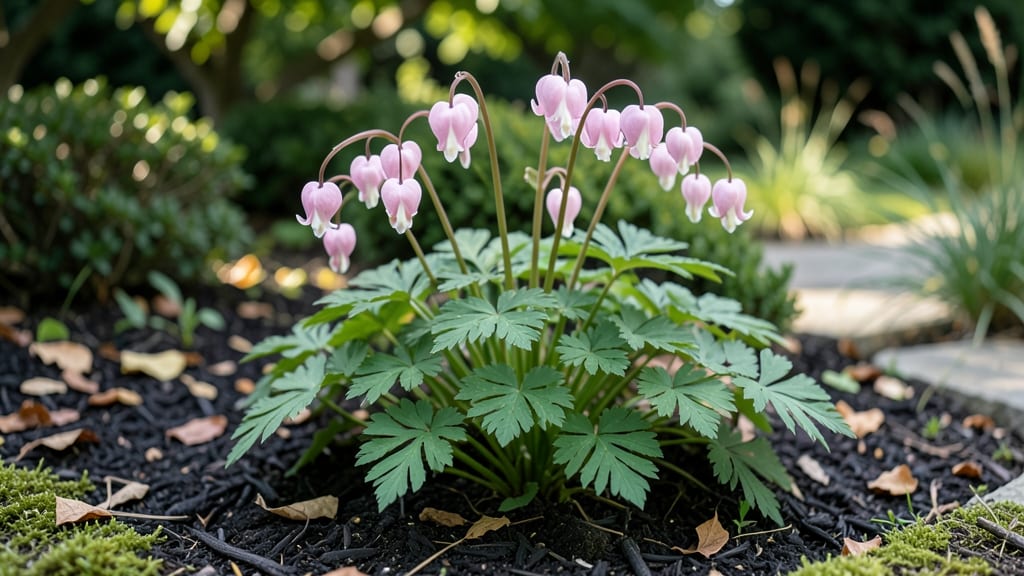
The bleeding heart flower bloom time is a magical moment in late spring, typically between March and May, when its iconic heart-shaped blooms 💖 transform gardens into dreamy, romantic displays.
If you’ve ever dreamed of a garden bursting with heart-shaped blooms, timing is everything—especially when it comes to the delicate bleeding heart flower (Dicentra spectabilis). Miss the window, and you might wait another year for its breathtaking spring display.
In USDA Zone 6a, where most gardeners grow this shade-loving perennial, blooms usually appear in April, but cooler climates can push timing back to May. The key? Planting in partial shade and well-draining soil sets the stage for a showstopping performance.
Below, I’ll break down the exact months for your zone, how to extend the bloom time, and the best companion plants to keep your garden vibrant long after the flowers fade.
When do bleeding heart flowers bloom? Exact months by USDA hardiness zones
The bleeding heart flower bloom time varies dramatically depending on your USDA hardiness zone. In Zone 3, where winters are harsh, blooms typically arrive in late May after the last frost.
Meanwhile, in Zone 9, where winters are mild, you might see delicate pink and white blooms as early as March. Understanding these variations helps you plan your garden layout and care schedule for maximum impact.
Most gardeners plant bleeding hearts in fall or early spring, but the real magic happens when the plant emerges from dormancy. The timing of blooms is influenced by chilling requirements—cold temperatures trigger flowering in these perennials.
In Zone 6a, the classic April bloom is what most gardeners anticipate, but early warmth can shift this window by 2-3 weeks.
| USDA Zone | Typical Bloom Time | Early Varieties | Late Varieties | Climate Notes |
|---|---|---|---|---|
| Zone 3-4 | Late May - Early June | 'Valentine' (early) | 'Alba' (late) | Cold snaps delay blooms |
| Zone 5-6 | Mid-April - Mid-May | 'Stuart Boothman' (early) | 'King of Hearts' (late) | Early warmth speeds up blooms |
| Zone 7-8 | Early March - Early April | 'Gold Heart' (early) | 'Pink Heart' (late) | Mild winters extend bloom season |
| Zone 9 | February - March | 'Queen of Hearts' (early) | 'Nora Leigh' (late) | Heat waves shorten bloom time |
If you live in Zone 5 or 6, you’ve likely noticed that early varieties like 'Stuart Boothman' often bloom first, followed by classic pink blooms in mid-April. These early bloomers are perfect for extending your garden’s spring color palette before other perennials emerge.
In warmer zones (7-9), the bloom window can stretch from February to April, giving you a longer display.
Climate variations play a huge role in bloom timing. A cold snap in April can push back blooms by 2-3 weeks, while an unusually warm March might trigger earlier flowering.
For example, in Zone 6a, I’ve seen blooms appear as early as late March in mild winters, but more often they wait until April. Pay attention to your local last frost date—planting too early can expose young shoots to frost damage.
For gardeners in Zone 3 or 4, where winters are long and harsh, the late May to early June bloom time is a welcome sight. These regions often experience shorter bloom windows due to cooler temperatures.
To maximize your display, choose early-blooming varieties like 'Valentine', which thrives in cooler climates and often flowers 2 weeks earlier than standard types.
In southern zones (7-9), where winters are mild, bleeding hearts may bloom earlier but for a shorter duration. The heat of summer can cause plants to go dormant faster, reducing the bloom time.
To combat this, I recommend planting in partial shade and keeping the soil consistently moist—this helps prolong the flowering period by 1-2 weeks.
One of the most common mistakes I see is assuming that all bleeding hearts bloom at the same time. In reality, variety selection is key to extending your garden’s color.
For example, pairing 'Stuart Boothman' (early bloomer) with 'King of Hearts' (late bloomer) can give you a 6-week display instead of just 2-3 weeks. This strategy works beautifully in Zones 5-7, where the bloom window naturally spans from April to May.
If you’re new to growing bleeding hearts, remember that soil conditions also affect bloom timing. These plants thrive in rich, well-draining soil with organic matter. Amending your soil with compost before planting can encourage healthier growth and more abundant blooms.
Additionally, mulching around the base of the plant helps retain moisture and regulate soil temperature, which can slightly delay or advance blooming depending on your climate.
For those in Zone 9 or warmer, where summers are intense, consider planting bleeding hearts in containers. This allows you to move them to a shadier spot during the hottest months, which can help preserve blooms longer and prevent the plant from going dormant too early.
Container-grown bleeding hearts also make it easier to control soil moisture, which is critical for consistent flowering.
Finally, don’t forget that bleeding hearts are shade-loving plants. In full sun, especially in hotter zones (7-9), they may produce fewer blooms or go dormant earlier. If you’re in a sunny climate, focus on planting them under trees or shrubs
How to extend bleeding heart bloom time: pruning, deadheading, and care tips
Bleeding heart flowers (Dicentra spectabilis) typically put on their best show for just 4-6 weeks in spring, but with the right care, you can stretch that display into 6-8 weeks or even encourage a second flush of blooms.
The secret lies in timely pruning, strategic deadheading, and maintaining ideal growing conditions throughout the season.
First, understand that reblooming varieties like Dicentra eximia (also called fringed bleeding heart) are your best bet for extended color. Even standard bleeding hearts can be coaxed into a second show with proper care.
Let’s break down the exact steps to maximize your blooms—starting with the most critical task: deadheading.
- 1
- 2
- 3
- 4
- 5
Remove faded flower spikes as soon as they lose color. This redirects energy from seed production to new growth and blooms. Use clean, sharp pruning shears to cut stems 1 inch above the next leaf node.
Once the first flush of blooms fades (usually late May to early June), cut back one-third of the oldest stems at the base. This encourages new shoots and often triggers a second round of blooms in late summer.
Apply a balanced fertilizer (5-10-10) in early spring and again after deadheading. Avoid high-nitrogen feeds, which promote foliage over flowers. Use 1 tbsp per plant and water thoroughly to prevent root burn.
Keep soil consistently moist but never soggy. Mulch with 2-3 inches of organic matter (like shredded bark) to retain moisture and regulate soil temperature. Water in the morning to reduce fungal risks.
Every 3-4 years, divide mature plants in early fall to rejuvenate growth. This prevents woody stems and ensures vigorous blooms. Separate rhizomes and replant sections 12-18 inches apart in partial shade.
For reblooming varieties, like Dicentra eximia, the process is even simpler. These plants naturally produce two flushes of blooms—one in spring and another in late summer to early fall.
To encourage this, focus on consistent watering and light pruning after the first bloom. Avoid heavy pruning, as it can reduce fall flowering.
One common mistake gardeners make is pruning too late in the season. If you cut back stems after mid-July, you risk delaying or eliminating the second bloom. Always time your pruning to allow 6-8 weeks of growth before the first frost in your zone.
Finally, pair your bleeding hearts with shade-tolerant companions like hostas or ferns to create a lush backdrop that highlights their delicate blooms. This not only extends visual interest but also helps maintain even soil moisture, which is critical for prolonged flowering.