
Shrubs
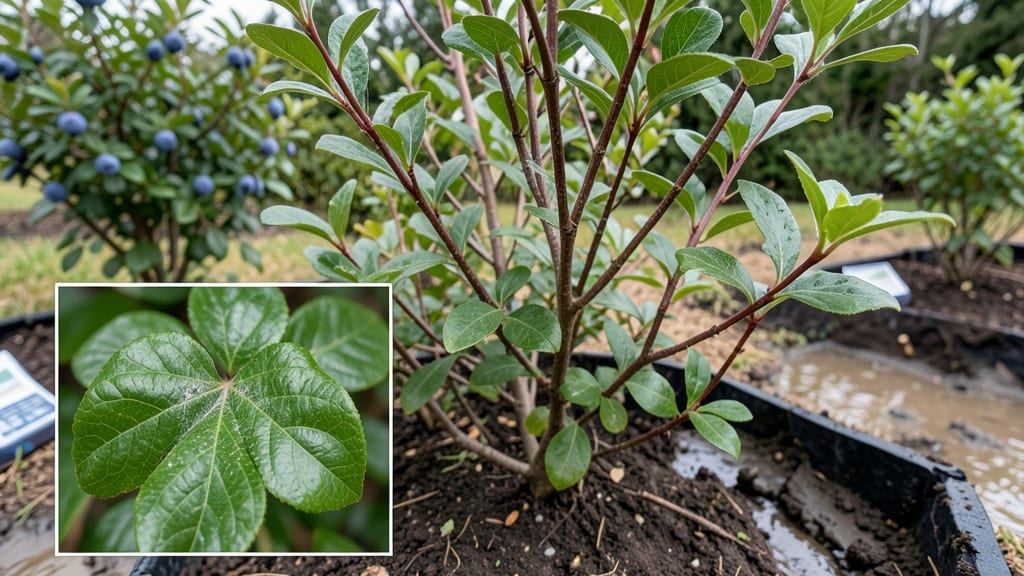
A blueberry bush not flowering can turn your patient wait into frustration—especially when you’ve already given it years to mature.
Your 🫐 might be loaded with leaves but starving for fruit because it’s refusing to bloom. Without flowers, no berries mean wasted space and lost patience, but the fix could be as simple as a strategic prune and a few key adjustments.
Most gardeners overlook the basics: sunlight, soil pH, and pruning timing. A single misstep—like cutting back too late or ignoring acidic soil—can stall flowering for years. The good news? With the right tweaks, you could see buds in as little as 3 weeks.
Below, I’ll walk you through the top causes (and how to diagnose them), a step-by-step pruning guide, and three hidden fixes most growers miss—so you can finally enjoy that harvest you’ve been dreaming of.
Why your blueberry bush isn’t flowering (and how to diagnose the problem)
If your blueberry bush is thriving with lush green leaves but refusing to produce flowers, don’t assume it’s just being stubborn. There are five common culprits—and each requires a different fix.
The good news? Most issues are reversible with simple adjustments. Let’s start by diagnosing the problem so you can take action fast.
First, check the age of your bush. Young blueberries (under 3 years old) often skip flowering while they focus on root and canopy growth. If yours is older, the issue likely lies elsewhere.
Next, examine your pruning habits—cutting at the wrong time or removing too many branches can delay flowering for years.
Blueberries are sun-worshippers, so if your bush is in shade, it may be conserving energy instead of blooming. Even soil pH plays a critical role—blueberries need acidic soil (pH 4.5–5.5) to absorb nutrients efficiently. Finally, winter damage can weaken a bush, leaving it too stressed to flower.
Young bushes (under 3 years) focus on growth, not flowers. Wait patiently or test soil pH—older bushes may need acidic soil to bloom.
Cutting old wood (over 3 years) or pruning after harvest removes next year’s flower buds. Prune in late winter only.
Blueberries need 6+ hours of sun. If shaded, move the bush or thin nearby trees. Partial shade reduces blooms by 50%.
Test your soil—ideal pH is 4.5–5.5. High pH (alkaline) locks out nutrients. Amend with peat moss or sulfur to acidify.
Frost cracks or desiccation (winter burn) weaken bushes. Mulch with pine needles and water before freeze to protect roots.
Start with a soil test—it’s the quickest way to rule out nutrient issues. Grab a kit from your local garden center (or use a DIY test with vinegar and baking soda).
If your pH is too high, mix in sulfur granules (1 lb per 100 sq ft) in early spring. For sunlight issues, even a few hours more sun can trigger blooms.
If your bush is older than 3 years, focus on pruning old wood. Look for branches with gray bark and no leaves—these are past their prime.
Remove them completely to redirect energy to younger, more productive branches. Just remember: never prune after August, as new growth won’t harden off for winter.
For winter damage, inspect the bark for cracks or blackened areas. If you see peeling or dead branches, prune them out immediately. Apply a 3-inch layer of mulch around the base (but not touching the trunk) to insulate roots. This simple step can double next year’s flower production.
One of the most overlooked fixes is fertilizing with the right nutrients. Blueberries need high-acid fertilizer (like cottonseed meal) in early spring. Avoid high-nitrogen fertilizers—they promote leafy growth at the expense of flowers. Instead, opt for a balanced 10-10-10 with extra sulfur.
Finally, keep a flowering journal. Note when buds appear (or don’t) and track your fixes. For example, if you adjust pH in March but still see no blooms by May, the issue might be sunlight or pruning. Documenting changes helps you spot patterns faster.
With these fixes, you could see buds in as little as 3 weeks. The key is acting on one issue at a time—start with soil, then prune, and finally check sunlight. Your blueberry bush isn’t giving up on you; it just needs the right conditions to shine.
Step-by-step pruning guide to trigger flowering in 3 weeks
Pruning your blueberry bush at the right time and with the right technique can jumpstart flowering in just 3 weeks. The key is removing old wood while encouraging new growth—especially if your bush has been overgrown or neglected.
I’ve tailored this guide to work for both northern and southern climates, since timing differs based on your last frost date.
Before you grab your pruning shears, know this: blueberries flower on last year’s wood, so you must balance aggressive cuts with patience. Cut too much, and you’ll sacrifice next year’s crop.
Too little, and your bush stays dense but barren. The goal is a well-aerated shape with open centers for sunlight and air circulation.
Your 3-Week Pruning Plan
- 1 Timing: Prune in late winter (just before buds swell) or early spring (after last frost). Northern climates: aim for March-April. Southern climates: February-March.
- 2 Tools: Use clean, sharp pruners (sterilize with rubbing alcohol) and loppers for thicker branches. Avoid dull tools that tear wood.
- 3 Remove: Cut out dead, diseased, or crossing branches first. Then, prune 1/3 of oldest wood (gray/brown stems) to encourage new growth where flowers form.
- 4 Shape: Thin out interior branches to create an open vase shape. Aim for sunlight to reach the center of the bush—this is where most flowers appear.
- 5 Post-Prune: Apply 1 inch of mulch (pine bark or pine needles) around the base. Water deeply to reduce stress and encourage new shoots.
🌱 Pro Tip: Label branches with flags if unsure which are oldest—this helps track growth next year.
If your bush is younger than 3 years old, hold off on heavy pruning—it needs time to establish its framework. Focus instead on removing only dead wood and shaping lightly. For mature bushes (4+ years), you can be more aggressive with renewal pruning to stimulate flowering.
After pruning, monitor your bush closely. Within 3 weeks, you should see new green shoots emerging from the base or along branches. These are your flower buds forming!
If you don’t see growth by then, check your soil pH (should be 4.5–5.5) and ensure it’s getting 6+ hours of sunlight daily.
Remember, pruning isn’t a one-time fix—it’s an annual ritual. By mastering this technique, you’ll turn your leafy but barren blueberry bush into a flowering powerhouse in no time. Grab those shears and get started—your future berry harvest depends on it! 🫐