
Flowers
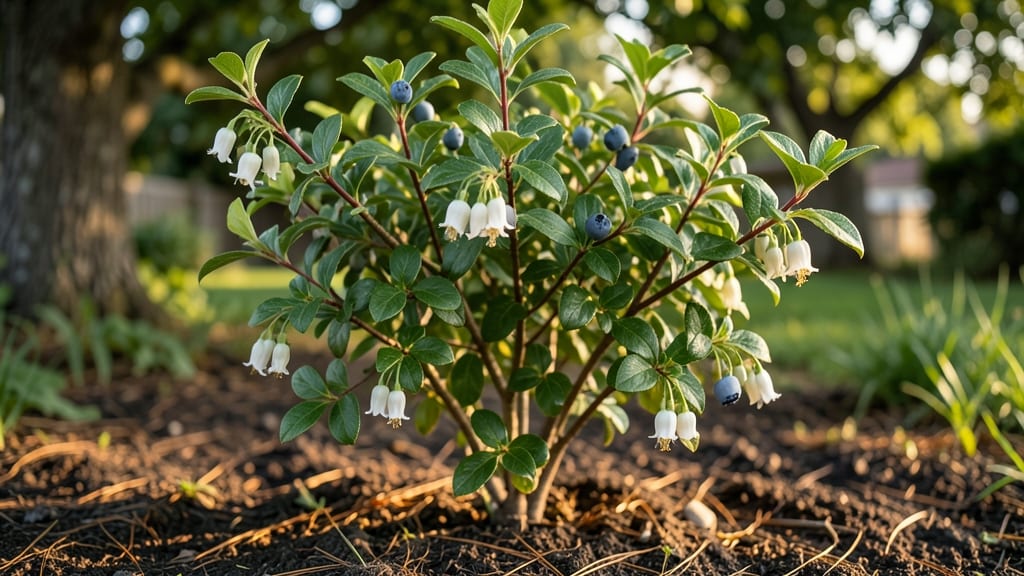
The transformation from blueberry flower to fruit is where all your hard work pays off — but only if you know the hidden steps most gardeners miss.
Watching a blueberry bush 🫐 burst with delicate white or pink blossoms in spring feels like a promise of sweet summer berries. Yet, without the right conditions, those flowers often fade without a single fruit forming.
The difference between a handful of berries and a bucketful comes down to timing, pollination, and a few simple care tricks most guides skip.
Here’s what happens at each stage — from the moment the first bloom opens until the berries ripen — and exactly how to nudge your bush toward a heavier harvest.
We’ll cover the 5 critical stages of fruit development, why some varieties set fruit faster than others, and the common mistakes that leave you staring at empty stems.
By the end, you’ll know not just when to expect fruit, but how to troubleshoot when things go wrong. Whether your blueberries are struggling to set or you’re just starting out, this is your roadmap to a bountiful harvest.
Blueberry flower to fruit: the 5 critical stages and what happens at each
Understanding the blueberry flower to fruit process is key to unlocking a heavy harvest. Each stage—from bloom to ripe berry—depends on precise conditions that many gardeners overlook. The journey starts with pollination readiness and ends with fruit that’s plump, sweet, and ready to pick.
Blueberries are self-pollinating but benefit from cross-pollination between varieties. The entire process spans 60-120 days, depending on your climate and variety. Missing even one stage can mean fewer berries—or none at all.
Let’s break down what happens at each critical phase and how to support your bush through every step.
| Stage | Key Events | Timeframe | Critical Factors |
|---|---|---|---|
| 1. Bloom Opening | Flowers emerge as white/pink bells; stamens release pollen. | Spring (March-April) | Bee activity, temperature (50-70°F), no frost. |
| 2. Pollination & Fruit Set | Pollen fertilizes ovules; tiny green berries form. | 1-2 weeks after bloom | Cross-pollination, consistent moisture, no wind damage. |
| 3. Cell Division | Berries grow rapidly; color shifts from green to red. | 4-6 weeks post-pollination | Sunlight, balanced nutrients, pest control. |
| 4. Ripening | Berries darken to blue; sugars develop; skin softens. | 60-90 days total | Warm days, cool nights, adequate water. |
| 5. Harvest Readiness | Berries detach easily; deep blue color; glossy skin. | Mid-late summer (July-August) | Timely picking, no bird damage, proper storage. |
Stage 1: Bloom Opening is where it all begins. Your blueberry bush bursts into clusters of white or pink bell-shaped flowers in early spring. These flowers are highly sensitive to temperature fluctuations—frost can kill them, while warm days (50-70°F) encourage bees to visit.
If you notice drooping flowers or no bee activity, hand-pollination may be needed later.
Stage 2: Pollination & Fruit Set happens when pollen from one flower fertilizes another. This is where cross-pollination between varieties (like ‘Duke’ and ‘Bluecrop’) boosts yields. If your bush isn’t setting fruit, check for poor bee traffic or inconsistent watering, which can cause flowers to drop before pollination occurs.
Stage 3: Cell Division is the growth spurt. Tiny green berries swell as cells divide rapidly. This stage lasts 4-6 weeks and requires bright sunlight and balanced nutrients. Lack of phosphorus or potassium here can stunt berry size. Watch for bird damage—cover young fruit with netting if needed.
Stage 4: Ripening is when berries transform from red to deep blue. Cool nights (below 75°F) and warm days (above 60°F) are ideal. Overwatering now can dilute flavor, while underwatering causes cracking. This is also when birds and pests become most active—use fruit cages if necessary.
Stage 5: Harvest Readiness is your reward. Berries should be deep blue, plump, and easy to pluck. If they’re still red or hard, they’re not ready.
Harvest in the morning after dew dries to preserve sweetness. Store in the fridge for up to 5 days or freeze for longer storage.
Each stage depends on the other, so skipping care at any point reduces your harvest. For example, poor pollination in Stage 2 means fewer berries in Stage 5. By monitoring these visual cues and adjusting care, you’ll turn those delicate flowers into a bucket of blueberries. 🫐
How to maximize fruit set: pollination tricks and common pitfalls
Blueberries rely on cross-pollination to go from flower to fruit, but many gardeners miss the subtle cues that signal trouble. If your blueberry flowers aren’t converting to berries, the issue often starts with pollination failure or environmental stress.
The good news? With a few targeted strategies, you can dramatically improve your fruit set and avoid the heartbreak of empty stems.
First, recognize that blueberries are self-pollinating but benefit from cross-pollination. While a single bush can produce fruit, having multiple varieties nearby increases your chances of a heavy harvest. Even in ideal conditions, temperature swings or lack of pollinators can derail the process.
For example, a sudden cold snap during bloom can kill pollen, while drought stress weakens the plant’s ability to support developing fruit.
⚠️ callout warning ⚠️
If your blueberry flowers drop within 5-7 days of opening, pollination failed. Common causes:
- No bees: Blueberries need honeybees or bumblebees for effective pollination.
- Cold weather: Below 50°F can stunt pollen viability.
- Over-fertilizing: Too much nitrogen = more leaves, fewer flowers.
Fix it:
- Hand-pollinate with a soft paintbrush on cloudy days.
- Plant bee-friendly flowers nearby (e.g., lavender, clover).
- Use low-nitrogen fertilizer (10-10-10) during bloom.
To boost pollination, start by attracting bees to your garden. Plant native pollinator-friendly flowers like lavender, borage, or catmint near your blueberries. These plants provide nectar and draw bees to your bush. If your area lacks natural pollinators, consider hand-pollination on overcast days when bees are less active.
Simply use a soft paintbrush to transfer pollen from one flower to another, mimicking a bee’s actions.
Another critical factor is temperature management. Blueberries thrive when daytime temperatures stay between 60°F and 80°F during bloom. Extreme heat or cold can disrupt pollination. For example, if nighttime temps drop below 50°F, pollen production slows.
Use row covers on chilly nights or provide afternoon shade in scorching climates to protect flowers. Mulching with pine straw also helps regulate soil temperature and retain moisture.
Once pollination succeeds, the next challenge is fruit set retention. Young berries are vulnerable to dropping due to stress, disease, or improper care. To prevent this, ensure your blueberries receive consistent watering—about 1-2 gallons per plant every 2-3 days during fruit development.
Avoid wetting the leaves to reduce fungal risks like mummy berry disease, which can cause premature drop. Additionally, apply a balanced fertilizer (like 10-10-10) every 4-6 weeks to support fruit growth without overstimulating foliage.
If you notice uneven fruit development or small, misshapen berries, your plant may be struggling with nutrient deficiencies or pH imbalances. Test your soil’s pH—blueberries need acidic soil (pH 4.5-5.5).
If your soil is too alkaline, amend it with peat moss or sulfur to create the ideal environment. Finally, thin out overcrowded fruit clusters to allow remaining berries to grow larger and ripen more evenly.
By focusing on pollination support, temperature control, and consistent care, you’ll turn those delicate flowers into a bucket of plump blueberries. The key is acting early—once you spot the first signs of trouble, like dropping blossoms or stunted growth, it’s time to adjust your approach.
With these tricks, even a first-year bush can surprise you with a heavy harvest.