
How To
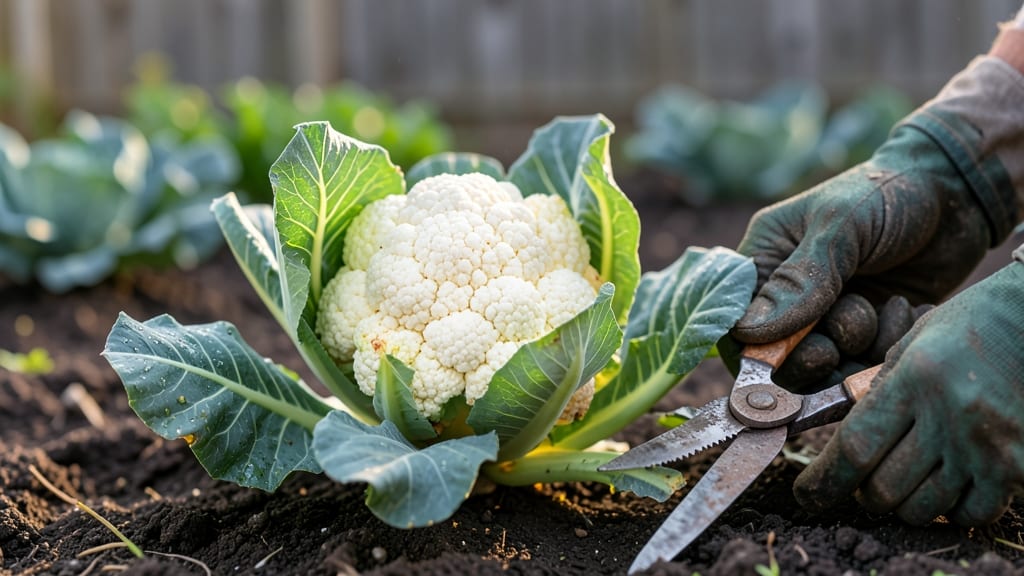
Knowing how do I know when cauliflower is ready to pick saves you from a tough, bitter harvest—here’s how to spot the perfect moment.
Picking cauliflower at the wrong time can mean the difference between a crisp, flavorful harvest and a bitter, woody disappointment—so how do you know when it’s perfectly ready?
The key is checking three simple signs: a fully formed, tight head, vibrant color (white, purple, or orange), and leaves that start yellowing around the edges. Skip these cues, and you might end up with a head that’s either too small or already opening into florets.
Below, I’ll walk you through how to test firmness with your fingers, avoid common mistakes, and harvest without damaging the plant—so you get the best-tasting cauliflower possible.


3 Visual and tactile signs your cauliflower is ready to harvest
Picking cauliflower at the wrong time can turn your crisp, flavorful harvest into a bitter, woody disappointment. The key is knowing exactly when the head reaches peak maturity—before it starts to flower or overmature.
I’ve grown cauliflower for years, and these three visual and tactile signs have never let me down. Whether you’re growing white, purple, or orange varieties, these indicators apply to all.
First, let’s talk about the most obvious clue: the head’s size and shape. A fully mature cauliflower head should be compact and tightly packed, with no gaps between the florets.
If you can see individual buds starting to open, it’s already past its prime. I’ve learned the hard way that waiting too long means tough, stringy texture—so timing is everything!
- 1 Head Size: Aim for 6-8 inches wide (dwarf varieties may be smaller). If it’s smaller than a dinner plate, it’s not ready yet.
- 2 Color Consistency: White varieties should be creamy and uniform; purple ones deep and vibrant; orange heads should be bright and even. Pale or patchy colors mean it’s not fully mature.
- 3 Firmness Test: Gently squeeze the head—it should feel solid and heavy for its size. If it’s soft or spongy, it’s overripe. The outer leaves should also be yellowing and dying back, not lush and green.
Now, let’s dive deeper into the color cues that vary by variety. For white cauliflower, the head should be a pure, creamy white with no green or yellow tinges.
If you notice green florets peeking through, it’s already bolting (going to seed). Purple varieties should be a deep, rich violet—any dullness means it’s past its peak. And for orange cauliflower, the color should be bright and even, not faded or uneven.
Don’t overlook the tactile test, which is just as important as visual cues. Press your thumb gently into the head—it should resist slightly but not feel mushy. If it gives under pressure, it’s overripe.
I also check the weight: a ready-to-harvest head feels surprisingly heavy for its size. This is because the moisture content is balanced, and the head is fully developed. If it feels light, it’s still maturing.
The outer leaves are another critical indicator. When they start to yellow and die back, it’s a sign the plant is redirecting energy to the head. If the leaves remain vibrant and green, the head isn’t ready yet.
I’ve seen gardeners ignore this sign and end up with tough, bitter cauliflower. Pro tip: If the head is ready but the leaves aren’t yellowing, it might be a sign of nutrient deficiency, like a lack of nitrogen.
One mistake I see often is harvesting cauliflower based on days to maturity alone. While seed packets provide a general timeframe (60-100 days), environmental factors like temperature and sunlight can speed up or slow down ripening.
For example, hot weather can cause cauliflower to bolt prematurely, while cool, cloudy conditions might delay maturity. Always check the physical signs, not just the calendar.
If you’re growing multiple varieties, pay attention to their unique ripening times. Romanesco, for instance, often matures slightly later than standard white cauliflower and has a distinct fractal-like shape. Its color should be a creamy yellow-green, and the spirals should be tight and compact.
Harvesting too early gives you a small, underdeveloped head, while waiting too long results in a head that starts to open up and turn brown.
Finally, remember that harvesting at the right time isn’t just about taste—it’s also about encouraging your plant to produce side shoots. If you cut the main head properly (leaving a few inches of stem), many varieties will send out smaller heads from the sides.
This gives you a second harvest and maximizes your yield. Just make sure the plant still has plenty of energy reserves to support new growth.
Next time you’re checking your cauliflower, trust your eyes and fingers. These three signs—size, color, and firmness—will guide you to a perfect harvest every time. And if you miss the window? Don’t worry—just enjoy your slightly overripe cauliflower in a soup or stir-fry where texture matters less. Happy gardening!
How to test cauliflower ripeness: the finger-press method and other pro tips
Testing cauliflower ripeness with your fingers is the fastest way to avoid harvesting too early or too late. A gentle finger press on the head tells you if it’s firm enough—if it gives slightly, it’s not ready yet.
The ideal texture should feel solid but not rock-hard, like a ripe avocado.
Start by examining the outer leaves surrounding the head. If they’re yellowing or dying back, this signals the plant is redirecting energy to the head, meaning it’s nearing peak ripeness. However, if the leaves are still vibrant green, the head likely needs more time.
⚠️ callout warning ⚠️
Pro Tip: Check ripeness early in the morning when the head is cool and firm. Avoid testing after rain or hot afternoons, as moisture or heat can make the head feel softer than it is.
Next, inspect the color consistency. A ripe cauliflower head should be uniform in color—whether white, purple, or orange—with no pale or green patches. If you see uneven coloring, it’s likely underripe and needs more time in the garden.
For a physical test, gently squeeze the head with your thumb and forefinger. If it resists pressure and doesn’t dent, it’s ready. If it feels spongy or hollow-sounding, it’s overripe and past its prime.
This method works best on mature heads that are at least 6 inches in diameter.
Another pro tip: Look for small side shoots forming around the main head. While some varieties produce multiple heads, these shoots signal the primary head is ready. If you ignore this cue, the main head may split or bolt, ruining your harvest.
Finally, time your harvest before hot weather hits. Cauliflower heads ripen faster in cool temperatures (60-70°F). If your region is heating up, harvest sooner rather than later to avoid premature bolting or tough texture.