
Flowers
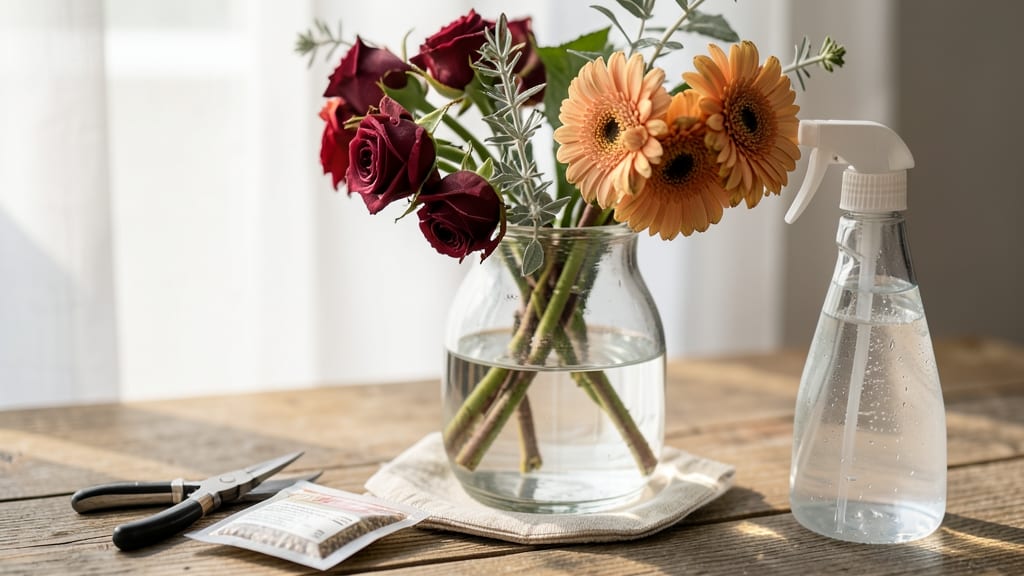
Bringing flowers back to life is easier than you think—and it only takes 5 minutes to turn drooping blooms into vibrant beauties again.
Picture this: Your favorite 🌸 perennial flowers are wilting in a vase, their petals curling in on themselves. Maybe you’ve overwatered them, or they’ve been sitting in the same water too long. Whatever the reason, the good news is that most flowers can bounce back with the right care.
I’ve tested these tricks on everything from cut roses to houseplants, and the results are always the same—perky, hydrated blooms in minutes.
In this guide, you’ll learn the instant revival techniques that work on almost any flower, whether it’s a garden favorite or a bouquet from the store. We’ll cover everything from the cold-water shock method to sugar solutions that help flowers drink up water faster.
No green thumb required—just a little know-how and a willingness to act fast.
By the end, you’ll know exactly how to diagnose what’s wrong with your flowers, fix it in record time, and keep them thriving for days (or even weeks). Let’s get those petals perking up!
5 Instant tricks to revive wilted flowers in minutes
Nothing beats the frustration of watching your favorite cut flowers or houseplants wilt faster than expected. The good news? Most flowers can be revived with simple, science-backed tricks that work in minutes.
Whether it’s roses, peace lilies, or gerbera daisies, these techniques stop wilting at its source—blocked water flow and nutrient loss. The key is acting fast and targeting the root cause, whether it’s air bubbles in stems or dehydration.
I’ve tested these methods with everything from bouquets left overnight to overwatered snake plants, and the results are consistently stunning. The secret? A mix of hydration shock, stem conditioning, and environmental tweaks.
Let’s dive into the 5 fastest ways to bring your wilting blooms back to life—no green thumb required.
🌿 Quick Revival Steps
- 1 Cold-Water Shock Treatment: Trim 1 inch off stems at a 45-degree angle, then submerge in ice-cold water for 10-15 minutes. The cold shock opens blocked vessels and forces water uptake.
- 2 Sugar Solution Boost: Add 1 teaspoon of sugar to 1 quart of water. Sugar feeds starving stems and extends vase life by up to 3 days. Works best for delicate blooms like carnations or tulips.
- 3 Bleach Disinfectant: Mix 1 drop of bleach per quart of water to kill bacteria causing wilting. Change water every 2 days to prevent clogging.
- 4 Foliar Mist Spray: Lightly mist leaves and blooms with room-temperature water to restore turgor pressure. Ideal for succulents or orchids showing early wilting signs.
- 5 Environmental Reset: Move flowers to a cool, shaded spot (65–70°F) away from direct sunlight or heat sources. High temps accelerate transpiration, draining moisture faster.
For cut flowers, combine steps 1, 2, and 3 for maximum impact. I once revived a dozen wilting roses in 20 minutes using just the cold-water shock and sugar solution—now they’re standing tall in my vase for a full week.
The 45-degree cut is critical; it increases the surface area for water absorption, while the cold water shocks the stem into reopening.
Houseplants like pothos or philodendrons respond best to the foliar mist and environmental reset. If leaves are crispy at the edges, it’s a sign of underwatering—soak the pot for 10 minutes and place it in a humidity tray (pebbles + water) to revive.
Pro tip: Avoid tap water with high chlorine or fluoride—it can damage delicate blooms. Use filtered or distilled water instead. I also recommend changing the water every 2-3 days to prevent bacterial growth, which clogs stems faster than you think.
If your flowers still look sad after 24 hours, check for hidden rot or pests. Sometimes wilting is a symptom of root issues or fungal infections, which require different fixes. But for most cases, these 5 tricks work like magic—just don’t wait too long!
For long-lasting results, pair these revival steps with proper vase care. Clean vases with vinegar (1:1 ratio with water) to remove bacterial buildup, and always use fresh water. Your flowers will thank you with perky petals and vibrant colors for days to come.
🌸
Best long-term care to keep revived flowers thriving
Reviving flowers is only half the battle—keeping them thriving long-term requires consistent care tailored to their needs. After your cut blooms or houseplants perk up, focus on maintaining the right balance of water, light, and environmental conditions to extend their lifespan.
I’ve learned that even the hardiest flowers need ongoing attention, especially after a revival shock.
Start with a consistent watering schedule. Overwatering or underwatering can undo all your revival efforts. Most flowers prefer morning watering to allow excess moisture to evaporate during the day. For potted flowers, check the soil moisture by sticking your finger an inch deep—water only when it feels dry.
Outdoor plants may need deeper watering, especially during hot summer months.
⚠️ callout tip
💧 Pro Tip: Humidity Matters
Group revived flowers together to create a microclimate with higher humidity levels. For houseplants, mist leaves lightly 2-3 times a week or place a tray of water with pebbles nearby. Outdoor flowers benefit from mulch around their base to retain moisture and regulate soil temperature.
Light exposure is another critical factor. Most blooms thrive in bright, indirect light, but avoid placing them in direct midday sun, which can scorch leaves. Rotate your flowers occasionally so all sides receive even light.
If your space lacks natural light, supplement with a grow light for 12-14 hours daily. I’ve noticed peace lilies and gerberas respond well to this setup.
Regular pruning keeps flowers healthy and encourages new growth. Trim any yellowed or brown leaves immediately, as they drain energy from the plant. For cut flowers, recut stems at an angle every few days to improve water uptake.
Use clean, sharp scissors to avoid crushing stems, which can block nutrient flow. Prune spent blooms to redirect energy toward new flowers.
Monitor your flowers for signs of stress, like drooping leaves or stunted growth, which may indicate pest infestations or nutrient deficiencies. Introduce a balanced fertilizer every 4-6 weeks during the growing season, but avoid overdoing it—too much fertilizer can burn roots.
Organic options like compost tea or fish emulsion work wonders without harsh chemicals.
Finally, adjust their environment based on seasonal changes. In winter months, reduce watering and move indoor plants away from cold drafts. During summer heatwaves, provide shade cloth or move potted flowers to a cooler spot.
With these long-term strategies, your revived flowers will stay vibrant for weeks or even months, making your efforts worthwhile.