
Planting
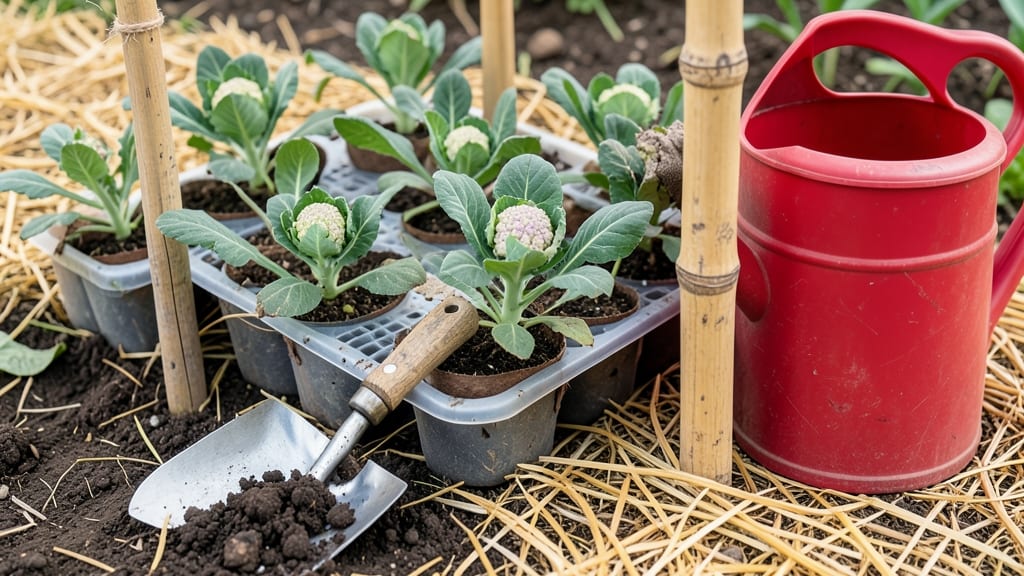
Timing your cauliflower planting right is the difference between a sweet, plump harvest and a bitter, stunted mess—especially when you’re working against a short growing season.
Picture this: You’ve spent weeks nurturing seedlings, only to watch them bolt in the heat or rot in soggy soil because you missed the ideal window.
The good news? A few simple adjustments—like knowing your USDA zone and when to start indoors—can turn that frustration into a reliable, bountiful crop every year.
In this guide, I’ll break down the exact months to plant 🥬 cauliflower in your region, whether you’re in frost-prone Zone 6a or a warmer climate, plus how to stretch your season with succession planting and heat tricks. No more guesswork—just better harvests.
Ready to stop the trial-and-error? Here’s how to time it perfectly for spring and fall crops, avoid common mistakes, and keep your 🥬 thriving from seed to table.

Best cauliflower planting months by USDA zone (with exact dates)
Cauliflower thrives in cool weather, making timing everything for sweet, tender heads. Plant too early or late, and you risk bitter flavors, poor growth, or bolting—especially in hot climates. Your USDA zone determines the perfect window, whether you're starting seeds indoors or sowing directly into the garden. Let’s break down the exact months for each zone to ensure a bountiful harvest every season.
The key is avoiding soil temps above 75°F and extreme heat stress. Cauliflower prefers 50-70°F soil temperatures for ideal germination and growth. In warmer zones, focus on fall planting to escape summer heat.
In colder zones, spring planting is critical—but don’t wait too late, or your plants may bolt before forming heads.
Below is your zone-by-zone planting schedule, including transplant dates (for seedlings) and direct sowing windows. Pro tip: Use row covers or shade cloth in hot zones to protect young plants from bolting.
In Zones 2-3, your growing season is short, so stick to early spring planting and choose fast-maturing varieties like ‘Snowball’ (50-60 days). These zones often see late frosts until May, so time your transplants to avoid cold snaps.
Use black plastic mulch to warm the soil faster and extend the season.
For Zones 4-7, both spring and fall planting work well. In Zone 7, you can even squeeze in a fall crop by planting in late summer (August) for a winter harvest.
Just ensure your plants mature before the first frost—aim for 50-70 days to harvest before your average frost date.
Gardeners in Zones 8-11 face the biggest challenge: heat stress. Cauliflower bolts (goes to seed) in temps above 80°F, so focus on fall/winter planting. Start seeds indoors in late
How to adjust cauliflower planting time for fall vs. spring harvests
Cauliflower thrives in cool weather, making spring and fall the ideal planting windows. But summer heat can trigger bolting—when plants send up bitter flower stalks instead of forming heads.
The key is adjusting your schedule based on your USDA zone and using smart strategies to extend the growing season.
For spring harvests, start seeds indoors 4-6 weeks before your last frost date. In warmer zones (7-11), opt for heat-tolerant varieties like 'Cheddar' or 'Snowball Y' and plant in early spring or late summer to avoid peak heat.
Meanwhile, fall harvests require careful timing—too late, and frost ruins your crop; too early, and summer heat stresses plants.
🌱 Key Strategies for Fall vs. Spring Planting
- 1 Succession Planting: Sow seeds every 2-3 weeks in spring or 6-8 weeks before first fall frost for continuous harvests.
- 2 Row Covers: Use floating row covers in spring to protect from frost or in summer to block excess heat (max 85°F soil temp).
- 3 Heat-Tolerant Varieties: Choose 'Aran' or 'Romanesco' for summer plantings—they handle 75-80°F better than standard types.
- 4 Shade Cloth: Install 30-50% shade cloth in peak summer to keep soil temps below 75°F and prevent bolting.
- 5 Fall Planting Deadline: Aim to transplant 60-70 days before first frost. In Zone 5, this means late July to early August.
In cooler zones (2-6), focus on spring planting with a second attempt in mid-summer for fall harvests. Use black plastic mulch to warm soil in spring or straw mulch to insulate roots in fall.
For warmer zones (7-11), prioritize fall plantings—start seeds indoors in June-July and transplant in August.
Watch soil temperatures closely: cauliflower bolts when soil exceeds 75°F. Use a soil thermometer to monitor—ideal temps are 60-70°F. If your garden heats up too fast, try container growing with 5-gallon pots for better temperature control. Containers also let you move plants to shadier spots during heatwaves.
For extended fall harvests, pair cauliflower with fast-maturing varieties like 'Snowball' (50 days) and use low tunnels to push maturity by 2-3 weeks. In Zone 10+, plant in September-October for winter harvests—just protect from light frosts with row covers.
The goal? Cool roots and warm days for sweet, tender heads.
Pro tip: Fertilize lightly in summer to avoid leafy growth over heads. Use a low-nitrogen fertilizer (like 5-10-10) when transplanting fall crops. And always harvest before frost—even a light freeze turns heads mushy and bitter.
With these adjustments, you can enjoy homegrown cauliflower year-round, no matter your climate! 🥬