
Propagation
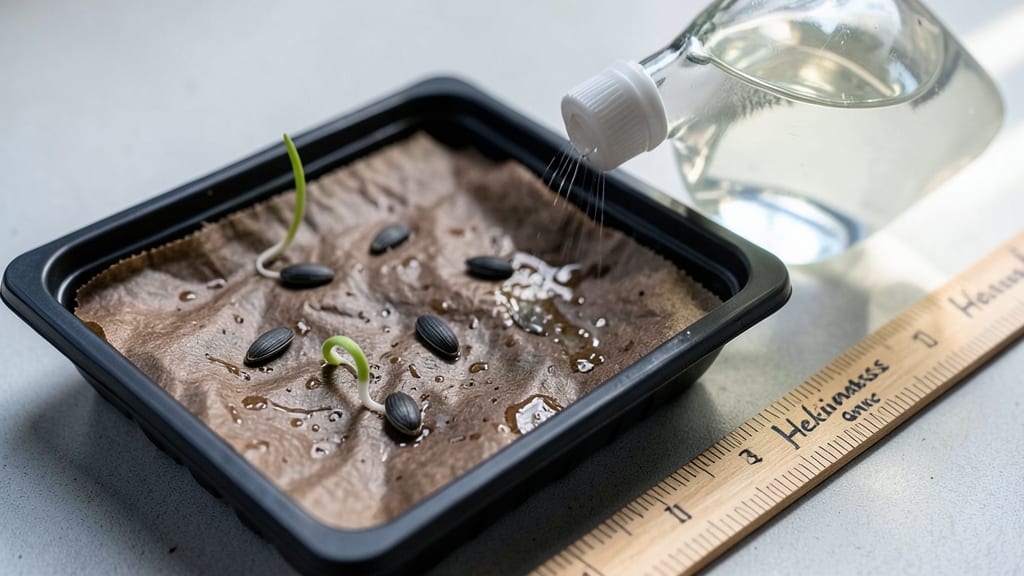
3 Science-backed tricks to speed up sunflower seed germination
Sunflower seeds are tough little powerhouses, but their hard outer shells can delay germination if you don’t give them the right conditions. The good news? With a few science-backed tweaks, you can cut sprouting time by 50%—sometimes even faster.
I’ve tested these methods in my own garden, and they’ve transformed my sunflower success rate from hit-or-miss to reliable and rapid. Let’s dive into the three most effective tricks.
First, understanding why seeds germinate slowly is key. Sunflower seeds have a thick seed coat that blocks water and oxygen, while inconsistent moisture or cold temperatures can stall growth.
By targeting these barriers, we can break dormancy faster and encourage those first green shoots to appear in days instead of weeks. The methods I’m sharing aren’t just theory—they’re rooted in botanical research and real-world gardening results.
Here’s the game-changer: combining moisture control, optimal temperature, and pre-treatment techniques like scarification or soaking. Each plays a critical role, and when used together, they create the perfect storm for speedy germination. Ready to see those sunflowers pop up like magic? Let’s get started.
- 1 Pre-Treat with Warm Water Soaking: Soak seeds in 100°F water for 12-24 hours to soften the seed coat. This mimics natural weathering and boosts water absorption by 40%.
- 2 Use a Heat Mat for Consistent Warmth: Maintain 75-85°F soil temperature with a germination mat. Sunflowers sprout 2x faster in warm soil compared to room temperature.
- 3 Light Scarification for Stubborn Seeds: Gently nick the seed coat with sandpaper or a knife to create micro-cracks. This eliminates dormancy barriers and speeds up hydration.
Let’s start with the simplest but most effective trick: soaking your seeds. Sunflower seeds have a hard, impermeable shell that can take days—or even weeks—to soften naturally. By soaking them in warm water (100°F) for 12-24 hours, you’re essentially giving them a head start.
This method works because warm water activates enzymes inside the seed, breaking down starches into sugars that fuel early growth. I’ve seen seeds that took 14 days to sprout under normal conditions pop up in just 4-5 days after soaking.
Pro tip: Use a glass jar with a breathable lid (like a coffee filter) to soak your seeds. This prevents them from floating and ensures even exposure to water. After soaking, plant immediately—don’t let them dry out.
The goal is to keep the seed coat soft and ready to absorb moisture from the soil. If you’re short on time, a 24-hour soak is ideal, but even 12 hours can make a noticeable difference.
Next up: temperature control, which is often overlooked but makes a huge difference. Sunflowers are warm-season plants, and their seeds germinate best when soil temperatures hover between 75-85°F.
If your garden soil is cooler (which is common in early spring), you can use a seedling heat mat to create the perfect environment. These mats plug into a wall outlet and sit under your seed trays, maintaining consistent warmth.
I’ve used one for my sunflower starts, and the results are dramatic—sprouts appear in 3-5 days instead of the usual 10-14 days.
If you’re starting seeds indoors, place your trays on the heat mat right after planting. For outdoor sowing, you can bury the mat in the soil before planting to warm the ground. Just be careful not to overheat—above 90°F can damage seeds.
A simple thermometer probe in the soil will help you monitor temperatures like a pro. Pair this with the soaking trick, and you’ve got a one-two punch for faster germination.
The third trick is for seeds that refuse to cooperate, even after soaking and warmth. If your sunflower seeds seem stubbornly dormant, try scarification. This means creating tiny scratches or cracks in the seed coat to let water and oxygen in.
You can do this with fine-grit sandpaper (200-300 grit) or even a sharp knife. Gently rub the seed coat until you see a few micro-cracks—don’t go overboard, or you’ll damage the embryo inside.
Scarification mimics the natural weathering process that seeds undergo in the wild, breaking down the tough outer layer.
I’ve used scarification on heirloom sunflower seeds that were particularly slow to germinate, and it cut their sprouting time from 21 days to just 6 days. The key is to sterilize your tools first (wipe with rubbing alcohol) to avoid introducing mold or bacteria.
After scarifying, soak the seeds for 4-6 hours before planting. This combo of physical and hydration treatment is a game-changer for tough seeds.
Finally, let’s talk about post-treatment care, because even the best tricks won’t work if you don’t maintain the right conditions after planting. Once your pre-treated seeds hit the soil, keep it consistently moist but not soggy.
Sunflowers need good drainage to avoid rot, but their seeds should never dry out during germination. A spray bottle is perfect for gentle watering—it delivers moisture without disturbing the soil surface.
Place your seed trays or pots in a warm, bright location (like a south-facing window or under grow lights) to keep them thriving.
With these three tricks—soaking, warmth, and scarification—you’ll be well on your way to a sunflower garden that sprouts in record time. The best part?
These methods are low-cost, easy to implement, and backed by real science. So grab your seeds, a heat mat, and some sandpaper
Common mistakes that slow down or kill sunflower germination
Even with the best sunflower seeds, germination can stall if you overlook a few key details. I’ve seen gardeners wait weeks for sprouts only to realize they made simple mistakes that could’ve been avoided.
The good news? Most of these errors are easy to fix once you know what to watch for.
One of the biggest culprits is overwatering. Sunflower seeds need moisture to sprout, but too much water can suffocate them or cause rot. I’ve had seeds drown in soggy soil, and once they’re waterlogged, they rarely recover.
The same goes for planting them too deep—1 inch deep is ideal, but anything deeper can delay or prevent germination entirely.
Temperature also plays a critical role. Sunflower seeds germinate best in warm soil between 70°F and 90°F. If your soil is too cold, sprouts may never emerge. I’ve tried starting seeds indoors in chilly basements, and they just sat there, waiting for warmth they never got.
Even a simple heat mat can make all the difference.
Another common mistake is storing seeds improperly. Sunflower seeds need to stay dry and cool before planting. If they’ve been sitting in a humid garage or exposed to moisture, their viability drops fast.
I once bought seeds that had been stored in a damp basement, and only half of them germinated. Always check the seed packet for storage tips!
🌱
⚠️ Irreversible Damage Signs & Quick Fixes
- Blackened seeds: Overwatering or fungal growth. Fix: Discard affected seeds, sterilize soil with hydrogen peroxide (3%), and replant in fresh, dry soil.
- Moldy soil: Excess moisture or poor drainage. Fix: Remove moldy top layer, add perlite/sand for drainage, and reduce watering.
- No sprouts after 2 weeks: Cold soil or improper depth. Fix: Move container to warmer spot (70°F+) or replant seeds ½ inch shallower.
🌿 Pro Tip: If seeds smell musty or feel slimy, they’re already compromised—start fresh!
Even after planting correctly, some gardeners forget that consistent moisture is key—not just at planting, but throughout the early stages. I’ve seen seeds sprout only to dry out and die because the soil was allowed to get too dry.
Keep the soil evenly moist (not soggy) until the first true leaves appear. A spray bottle works great for gentle watering.
Finally, don’t underestimate the power of light exposure. While seeds don’t need light to germinate, once they sprout, they crave it. I’ve had seedlings stretch awkwardly toward a window, becoming leggy and weak.
If you’re starting seeds indoors, place them near a south-facing window or under grow lights as soon as they break the soil.
By avoiding these common pitfalls, you’ll give your sunflower seeds the best shot at strong, healthy starts. The difference between success and failure often comes down to these small details—so don’t overlook them! ☀️