
Flowers
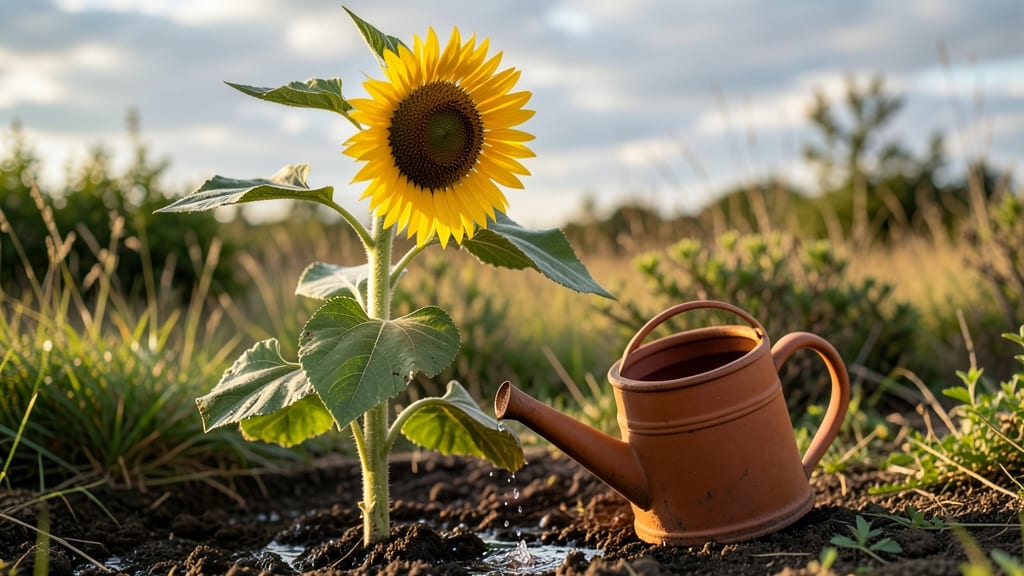
To grow tall, drought-resistant 🌻 sunflowers, you need how often do sunflowers need to be watered about once every 3-5 days—but that’s just the start of the story.
Sunflowers thrive on neglect—but only up to a point. Overwatering or underwatering can turn your towering giants into floppy disappointments. The key is deep, infrequent watering that encourages strong roots, not daily sips that keep the soil soggy.
This guide breaks down the exact watering schedule your sunflowers crave, from seedling to bloom, plus how to adjust for your climate, soil type, and whether they’re in pots or planted in the ground.
Skip the guesswork and learn how to keep your sunflowers happy, healthy, and drought-resistant—no wilting or yellowing in sight.
Sunflower watering schedule by growth stage: from sprout to bloom
Sunflowers are famously drought-tolerant, but their watering needs shift dramatically from seedling to mature plant. The key is understanding soil moisture targets for each stage—too much or too little water stresses your plants, leading to weak stems or stunted growth.
Let’s break down the exact schedule your sunflowers crave at every phase.
Newly sprouted sunflowers need consistent moisture to establish roots, while mature plants can handle weeks between waterings. The difference comes down to root depth and container vs. in-ground growing conditions. Below, we’ll compare their needs so you can adjust your watering routine with confidence.
| Growth Stage | In-Ground Watering | Container Watering | Soil Moisture Target | Signs of Stress |
|---|---|---|---|---|
| Seedlings (0-3 weeks) | Every 2-3 days | Daily (containers dry faster) | Top 1-2 inches moist | Wilting, yellowing leaves |
| Vegetative Growth (3-6 weeks) | Every 3-5 days | Every 2-3 days | Top 3-4 inches moist | Stunted growth, drooping |
| Flowering (6-10 weeks) | Every 5-7 days | Every 3-4 days | Top 6 inches moist | Bud rot, weak stems |
| Mature (10+ weeks) | Every 7-14 days | Every 5-7 days | Deep soil moisture | Premature wilting |
During the seedling stage, sunflowers need frequent watering to prevent their delicate roots from drying out. Aim to keep the top 1-2 inches of soil moist—this encourages strong root development. Overwatering here can cause fungal diseases, so always check soil moisture before watering again.
As sunflowers enter the vegetative growth stage (3-6 weeks), they develop deeper roots and can handle slightly less frequent watering. Here, focus on deep soaking every 3-5 days to encourage root penetration. Container-grown sunflowers will dry out faster, so monitor them closely during hot spells.
When buds form and flowers begin to bloom, your sunflowers enter the flowering stage. This is when they need balanced hydration—too much water weakens stems, while too little causes buds to drop.
Water deeply every 5-7 days, ensuring the top 6 inches of soil stay moist but not soggy.
Mature sunflowers are the most drought-tolerant, but they still need occasional deep watering. Once established, they can go 7-14 days without water, but extreme heat may require more frequent hydration. Always water at the base of the plant to avoid wetting leaves, which reduces fungal risks.
Watch for signs of overwatering, like yellowing leaves or moldy stems, and adjust your schedule. Underwatered sunflowers wilt dramatically but recover quickly with a deep drink. The key is consistency—stick to the schedule based on your sunflowers’ growth stage and container type.
Pro tip: Use a moisture meter or the "finger test" (insert your finger 2 inches deep) to check soil moisture. If it feels dry, it’s time to water. For container sunflowers, weigh the pot—if it feels light, it’s thirsty!
Remember, sunflowers are drought-resistant but not drought-proof. Adjust your watering based on climate, soil type, and container size to keep your giants thriving from sprout to bloom.
How to water sunflowers without drowning the roots: pro tips for drought resistance
Sunflowers are famously resilient, but their roots demand consistent moisture without soggy soil. The key lies in deep, infrequent watering that encourages strong root systems while preventing rot.
I’ve learned the hard way—overwatering leads to weak stems and fungal diseases, while underwatering causes buds to drop before blooming. Let’s fix that with science-backed techniques.
Start by checking soil moisture 1-2 inches below the surface—this is where roots thrive. Use your finger: if it feels dry, it’s time to water. For container-grown sunflowers, the soil dries out faster, so monitor daily in extreme heat.
In-ground plants, however, can often go 5-7 days between waterings once established.
⚠️ Warning: Sunflowers Hate Wet Feet
Watering too often or using shallow methods leads to root rot and stem collapse. The #1 mistake? Letting water pool around the base. Instead, aim for deep soaks 2-3 times per week in dry climates, reducing to once weekly in humid regions once mature.
For deep-watering success, use a soaker hose or drip irrigation placed at the plant’s base. Water until the soil is moist 6-8 inches down—this mimics natural rainfall and forces roots to grow deeper.
In arid climates, I’ve seen sunflowers thrive with mulch rings (3-4 inches of straw or wood chips) that lock in moisture and suppress weeds.
Adjust your schedule by climate and season: in humid summers, reduce frequency to prevent fungal issues, while drought conditions may require daily checks. Watch for yellowing leaves (overwatering) or drooping buds (underwatering)—both signal it’s time to recalibrate.
Pro tip: water in the early morning to minimize evaporation and disease risk.
Mulching isn’t just for looks—it’s a game-changer for drought resistance. Organic mulch like straw or shredded leaves keeps soil cool and retains 30% more moisture than bare earth.
I’ve reduced my watering by 40% in summer simply by adding mulch after planting. Just keep it 2-3 inches away from the stem to prevent rot.
Finally, container sunflowers need extra care: their roots have no reserves like in-ground plants. Use well-draining pots with 1-2 inches of gravel at the bottom, and water every 2-3 days in summer.
If the soil feels dry at the surface, it’s time—don’t wait for wilting! With these tweaks, your sunflowers will grow taller, stronger, and more drought-proof than ever.