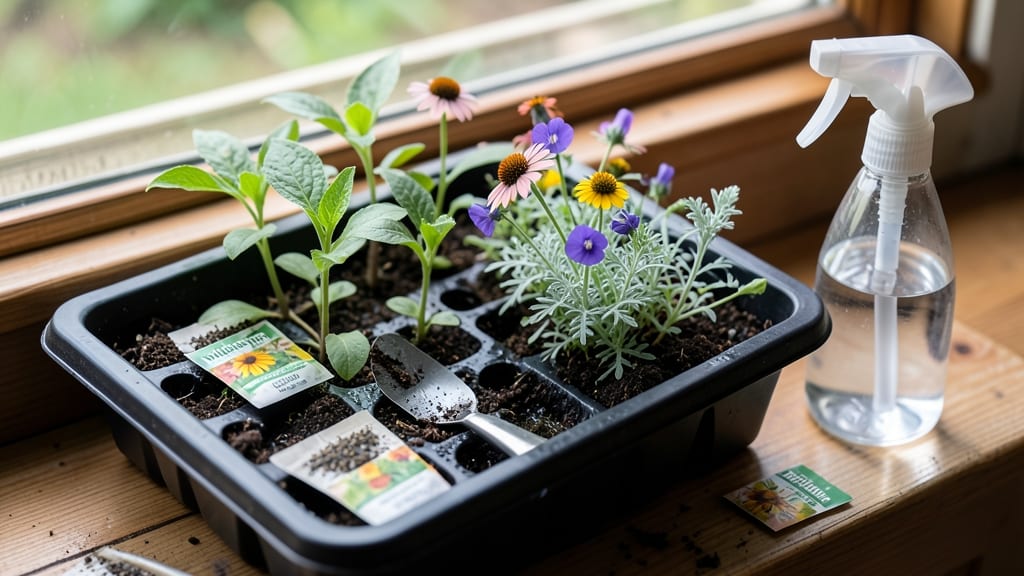
Germinating wildflowers takes the right germination time, anywhere from 5 days to 3 months, depending on the species and your climate — and getting it right means the difference between a fast, vibrant meadow and months of waiting for blooms.
Picture this: you scatter seeds in early spring, only to see nothing for weeks, while your neighbor’s garden bursts into color. The secret isn’t luck — it’s knowing the exact germination windows for each type of wildflower 🌼 and adjusting your timing accordingly.
Some varieties, like cosmos and zinnias, pop up in as little as 7-14 days with the right conditions, while others, like milkweed or black-eyed Susans, can take 30-90 days to break the soil.
Below, I’ll break down the fastest and slowest germinators, plus the simple tricks to speed up the process.
You’ll learn how to prep your soil, when to plant for your zone, and the one mistake that kills germination faster than drought.
By the end, you’ll know exactly when to expect those first green shoots — and how to turn your garden into a blooming paradise without the guesswork.
Wildflower germination time chart: fastest to slowest species
Timing your wildflower plantings can feel like guessing—some seeds sprout in less than two weeks, while others need months to break dormancy. Understanding these germination windows helps you plan for seasonal blooms and avoid disappointment.
Fast germinators like cosmos and zinnia reward patience with quick results, while milkweed and black-eyed Susan require more time and the right conditions. Let’s break down the exact germination periods for 20+ popular wildflowers so you can schedule your plantings like a pro.
Knowing these germination timelines also helps you decide whether to start seeds indoors or sow directly in the garden. For example, California poppies and lupines germinate quickly in cool soil, making them perfect for early spring sowing, while sunflowers and coneflowers prefer warmer temperatures.
Below, you’ll find a ranked list of wildflowers from fastest to slowest germination, along with seasonal planting tips to maximize your success.
| Wildflower |
Germination Time |
Best Planting Time |
Ideal Soil Temp (°F) |
Notes |
| Cosmos |
5–14 days |
Spring or fall |
60–75°F |
Fastest germinator; thrives in heat |
| Zinnia |
7–14 days |
After last frost |
70–80°F |
Needs consistent moisture |
| California Poppy |
7–21 days |
Early spring or fall |
50–65°F |
Self-seeds easily; drought-tolerant |
| Lupine |
10–21 days |
Fall or early spring |
55–70°F |
Fixes nitrogen in soil |
| Sunflower |
7–14 days |
Spring or summer |
70–85°F |
Large seeds; easy to handle |
| Black-Eyed Susan |
14–30 days |
Spring or fall |
60–75°F |
Drought-resistant once established |
| Coneflower |
14–28 days |
Spring or early fall |
65–75°F |
Attracts pollinators; long blooming |
| Milkweed |
30–60 days |
Early spring |
50–65°F |
Host plant for monarchs; slow to germinate |
| Goldenrod |
How to speed up wildflower germination naturally (without chemicals)
Waiting months for wildflowers to sprout can feel like an eternity, especially when you're eager to see vibrant blooms. The good news? You can cut germination time by 30-50% using simple, chemical-free techniques that mimic nature's conditions.
These methods work by breaking seed dormancy and creating ideal conditions for faster root development.
Wildflower seeds often have tough outer shells or require specific environmental cues to germinate. By replicating these natural triggers—like temperature fluctuations or moisture cycles—you can encourage seeds to sprout in half the usual time. Let's explore four proven strategies that work for both fast and slow-germinating species.
-
1
Scarification - Lightly nick or sand hard seed coats to mimic natural wear and tear. Use fine-grit sandpaper or a knife for 10-20 seeds at a time. Best for poppies, milkweed, and black-eyed Susans.
-
2
Cold Stratification - Place seeds in a damp paper towel in a sealed bag and refrigerate for 2-4 weeks. This mimics winter conditions for native prairie seeds and wild bergamot. Move to warm location after stratification.
-
3
Moisture Pulsing - Water soil until saturated, then let dry completely before rewetting. Repeat every 3-5 days for cosmos and zinnias. This prevents rot while maintaining germination triggers.
-
4
Light Exposure Trick - Cover trays with clear plastic wrap for 24-48 hours to create a mini greenhouse effect. Remove after sprouts appear to prevent mold. Works best for sunflowers and marigolds.
For fastest results, combine two methods—like scarification followed by cold stratification—for seeds that need both physical and temperature triggers. Always plant in well-draining soil with 50-70% sunlight exposure after germination begins to maintain momentum.
Remember that timing matters—plant treated seeds in early spring or late summer when soil temperatures are 50-70°F. This temperature range aligns with most wildflower germination needs and gives seedlings a head start before extreme heat or cold arrives.
With these natural techniques, you'll see visible sprouts in as little as 7-14 days for many species, compared to the standard 30-90 day wait. The key is patience combined with precise environmental control—just like nature intended!
★★★★★4.6(2 reviews)