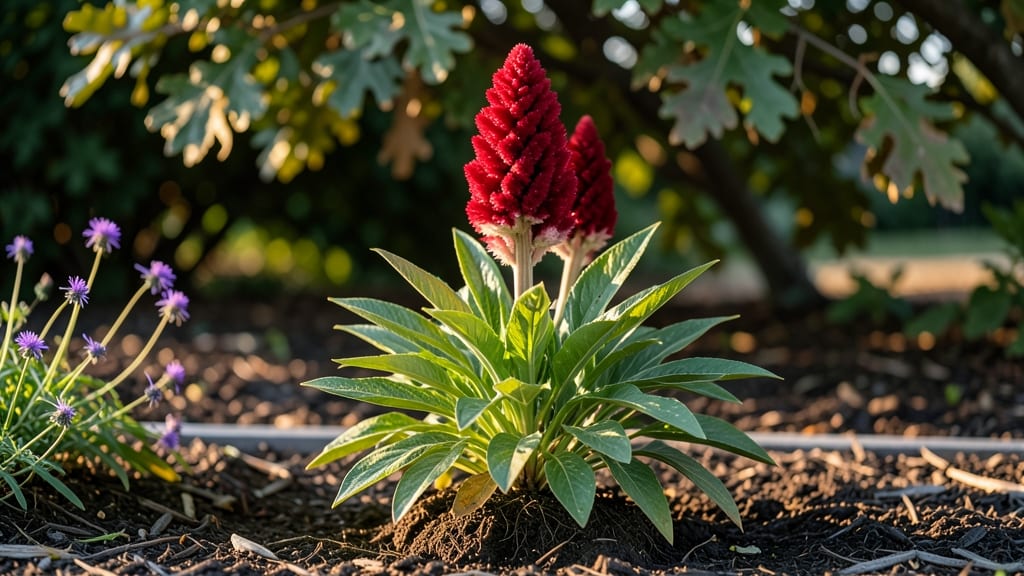
Understanding celosia flower height can turn your garden from a crowded mess into a showstopper—whether you’re dreaming of fiery plumes reaching for the sky or compact bursts of color in containers.
If you love bold, fiery blooms but struggle with limited garden space—or crave dramatic vertical accents—you’re not alone. Celosias grow from tiny 6-inch mounds to towering 4-foot spikes, but the wrong variety in the wrong spot can leave you with leggy flops instead of the structured beauty you envisioned.
The key to controlling their height lies in choosing the right type—dwarf varieties like ‘Impala’ stay under 12 inches, while ‘Vintage Flame’ rockets past 3 feet—and giving them the right care. Light, soil, and even pruning can push a plant toward the sky or keep it neatly contained.
In this guide, you’ll discover how to pick the perfect celosia for your space, master the pruning tricks to shape their growth, and avoid the common mistakes that turn your 🌸 into a floppy disaster. Let’s get started.
Celosia Height Range
0.0.5 ftto3 ft
0 ft
3 ft
6 ft
9 ft
12 ft
🌱
Medium Flower
Celosia flower height guide: compact vs tall varieties compared
If you're choosing celosia flowers for your garden, their height variations can make or break your layout. Some varieties stay under 12 inches, perfect for window boxes, while others shoot up to 4 feet, creating stunning vertical drama.
The key is matching each celosia type to your space—whether that's a container garden or a bold backdrop plant.
Celosias fall into three main height categories: dwarf (6-12 inches), semi-dwarf (12-24 inches), and tall (24+ inches). The difference often comes down to their growth habit—whether they're plumed (feathery spikes) or cockscomb (crinkled, brain-like blooms).
Let’s break down the most popular varieties and how to use them in your garden.
🌱 Pro Tip: Always check the seed packet for mature height—some "compact" varieties can still surprise you with 18-inch stems if given rich soil and full sun.
| Variety |
Height Range |
Growth Habit |
Best For |
Container? |
| 'Tom Thumb' Plumed |
6-10 inches |
Compact, bushy |
Window boxes, fairy gardens |
✅ Yes |
| 'New Look' Cockscomb |
12-18 inches |
Upright, velvety blooms |
Borders, mixed containers |
✅ Yes (large pots) |
| 'Impressa' Plumed |
18-24 inches |
Feathery, arching |
Cut flowers, cottage gardens |
⚠️ Needs support |
| 'Atomic Red' Spiderflower |
24-36 inches |
Tall, spiky plumes |
Backdrop, cut arrangements |
❌ No (ground plant) |
| 'Chocolate Soldier' Cockscomb |
15-20 inches |
Deep burgundy, velvety |
Dramatic focal points |
✅ Yes (large containers) |
| 'Merlot' Plumed |
30-36 inches |
Tall, feathery |
Tall borders, cut flowers |
❌ No (needs staking) |
| 'Golden Self' Cockscomb |
12-18 inches |
Golden-yellow blooms |
Sunny borders, containers |
✅ Yes |
| 'Flame' Plumed |
24-48 inches |
Tallest variety, fiery plumes |
Dramatic backdrops |
❌ No (needs trellis) |
How to control celosia height: pruning, staking & light secrets
Want to keep your celosia flowers compact and bushy or encourage them to reach towering heights? The secret lies in a mix of pruning techniques, strategic light exposure, and proper support.
Celosias respond dramatically to these adjustments, letting you shape them for containers, borders, or even dramatic vertical displays. The key is understanding when to pinch back leggy stems versus when to stake for support.
For compact growth, focus on early pinching and deadheading to redirect energy into bushier stems. Tall varieties, like Celosia cristata, often need staking or trellises to prevent flopping.
Even sunlight plays a role—too little causes etoliation (long, weak stems), while full sun promotes sturdy, upright growth. Let’s break down the exact steps to achieve your desired height.
Step-by-Step Guide to Celosia Height Control
-
1
Pinch Back Early – When seedlings reach 4-6 inches, pinch off the top set of leaves to encourage branching. Repeat every 2-3 weeks for bushier growth.
-
2
Deadhead Regularly – Remove spent blooms to prevent energy drain and encourage new flower production. Use clean pruners or pinch by hand.
-
3
Stake Tall Varieties – Insert bamboo stakes or tomato cages at planting. Tie stems loosely with soft garden twine to avoid damaging the plant.
-
4
Maximize Sunlight – Place in full sun (6+ hours/day). Shade causes leggy growth. Use reflective surfaces (like white mulch) to boost light in partial shade.
-
5
Space Properly – Dwarf varieties need 6-12 inches apart, while tall types require 18-24 inches to prevent overcrowding and competition for nutrients.
Light is non-negotiable for height control. Celosias grown in partial shade often stretch toward light, resulting in weak, floppy stems. If your garden lacks full sun, opt for dwarf varieties like 'Tom Thumb', which thrive in 4-6 hours of light.
For taller types, supplement with a grow light if indoor-growing.
Soil nutrients also influence height. Over-fertilizing with high-nitrogen feeds promotes leafy growth over flowers, while a balanced 10-10-10 fertilizer supports sturdy stems. Always water at the base to avoid wetting foliage, which can lead to fungal issues and further weaken the plant.
With these techniques, you’ll transform leggy celosias into compact powerhouses or towering statement pieces, all while keeping them healthy and vibrant. Experiment with spacing and support to find what works best for your garden’s layout—whether that’s a container garden or a sun-drenched border.
★★★★★4.7(15 reviews)