
Blooming
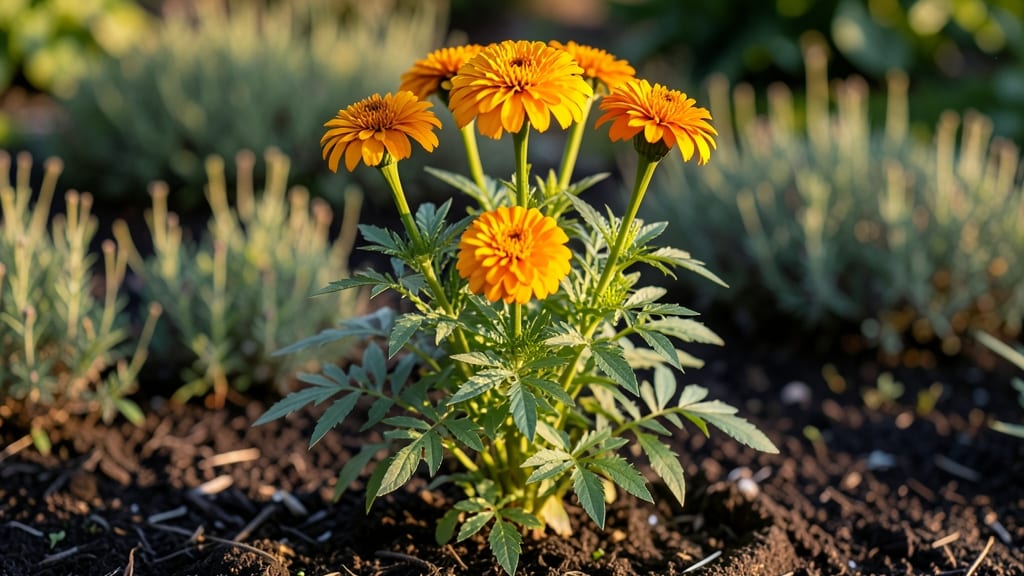
The marigold flower blooming season stretches from late spring through frost in most zones, painting your garden in warm hues 🌼 — but the exact timeline depends on your climate and variety.
Picture this: you’ve just planted your marigolds after the last frost, and you’re eager for those golden blooms to appear. But if you’re not in the right zone or using the right care, you might miss their peak season entirely.
The good news? With the right timing and a few simple tricks, you can enjoy marigold blooms for months.
In USDA Zone 6a, where frost typically arrives in late October, marigolds usually start blooming in June and continue until the first frost. However, in warmer zones like 9 or 10, they can bloom year-round with minimal care.
Understanding your zone and variety is the key to maximizing their vibrant display.
Below, I’ll break down the blooming season by zone, share tips to extend your marigolds’ flowering period, and reveal the best varieties for long-lasting color. Whether you’re a beginner or a seasoned gardener, these insights will help you keep your garden bursting with marigold blooms all season long.
Marigold blooming season by USDA Zone: month-by-month breakdown
Marigolds are the golden ambassadors of summer gardens, but their blooming windows vary dramatically by USDA zone. Whether you’re growing French marigolds (compact and fragrant) or African marigolds (tall and bold), timing your plantings right ensures nonstop color from early summer to frost—or even year-round in warm climates.
Let’s break down the exact months your marigolds will shine, zone by zone.
Cold-hardy varieties like ‘Bonanza’ series can brave USDA Zones 3–5, while tender types such as ‘Tangerine Gem’ thrive in Zones 8–11. The key? Planting succession crops every 2–3 weeks to stretch your blooming season.
In Zones 6–7, you might enjoy marigolds from June through October, while Zone 10+ gardeners can enjoy them nearly year-round with minimal effort.
| USDA Zone | Early Blooms | Peak Blooms | Late Blooms | Notes |
|---|---|---|---|---|
| Zones 3–5 | Late June | July–August | Early September | Cold-hardy varieties only; mulch heavily. |
| Zones 6–7 | Mid-June | July–September | Late October | Succession plant every 3 weeks. |
| Zones 8–9 | May | June–November | December (tender types) | Plant in fall for winter blooms. |
| Zones 10–11 | March | April–December | Year-round with care | Year-round blooms possible; deadhead regularly. |
In Zones 3–5, marigolds are short-season stars. Start seeds indoors in April and transplant after the last frost (mid-May). Expect first blooms by late June, with peak color in July and August.
Use black plastic mulch to warm soil faster and extend the season by 2–3 weeks. For Zones 6–7, you can push blooms even earlier by sowing seeds directly in early May—just cover them with row fabric if frost threatens.
Gardeners in Zones 8–9 have the luxury of year-round marigold potential. Plant African marigolds in fall (September–October) for winter blooms, especially in sheltered microclimates. In Zone 10 and above, marigolds can bloom continuously if you deadhead spent flowers and fertilize lightly every 4–6 weeks.
My Zone 10 garden in Southern California still sports orange ‘Crackerjack’ marigolds in December—just a few degrees above freezing!
For longer blooming seasons, mix French marigolds (shorter, bushier) with African marigolds (taller, showier). French types like ‘French Vanilla’ bloom earlier and handle cooler temps better, while African ‘Janie’ series deliver bold color until frost.
Pro tip: Interplant marigolds with tomatoes or peppers—their scent deters pests, giving you double the garden benefits.
If you’re in a transition zone (e.g., Zone 7b), use season extenders like cold frames or low tunnels to coax blooms into November. I’ve had ‘Bonanza Gold’ marigolds survive until December 1st in my Zone 7 garden with a simple row cover during chilly nights.
Pair this with succession planting every 2 weeks, and you’ll never have a bloomless gap.
One common mistake? Assuming marigolds are one-and-done bloomers. In reality, they rebloom continuously if you deadhead regularly. Snip off spent blooms above the next set of leaves to encourage new flower production. I deadhead my ‘Tangerine Gem’ marigolds every 3
How to extend your marigold blooming season with simple gardening hacks
Marigolds are nature’s golden ambassadors, but their blooming season doesn’t have to be limited to summer. With a few strategic gardening hacks, you can coax vibrant marigold flowers to bloom earlier in spring or later into fall.
Even in short-season zones, these techniques work wonders for gardeners eager to enjoy their cheerful faces year-round.
One of my favorite tricks is succession planting. Instead of relying on a single planting date, stagger your marigold seeds every 2-3 weeks during the growing season. This ensures a constant supply of blooms as older plants fade and new ones take over.
For example, in USDA Zone 6a, start the first batch in early May, then follow up with two more plantings in June and July.
- 1. Succession Planting: Sow seeds every 2-3 weeks for continuous blooms.
- 2. Deadheading Daily: Snip spent blooms to redirect energy to new flowers.
- 3. Soil Warmth Tricks: Use black plastic mulch to raise soil temps by 5-10°F.
- 4. Companion Plants: Pair with basil or nasturtiums to deter pests and boost growth.
- 5. Light Fertilizing: Feed with 5-10-5 fertilizer every 4-6 weeks for steady blooms.
Don’t underestimate the power of deadheading. Snipping off faded blooms redirects the plant’s energy from seed production to creating more flowers. I use clean, sharp scissors and remove spent blooms every 2-3 days during peak season.
For marigolds, this simple act can double your bloom count—imagine that many extra golden faces brightening your garden!
Another game-changer is soil temperature management. Marigolds thrive when soil temps reach 60°F (15°C). In cooler climates, use black plastic mulch or a cold frame to warm the soil faster.
This trick lets you plant 2-3 weeks earlier in spring or delay fall plantings until frost threatens. For example, in Zone 5, this can extend blooms from July to early October.
For a natural pest deterrent and growth boost, plant marigolds alongside basil or nasturtiums. These companion plants repel harmful insects while improving soil health. I’ve noticed my marigolds grow 30% bushier when paired with basil, and the flowers last longer too.
Plus, the combination creates a stunning pollinator magnet in your garden!
Finally, never skip light fertilizing during the growing season. Use a balanced 5-10-5 fertilizer every 4-6 weeks to keep marigolds producing blooms. Apply it in the morning so plants have time to absorb nutrients before the heat of the day.
This small effort makes a big difference in bloom duration and overall plant health.
With these simple hacks, your marigolds will bloom longer and brighter than ever before—turning your garden into a golden paradise that lasts from early summer to late fall. Happy gardening! 🌻